BetterHelp “Fragment” Healthcare Ad Campaign Lessons for Marketers
Mental Health Advertising Campaign
Important Production Lessons
Director
Kess Broekman-Dattner
Year
2018
Director
Kess Broekman-Dattner
Year
2018
Type
Commercial, Social, CTV
Industry
Healthcare
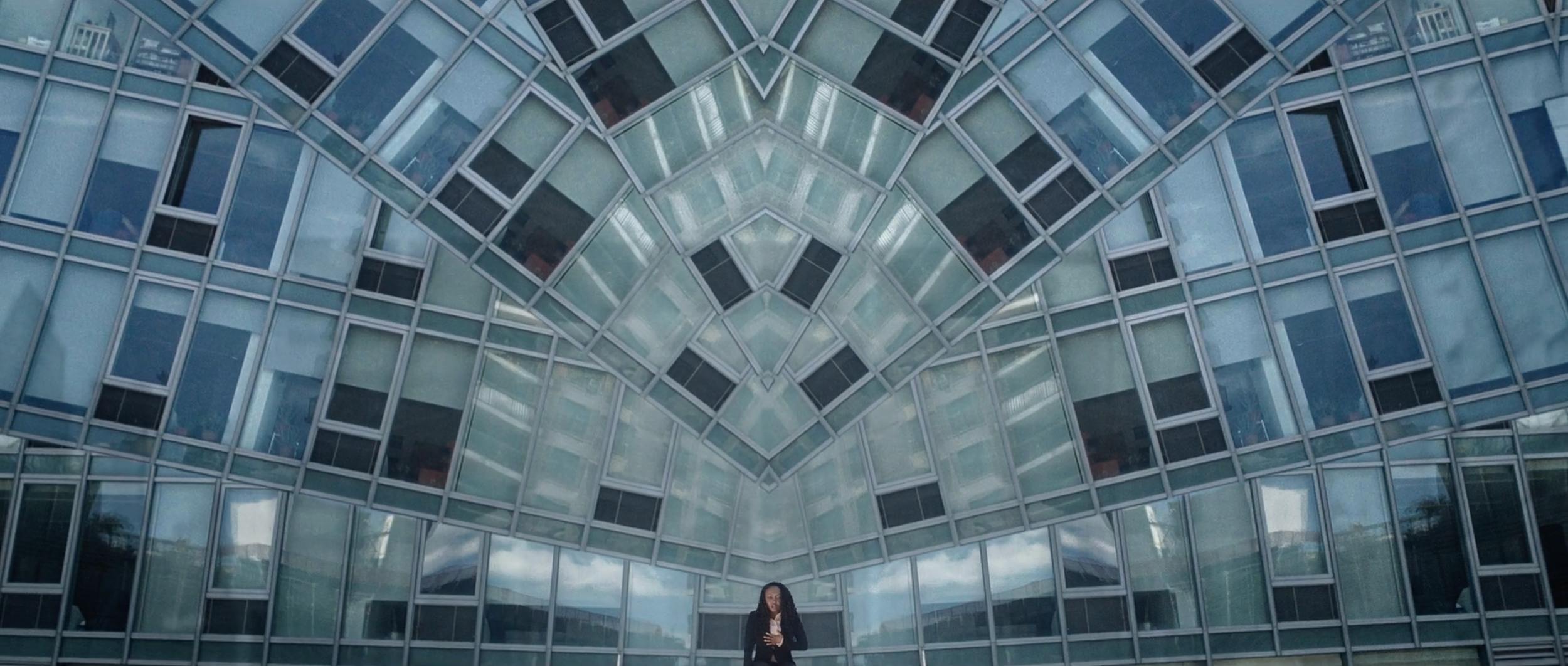
Director creates fractured visuals to show what anxiety feels like
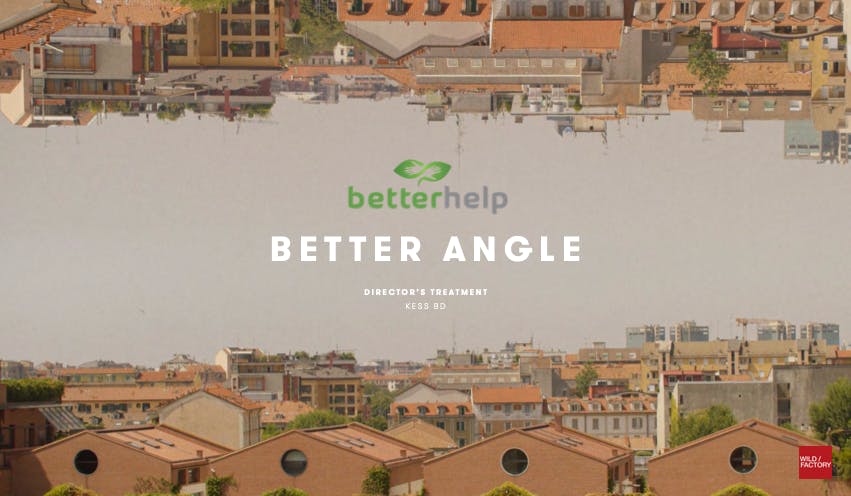
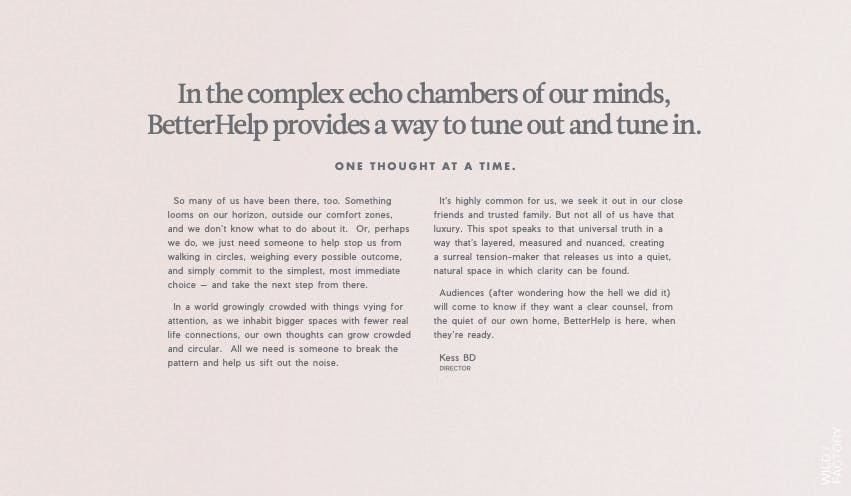
BetterHelp’s double-edged campaign, developed with Wild/Factory and directed by Kess BD, turns emotional overwhelm into a visual language of duplication, collapse, and eventual clarity. In two companion films, “Fragment” and “Better Angle”, the brand uses ambitious production design and cinematic VFX to dramatize the way overthinking can trap people in spiraling thought patterns and how BetterHelp offers a way out.
Created with the craft and perspective of a NYC video production agency, the result is a premium, concept-driven mental health campaign that feels as much like a short film as a commercial. It is built to resonate with viewers who know the experience of feeling stuck in their own heads, while still giving BetterHelp a clear, approachable role as the service that helps restore perspective.
Ad Campaign Concept
The campaign revolves around a simple but powerful insight: When people are overwhelmed, they often do not experience anxiety as a label. They experience it as a world that has gone out of alignment. Wild/Factory and Kess BD translate that internal state into visual form through impossible camera movement, duplicated characters, and environments that seem to fold in on themselves.
“Fragment” and “Better Angle” work as two expressions of the same emotional problem. One visualizes indecision as a looping, crowded mental state, while the other shows emotional overwhelm as a world that becomes physically disorienting. Together, they position BetterHelp not as a product pitch, but as a steadying force that helps people regain clarity from home.
Why the creative stands out
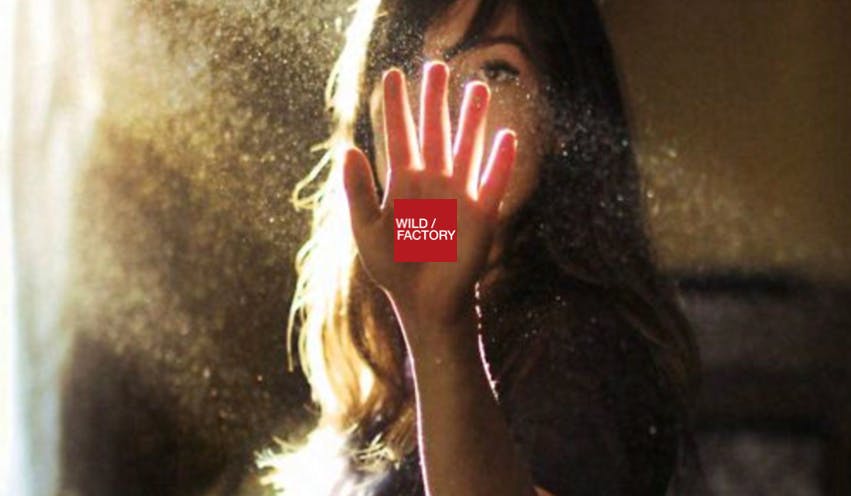
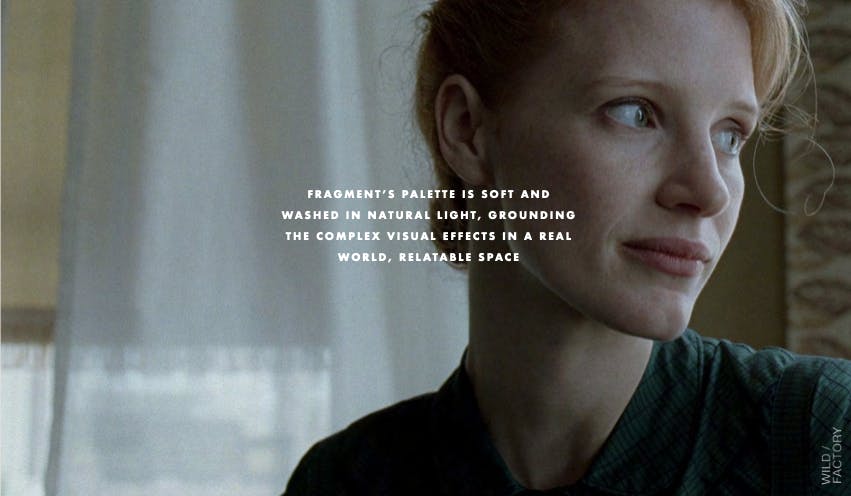
In pharma and mental health advertising, the hardest challenge is often making invisible feelings feel tangible without becoming melodramatic. This campaign gets there by using visual metaphor with restraint. The palette stays soft and natural, keeping the effects grounded in a believable everyday setting rather than pushing the work into fantasy.
That choice matters. The duplication, parallax, and motion-control effects are striking, but they never overwhelm the emotional core of the story. The visuals exist to support the feeling of being stuck, not to distract from it. That gives the campaign a rare balance of artistry and relatability.
“Fragment”: the mind in a loop
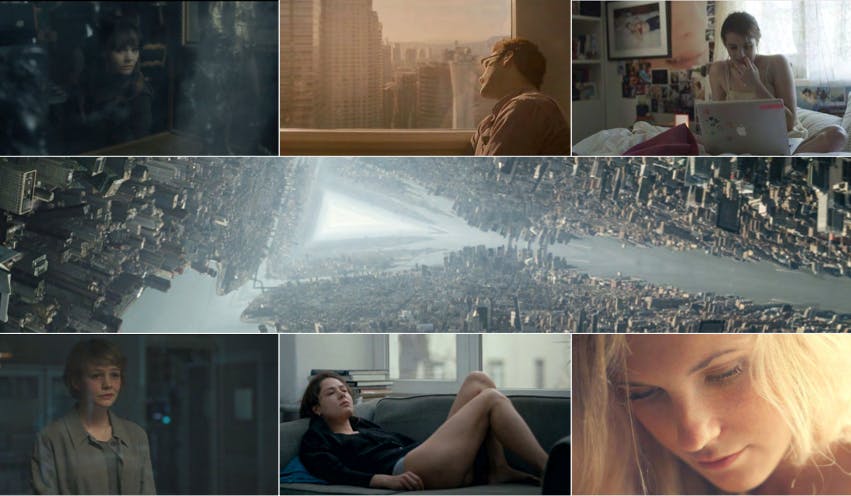
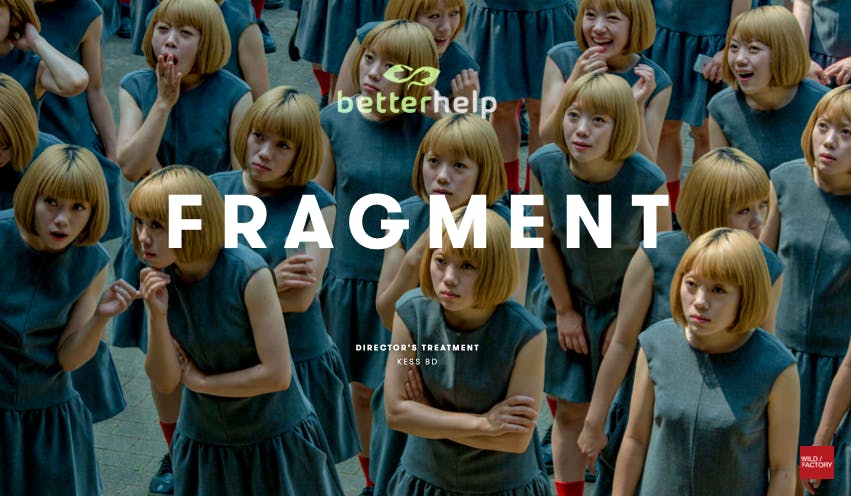
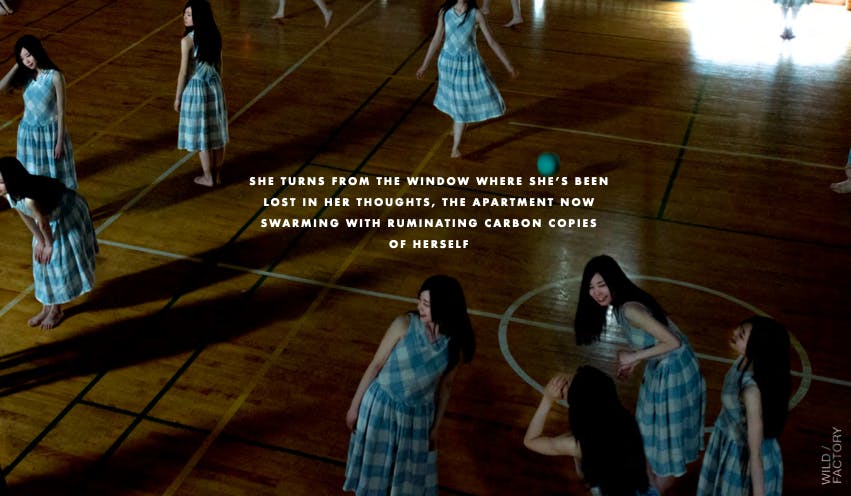
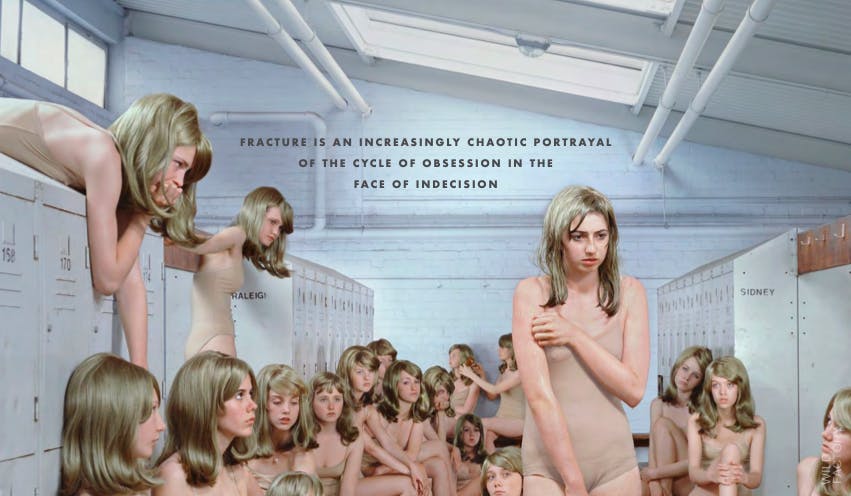
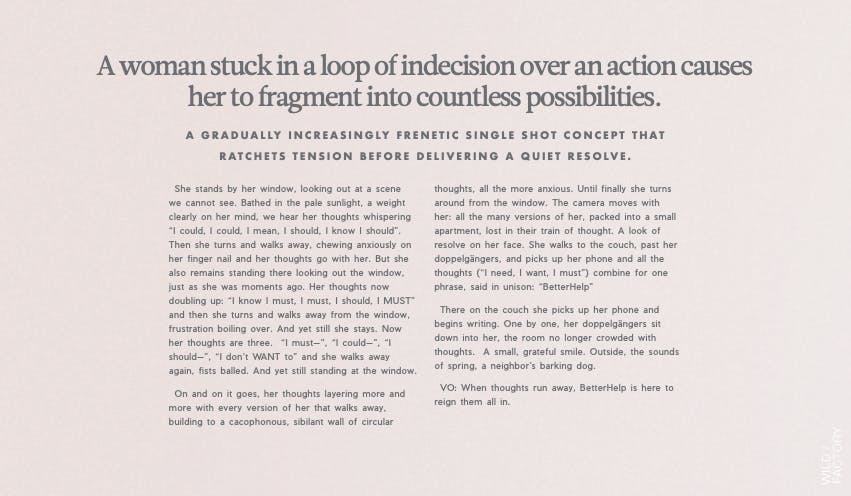
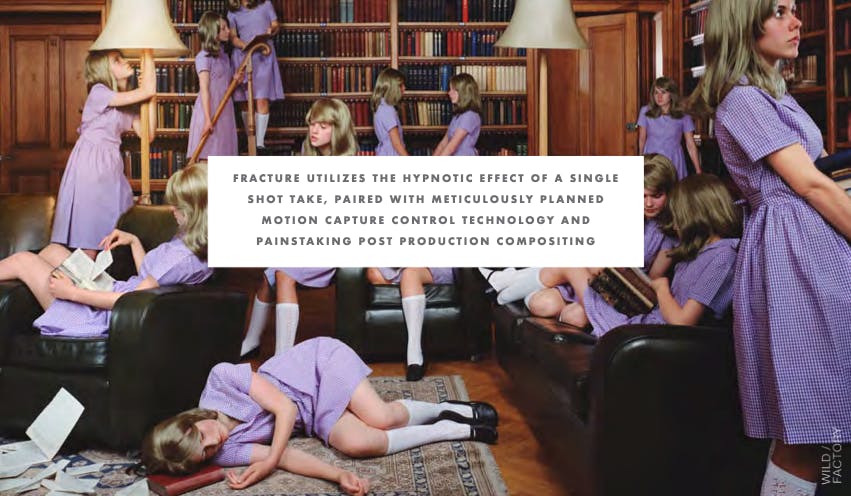
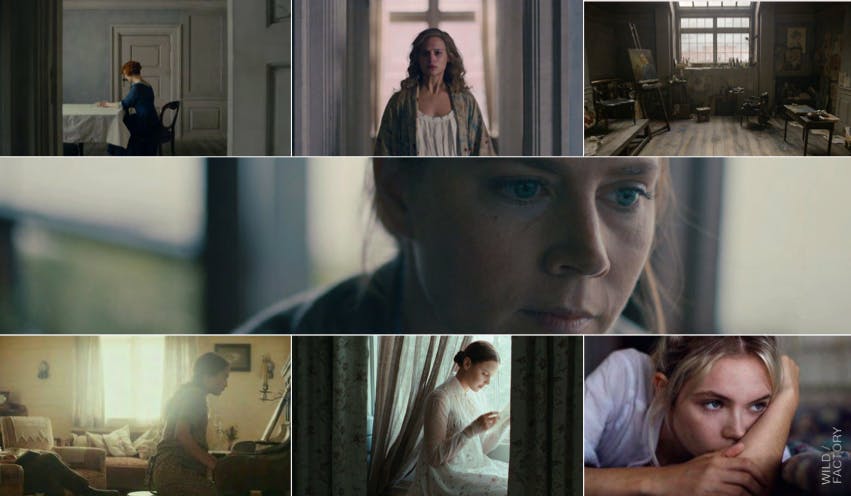
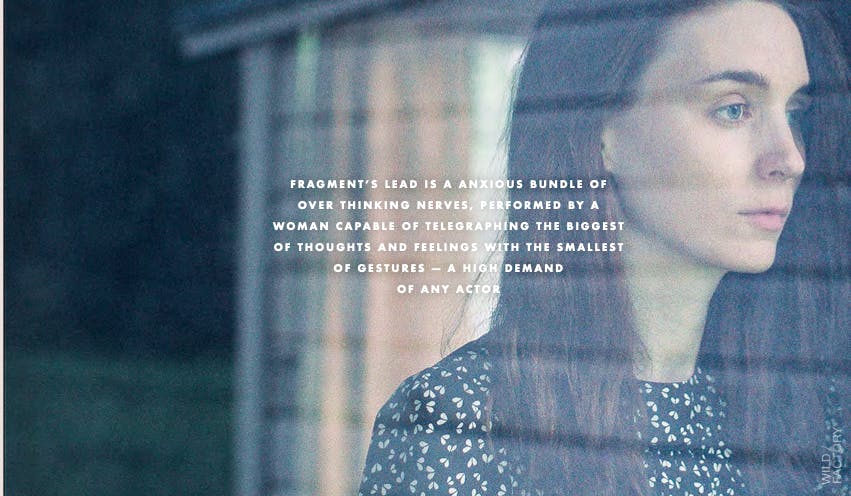
“Fragment” portrays a woman trapped in a circular cycle of overthinking. She stands by a window, caught in a mental standoff as one thought leads to another and another. Instead of cutting away from that tension, the film builds it visually: she begins to fragment into multiple versions of herself, each one embodying a different possible decision or internal voice.
The effect is claustrophobic and emotionally precise. As the apartment fills with doppelgängers, the audience sees indecision become spatial and physical. The single-shot approach heightens the pressure, making the viewer feel as if there is no escape from the thought loop—until the protagonist chooses to act, picks up her phone, and says “BetterHelp.” At that moment, the copies merge back into one, and the room returns to silence and calm.
“Better Angle”: the world folding inward
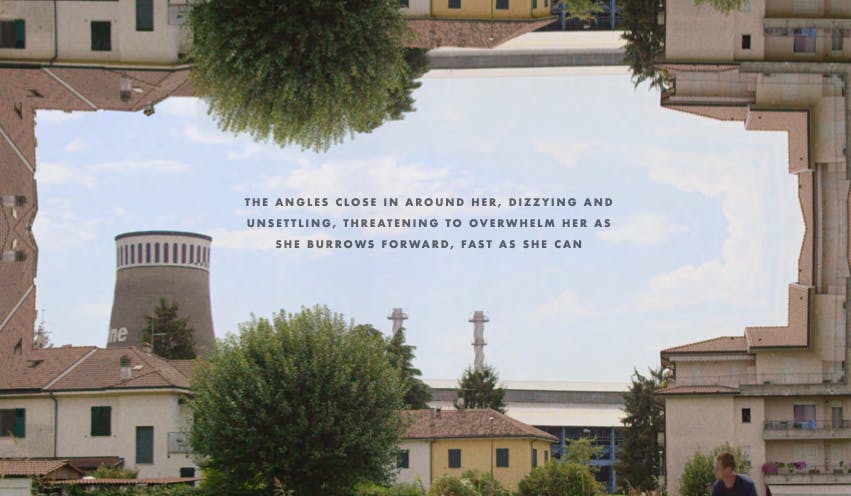
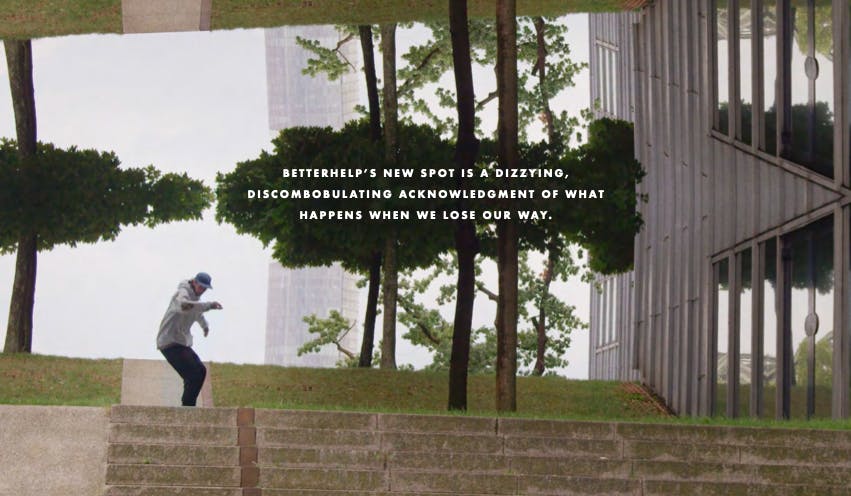
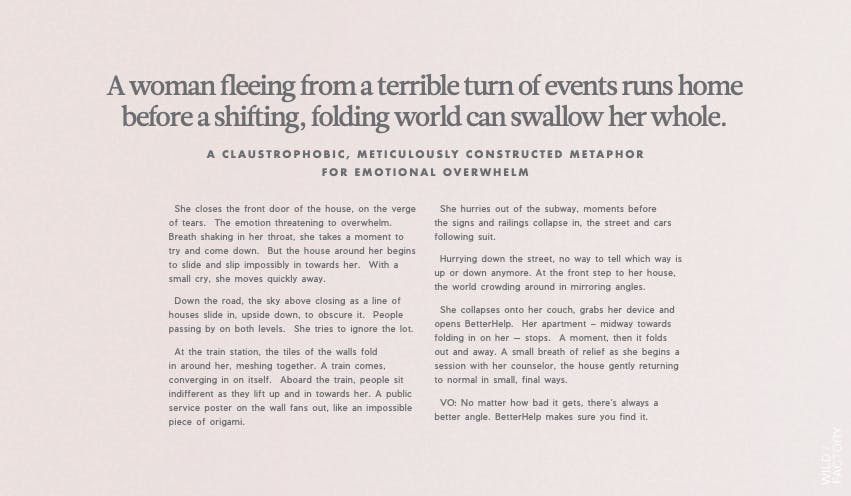
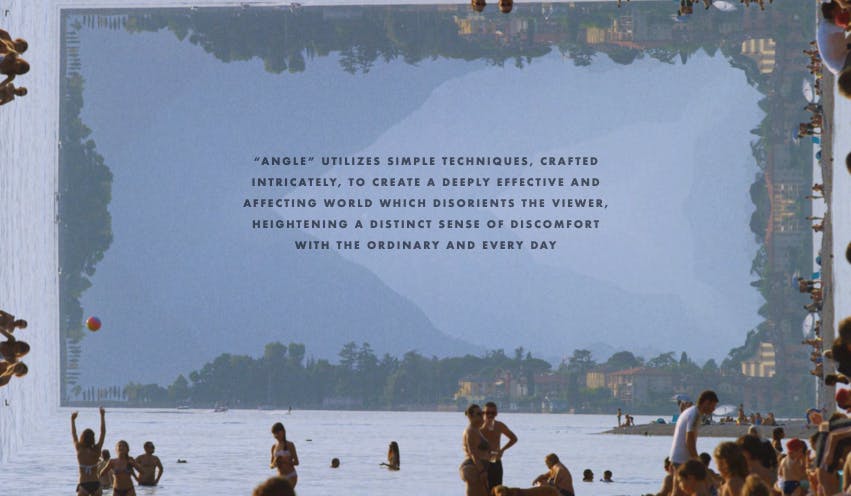
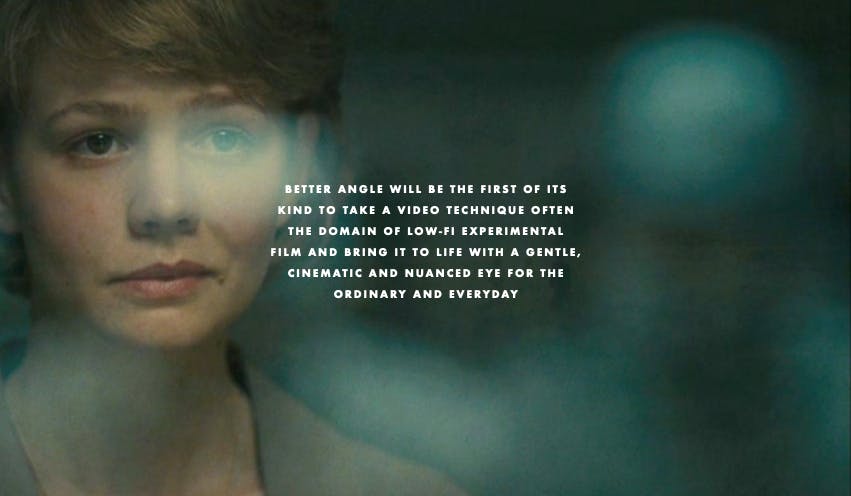
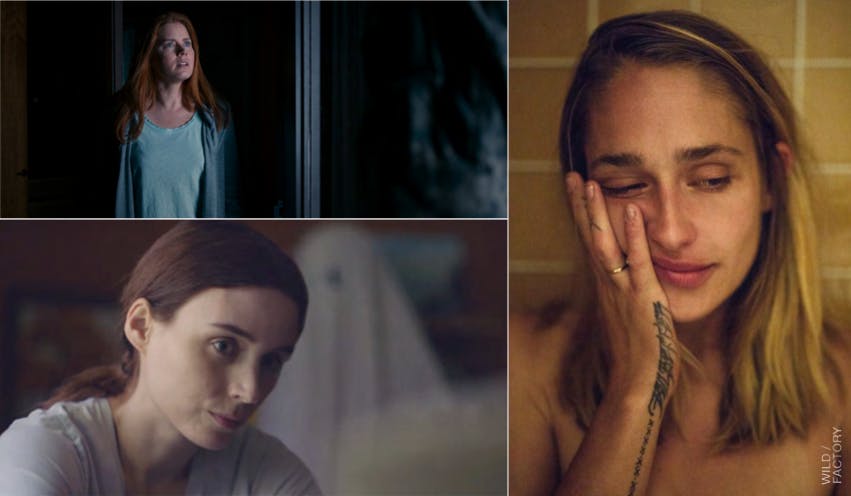
If “Fragment” is about inner repetition, “Better Angle” is about distortion. The second film presents a woman whose environment literally shifts and folds around her, creating a disorienting experience that mirrors emotional overload. The world becomes hostile not because it changes in a literal sense, but because her perspective does.
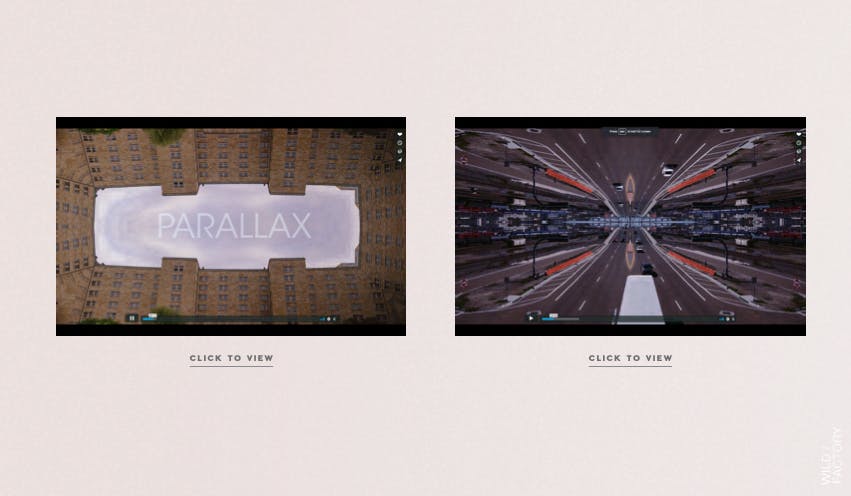
The film leans on parallax-driven effects and an “impossible” visual architecture to create that off-kilter feeling. As the character moves through her day, the environment refuses to stay still, making ordinary spaces feel unstable and oppressive. When she finally returns home, overwhelmed and close to tears, BetterHelp appears as the moment of reset: she opens the app, begins a counseling session, and the collapsing world stops moving.
The visual language
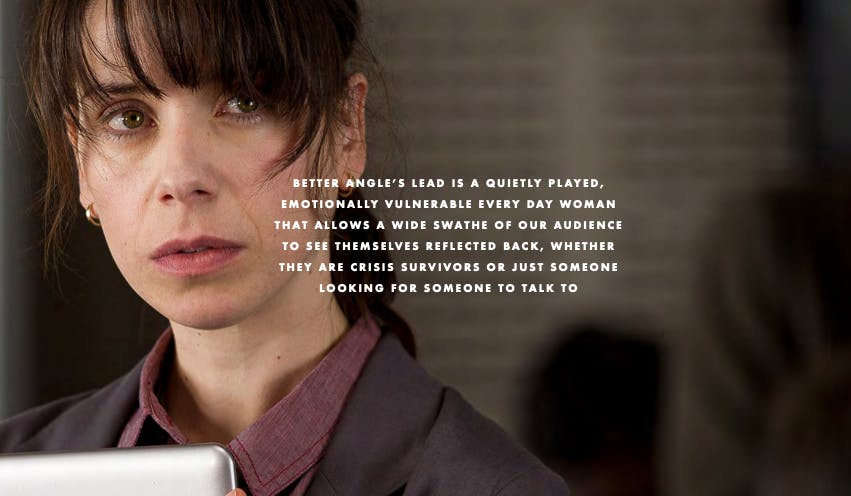
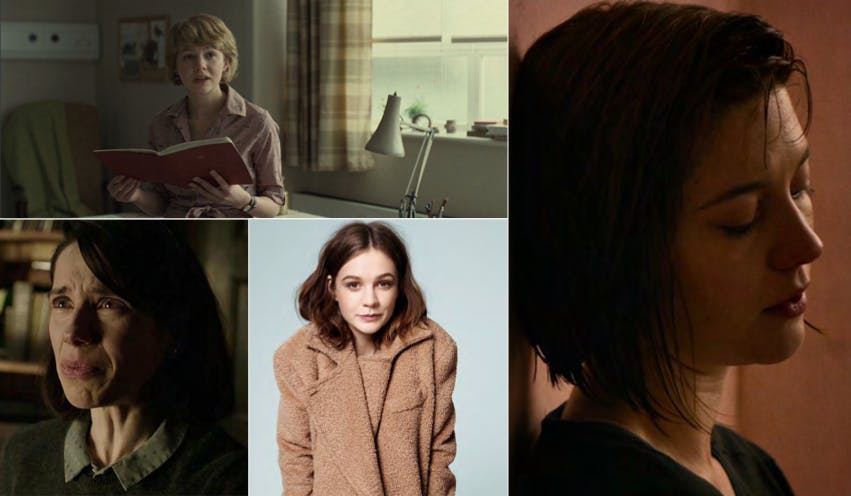
Both films rely on an elegant tension between realism and surrealism. The lead characters are everyday women, emotionally vulnerable but not exaggerated into archetypes. That makes the campaign accessible to a broad audience: viewers can imagine themselves in these moments whether they are facing a major crisis or simply feeling off balance and needing someone to talk to.
The design choices support that emotional truth. Soft, natural colors keep the spaces recognizable. Motion-control photography and compositing create the impossible visual effects. The result is a campaign that feels cinematic without losing the intimacy required for a mental health brand.
The production challenge
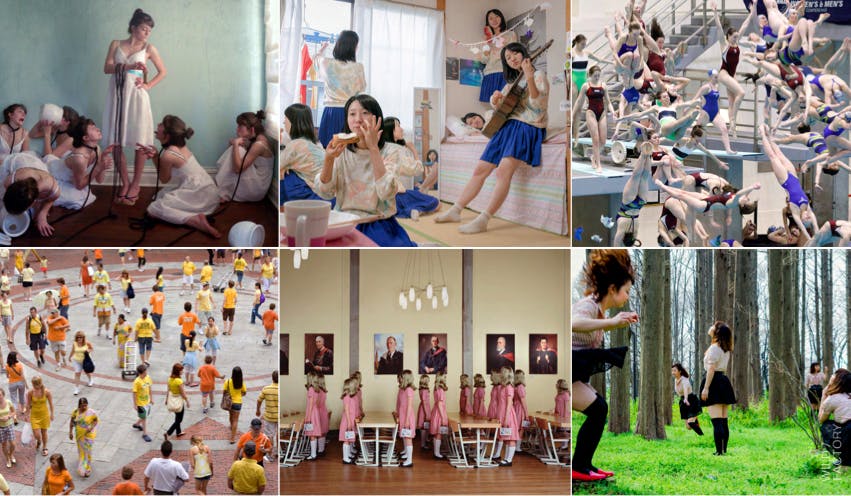
This is the kind of campaign where creative ambition depends on technical precision. A multiple-pass single-shot setup requires exact blocking, camera repeatability, and meticulous post-production compositing. The work has to feel fluid and emotionally seamless even though the mechanics behind it are highly complex.
That is where Wild/Factory’s production value becomes central to the story. A full-service video production company like Wild/Factory can bridge the gap between concept and execution, coordinating the planning, shoot strategy, and post workflow needed to make a concept of this scale believable. For a brand like BetterHelp, that means the emotional idea is not watered down in production it is enhanced by it.
Why the director mattered
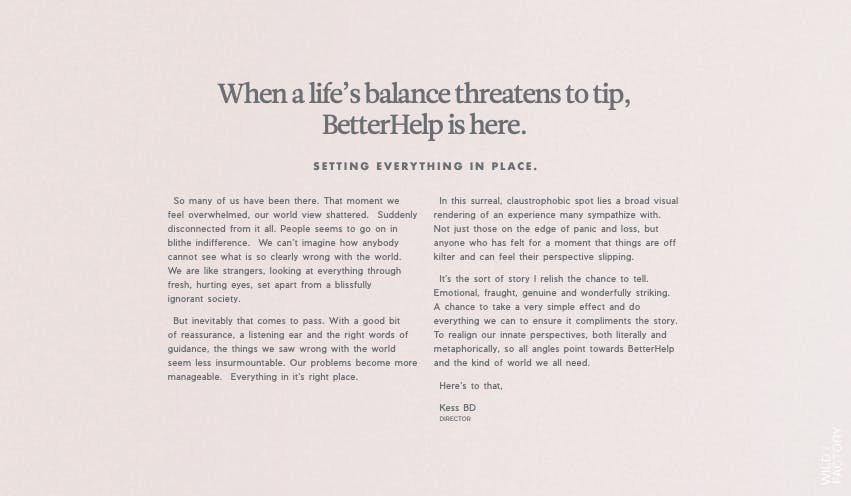
Kess BD’s role is critical because this concept only works if the director understands both the emotional psychology and the visual grammar. The campaign demands someone who can stage anxiety as a lived experience, not a gimmick. Kess BD’s treatment suggests a director with a strong sense of mood, composition, and narrative rhythm, which is exactly what a project like this needs.
The director’s perspective also helps keep the film from becoming overly conceptual. By focusing on a relatable protagonist and a soft, grounded aesthetic, the films remain human even when the visuals become experimental. That is a difficult balance to strike, and it is one of the reasons the campaign feels memorable rather than merely clever.
BetterHelp’s brand role
BetterHelp is positioned here as a resource for people who need perspective before they can move forward. The campaign does not overstate therapy as a cure-all; instead, it shows counseling as the act that interrupts spiraling thought patterns and helps a person find a better angle on their situation.
That positioning is smart for brand storytelling because it frames therapy as practical, accessible, and immediate. The person does not need to “fix everything” before seeking help. They only need to recognize that their perspective feels off and that support can help realign it.
Why creating this ad campaign mattered
This campaign mattered because it treated therapy as a real-time intervention rather than a last resort. BetterHelp was positioned as the thing that helps people regain clarity when they feel stuck, not as a distant or overly formal solution. That is a meaningful distinction in a category where many brands still rely on generic reassurance instead of specific emotional truth.
It also mattered because it gave mental health advertising a more elevated visual language. Too many campaigns in this space rely on talking heads, soft-focus empathy, or overly literal metaphors. “Fragment” and “Better Angle” instead used strong craft camera movement, compositing, performance, and spatial distortion to create a premium filmic experience that still felt accessible.
Creative approach
The creative approach was built around one central idea: emotional overwhelm is not just a feeling, it is a distortion of reality. That insight gave the campaign its visual strategy, from multiple versions of the protagonist in “Fragment” to the impossible folding environment in “Better Angle.”
The softness of the palette was essential. It kept the films from feeling aggressive or overly surreal, which would have undermined the relatability of the story. Instead, the work stayed close to the texture of ordinary life, making the more experimental moments feel like heightened versions of recognizable emotional states.
The writing also did important work. The scripts never over-explained the problem or the solution. Instead, they let the visuals carry the emotional weight and used the final BetterHelp moment as a calm resolution. That restraint made the campaign feel confident and respectful of the audience.
Video production methodology
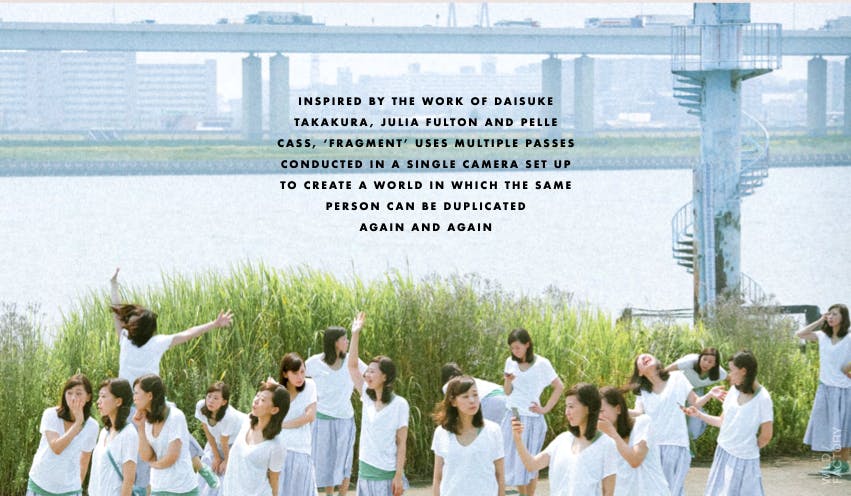
These spots clearly required a highly controlled production process. The single-shot structure in “Fragment” meant that timing, camera motion, and actor choreography all had to be locked with precision. Even one misstep would have broken the illusion of duplicated selves and undercut the tension of the scene.
“Better Angle” likely demanded an equally careful blend of practical staging and post-production compositing. Parallax effects and folding environments only work when the production design, camera blocking, and visual effects pipeline are planned together from the start. That kind of methodology is only possible when the director, production company, and post team are aligned early.
Wild/Factory’s role as a full-service production partner was crucial here. A campaign like this benefits from a team that can manage concept development, execution planning, on-set logistics, and finishing under one roof. That reduces friction and keeps the creative intention intact from pitch through final delivery.
Why the methodology worked
The methodology worked because it supported the emotional idea instead of showing off technique for its own sake. The visual effects never felt decorative; they always served the experience of mental strain and relief. That’s the difference between a conceptually interesting ad and a campaign that actually resonates.
It also allowed the team to keep the work feeling premium. The controlled camera language, soft lighting, and careful compositing gave the campaign a polished finish that elevated BetterHelp beyond the generic expectations of digital health advertising. In a crowded category, that level of craft can be a major differentiator.
Media placement strategy
The media strategy for a campaign like this would naturally favor platforms where visual storytelling performs well and where audiences are open to emotionally resonant, shorter-format video. That means TV, CTV, YouTube, paid social, and potentially high-impact digital placements where the visual hook can land immediately.
The campaign’s structure is especially useful for media fragmentation because it can be broken into modular units. “Fragment” and “Better Angle” each have distinct visual ideas, which makes them adaptable for different placements, audience segments, and retargeting sequences. One version can introduce the emotional problem, while another can reinforce the solution.
That modularity is important because BetterHelp does not just need reach; it needs repetition with variation. Mental health services often require more than a single ad touchpoint to build trust. Having two visually distinct but thematically linked films helps the brand stay top-of-mind without feeling repetitive.
What advertisers and brands can learn
The biggest lesson for advertisers is that emotional services need emotional proof, not just brand promise. BetterHelp’s campaign shows how to turn an invisible problem into a visually memorable story that makes the solution feel real.
It also shows the value of pairing bold creative with disciplined execution. The campaign’s ambition only works because the production methodology is so precise. For brands operating in sensitive categories, that combination artistry plus control is often the difference between a clever idea and a campaign that earns attention and trust.
Why independent hybrid partners outperform traditional agencies
For brands that need to move fast, tell sharper stories, and get premium creative into market without endless layers of bureaucracy, an independent hybrid creative agency and production company offers a serious strategic advantage. A company like Wild / Factory combines creative strategy, concept development, commercial production, branded content, post-production, and campaign execution under one roof, which means fewer handoffs, fewer bottlenecks, and far more control over the final output.
That matters because modern marketing is no longer just about making one beautiful ad. It’s about building a full-funnel content ecosystem that can power paid social, CTV, digital video, launch campaigns, performance marketing, employer branding, and always-on brand storytelling. A hybrid partner is built for that reality.
The agency model is often too slow for modern growth
Traditional agencies can be excellent at big-picture brand thinking, but they often come with layers of account management, external production dependencies, and long approval chains that slow down decision-making. For founders and growth teams, that can be a problem. When you’re trying to hit a product launch window, capitalize on a cultural moment, or A/B test creative across channels, speed is not a luxury it’s a growth lever.
Wild / Factory’s model is built for agility, speed to market, and creative responsiveness. Instead of separating the people who think up the idea from the people who execute it, the hybrid model keeps strategy and production tightly connected. That gives brands a cleaner path from brief to storyboard to shoot to final asset delivery.
Why founders love direct access
Founders tend to want the same things: speed, clarity, taste, and ROI. They do not want to get trapped in endless rounds of agency decks that never quite make it to production. They want a partner who can translate the vision into a campaign that feels premium, ownable, and conversion-ready.
Working directly with a hybrid partner gives founders direct access to the people actually shaping the work: directors, producers, creatives, editors, and strategists. That direct line accelerates decision-making and often leads to better creative because the feedback loop is shorter and more honest. In startup land, where time, budget, and attention are finite, that is a major advantage.
One partner, end-to-end execution
A major benefit of a company like Wild / Factory is the ability to provide end-to-end production services and creative development in one integrated pipeline. That includes:
Brand and campaign strategy.
Concepting and scriptwriting.
Director treatment development.
Casting and talent management.
Location scouting and production design.
Live-action production.
Motion, VFX, and post-production.
Cutdowns, versioning, and platform-specific deliverables.
For CMOs and growth officers, this matters because it simplifies vendor management and improves continuity. The same partner who understands the strategy also understands the visuals, the performance needs, and the delivery requirements across channels. That results in stronger creative cohesion and better executional consistency.
Better creative, fewer compromises
One of the hidden weaknesses of the traditional agency-plus-bid-out-production model is fragmentation. The creative team may imagine one thing, the production vendor may interpret another, and the final campaign may land somewhere in the middle. That compromise can dilute the brand message.
With a hybrid creative production company, the idea and the execution are designed together from day one. That means the work is more likely to stay visually coherent, emotionally resonant, and production-efficient. It also means the creative can be built around what is actually feasible, which reduces risk during the shoot and protects quality in post.
Built for video-first marketing
Today’s brand environment is overwhelmingly video-first. Whether the goal is to drive awareness, build trust, or convert demand, brands need content that works across TV, CTV, YouTube, Meta, TikTok, LinkedIn, OTT, and paid digital. That requires more than just “making a commercial.” It requires a content system.
Hybrid companies like Wild / Factory are especially strong here because they are built to create hero spots, modular assets, cutdowns, social-first edits, and platform-native versions that all work from a single creative idea. That makes them ideal for performance-minded brands that need premium creative and high-volume asset production at the same time.
Why this matters for CMOs
CMOs are under pressure to do more with less: more channels, more content, more accountability, and more speed. A traditional agency often adds cost and complexity at a moment when marketing leaders need flexibility and measurable impact. A hybrid partner can provide both strategic thinking and production muscle without forcing the brand to manage multiple agencies, studios, and vendors.
For CMOs, the value is not just creative quality. It’s operational efficiency, creative consistency, and campaign velocity. That makes the marketing engine more adaptable and helps teams respond faster to changing business needs.
Why this matters for growth officers
Growth leaders care about results, creative testing, and repeatable performance. They need partners who understand that creative is not just brand expression it’s an acquisition lever. A hybrid production company can support creative iteration, rapid testing, and asset optimization much more effectively than a slow, siloed agency workflow.
That matters especially in categories where paid media performance depends on fresh creative, strong hooks, and fast turnaround. When the same team can develop the concept, shoot the assets, and version them for different audiences, growth teams can move faster and learn faster.
SEO value of the hybrid model
From an SEO and digital content perspective, independent hybrid partners are especially valuable because they can help brands build campaigns that generate both search visibility and shareability. A strong video campaign can power organic discovery, brand recall, social engagement, and off-site distribution. When the creative is built with content architecture in mind, it can be repurposed into landing pages, YouTube content, blog embeds, PR moments, and always-on paid media assets.
That makes the partnership more than a creative choice. It becomes a content and growth strategy.
The Wild / Factory advantage
Wild / Factory is especially compelling because it sits at the intersection of independent creative agency thinking and premium production capability. That combination is ideal for brands that want work with taste, agility, and real-world executional strength. It is also a strong fit for founders and marketers who value direct collaboration, speed, and high production value without the overhead of a traditional agency structure.
In practical terms, that means:
Faster approvals.
Clearer communication.
More flexible creative development.
Better alignment between concept and output.
Stronger campaign scalability across platforms.
Why brands are shifting away from the old model
More brands are realizing that the old agency model often creates more process than progress. They want partners who can think strategically, produce efficiently, and deliver high-quality creative without overcomplicating the workflow. Independent hybrid agencies answer that need by offering a leaner, more integrated model that fits how modern marketing actually works.
For founders, CMOs, and growth officers, the appeal is simple: less friction, more output, stronger creative, and a tighter path from idea to impact.
Bottom line
Brands benefit greatly from working directly with an independent hybrid creative agency and production company like Wild / Factory because it compresses the distance between strategy and execution. It creates better creative alignment, faster delivery, stronger video production, and more adaptable campaign systems.
For leaders who care about brand growth, performance marketing, campaign velocity, premium content, and operational efficiency, the hybrid model is not just a smarter option — it is often the better one.
82%
Clients would recommend BetterHelp to others
5m
People have been helped worldwide
$1Bn
Income generated the year campaign rolled out
Performance and impact
The real strength of BetterHelp’s “Fragment” and “Better Angle” campaign is that it did more than advertise a service it translated a private emotional experience into a public, memorable visual system. That matters because mental health advertising is often either too clinical to connect or too abstract to stick. This campaign split the difference by making anxiety feel cinematic, while still staying grounded in everyday life.
What likely made the work effective was its ability to create immediate recognition. The fractured selves, folding rooms, and shifting perspective are not just striking visual devices; they are shorthand for the way overwhelm actually feels. That kind of emotional accuracy is powerful in advertising because it helps viewers identify themselves in the story before they even process the brand message.
Bottom line
For agencies, brands, and production companies, the bigger lesson is clear: when you are marketing an emotional support service, the creative has to make an invisible experience visible. “Fragment” and “Better Angle” do exactly that by turning overwhelm into form, motion, and space and then resolving it with a simple act of reaching out for help.