"Sick SIM" with John C McGinley for AirAlo
AirAlo "Sick SIM"
with John C McGinley
Director
Johan T Anderson
Year
2024
Director
Johan T Anderson
Year
2024
Type
Commercial, Social
Industry
Travel, Telecom
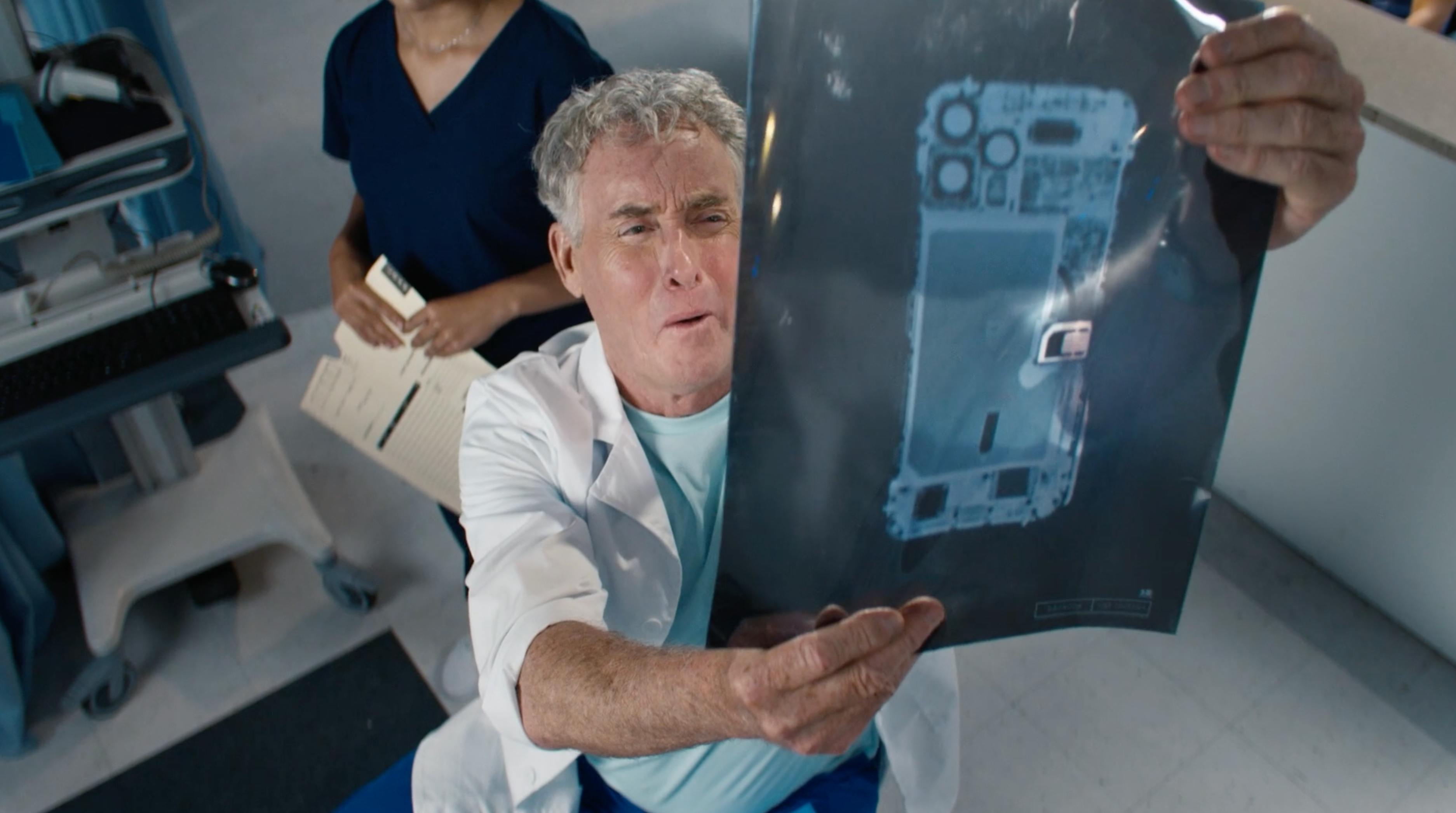
Airalo turns roaming fees into a diagnosis
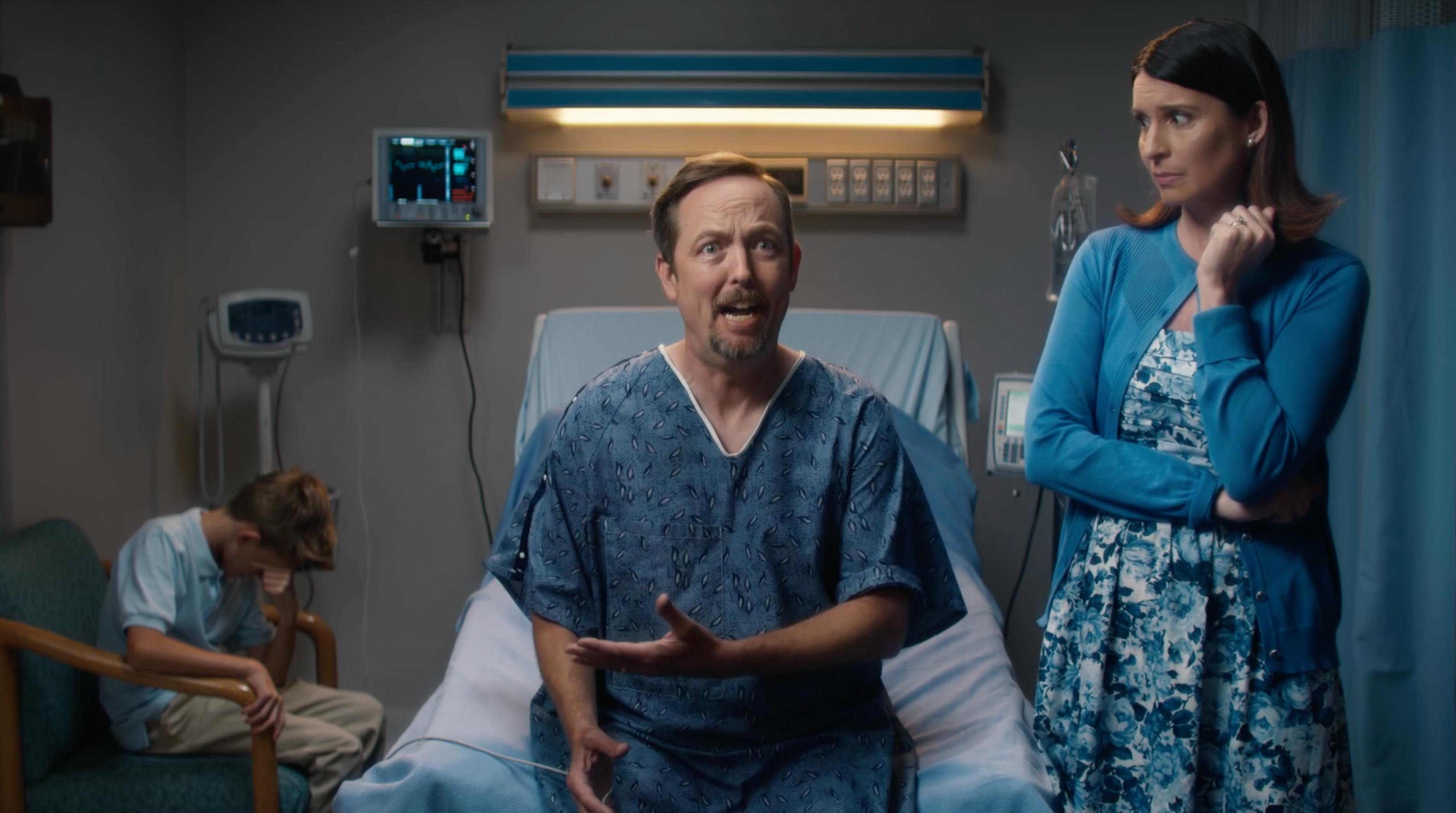
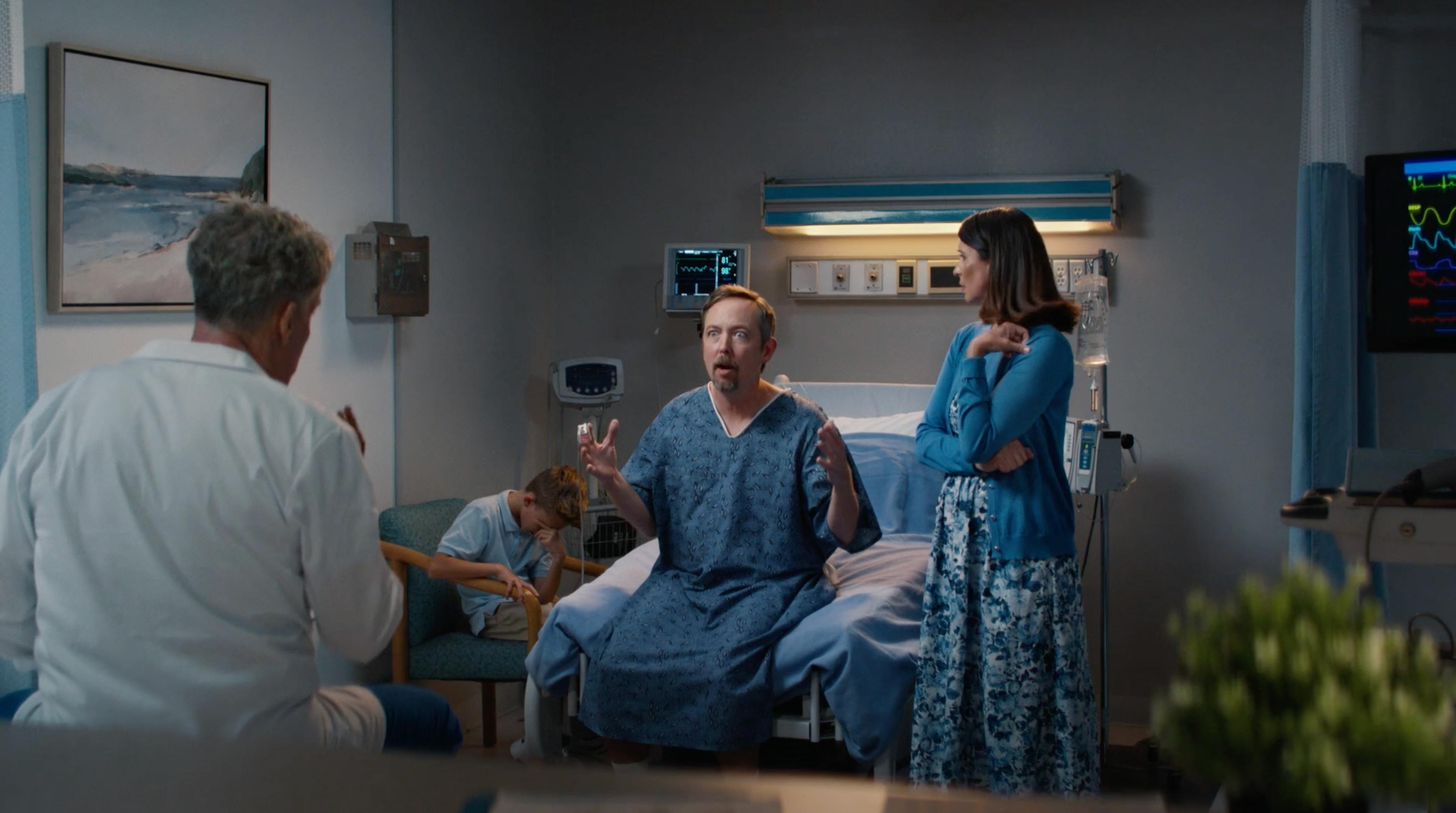
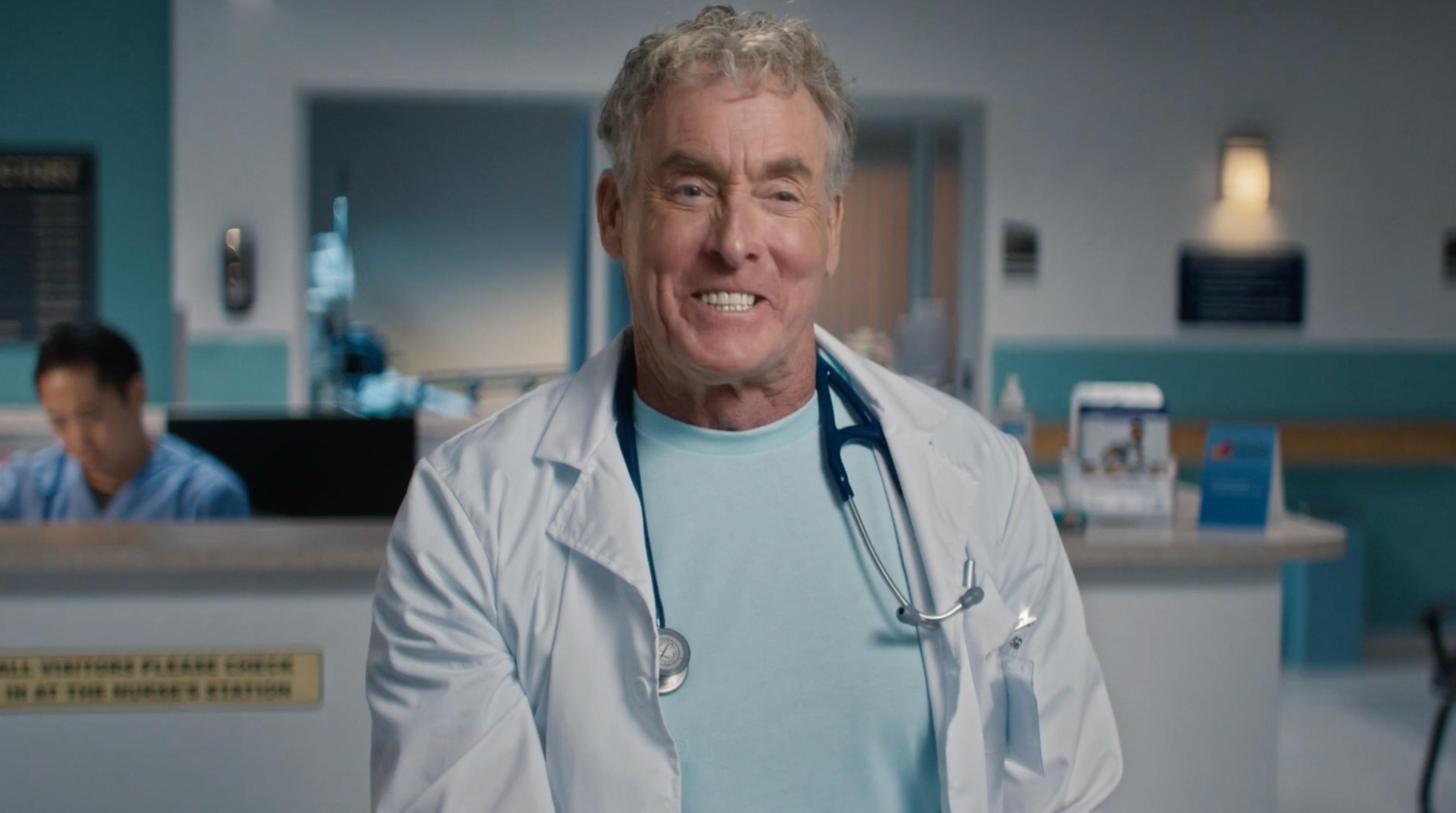
Airalo’s “Sick SIM” campaign takes one of travel’s most annoying pain points roaming fees and turns it into a comedy diagnosis. In the spot, John C. McGinley re-enters the exam room as a sharp-tongued doctor figure, helping a vacationer discover that their real ailment is a forgotten SIM card and the absurd cost of using it abroad.
The campaign was created with Wild / Factory and directed by Johan T. Anderson, with Yura Liamin serving as executive producer. It was produced to make Airalo feel like the clear, affordable cure for “bill shock,” a message that works especially well because it treats a frustrating utility problem like a memorable medical sketch.
Why casting John C McGinley works
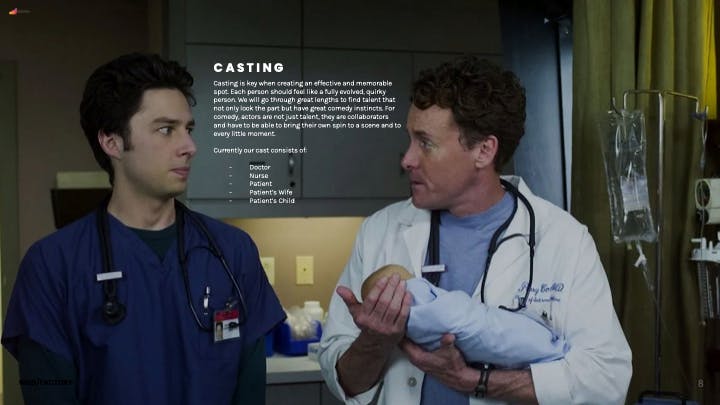
John C. McGinley was a smart casting choice because audiences already associate him with fast, biting medical comedy through Dr. Perry Cox on Scrubs. His Dr. Cox persona is famous for sarcasm, authority, and controlled chaos exactly the tone needed to sell a parody exam-room ad without losing clarity.
That familiarity gives the Airalo spot instant shorthand. Viewers don’t need much setup to understand that McGinley’s doctor is going to be blunt, funny, and slightly exasperated, which helps the product pitch land quickly. The campaign also benefits from McGinley’s ability to play “doctor-as-comic-operator,” a role he has made culturally sticky over decades.

Creative strategy in video production
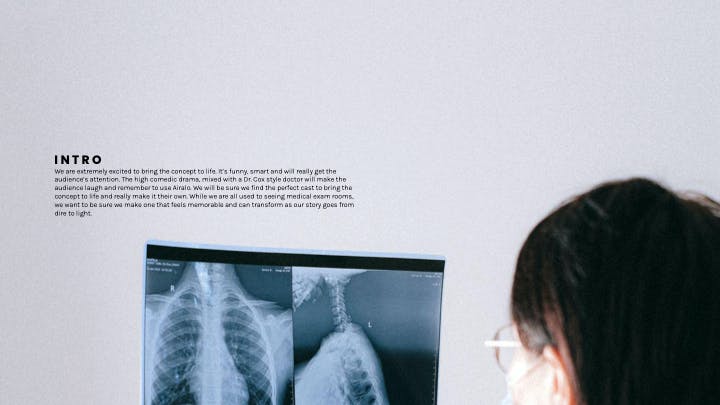
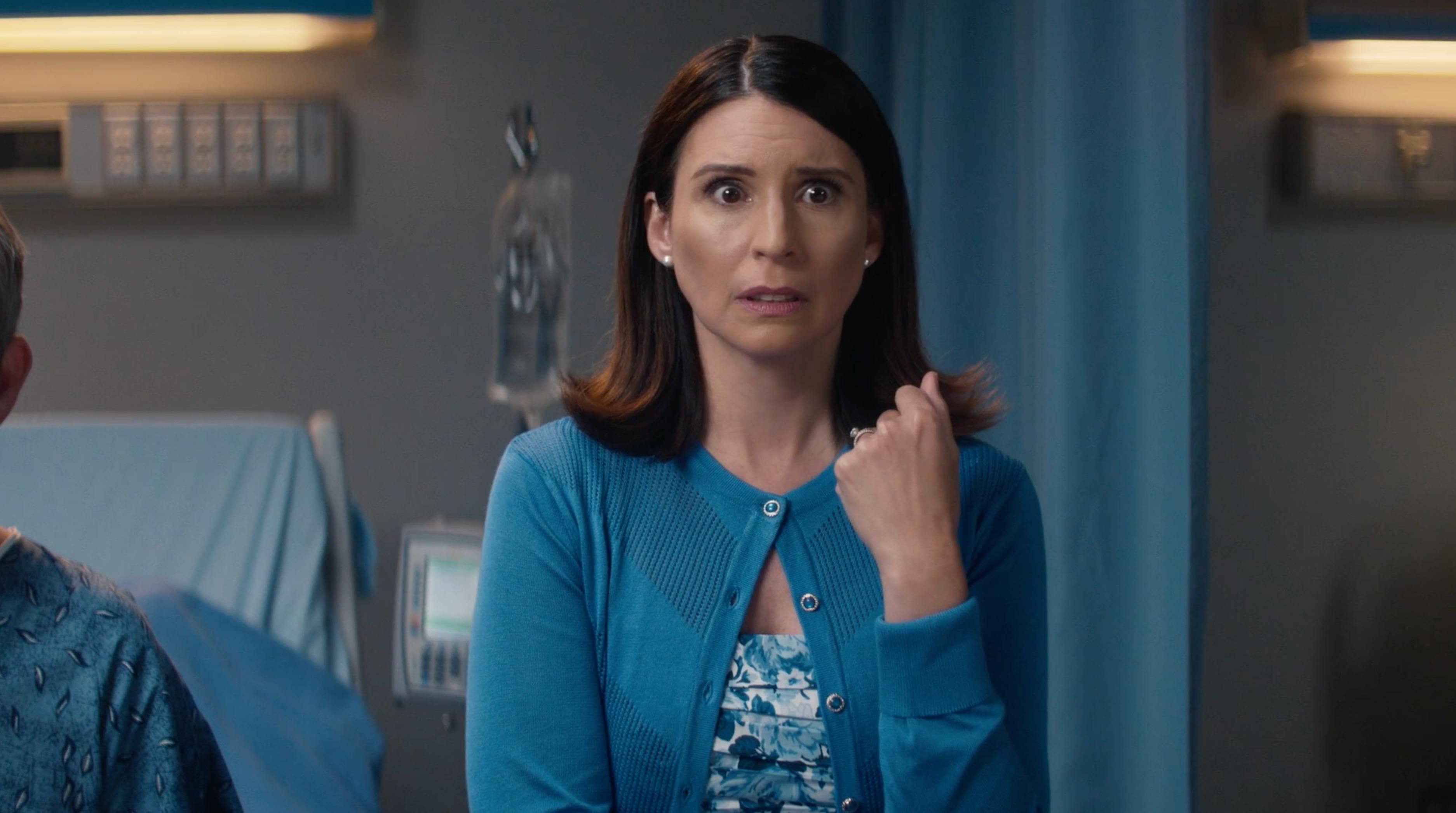
The campaign starts with realism and then slides into absurdity, which is a useful formula for product ads in categories people don’t actively want to think about. A patient arrives with vacation-induced anxiety, and the “diagnosis” becomes a metaphor for roaming-fee pain.
That approach lets the brand dramatize a real problem without sounding like a checklist of features. The humor comes from the escalation: the sickness is not physical, but financial; the cure is not medicine, but Airalo’s eSIM. In other words, the campaign uses a familiar TV language—medical comedy—to make a digital product easier to remember.
Production and set design
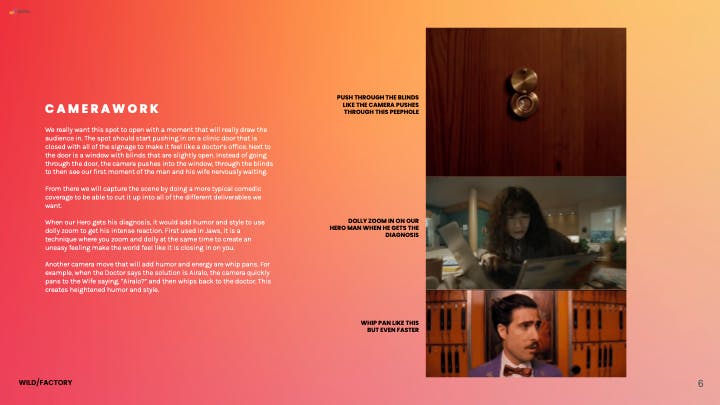
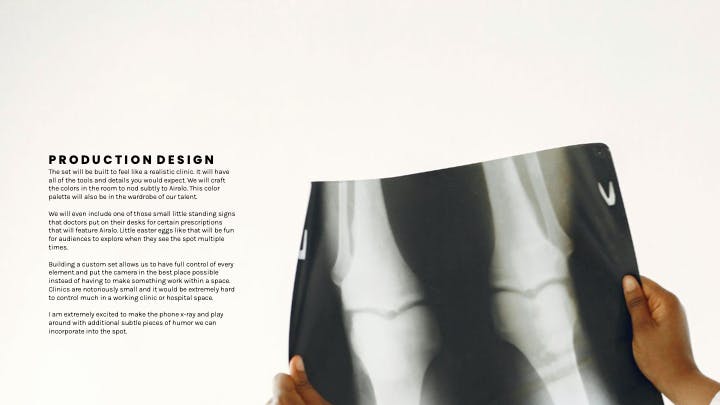
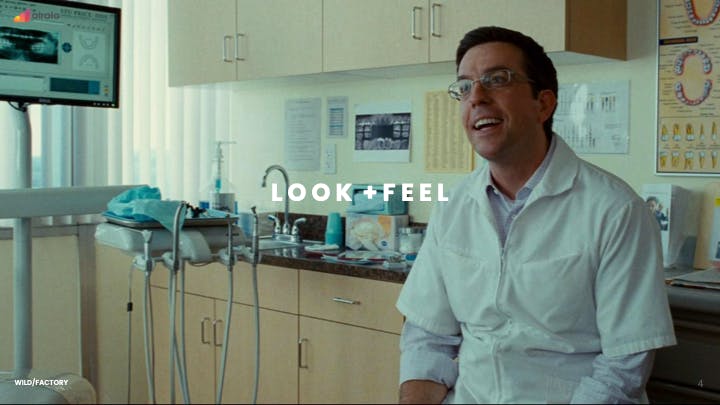
Wild / Factory shot the campaign on a custom-built set at Sirreel Studios in Los Angeles, giving the production a controlled environment for performance, lighting, and camera movement. The custom build was key because the spot needed to feel grounded enough to sell the gag, but stylized enough to support the larger-than-life doctor performance.
The creative team used the set, lighting cues, and camera work to make the exam room feel like a theatrical version of reality rather than a literal clinic. That choice matters in comedy advertising: the more carefully designed the world, the easier it is for the actor’s timing and the brand message to feel intentional rather than chaotic.


Project-based creative agency
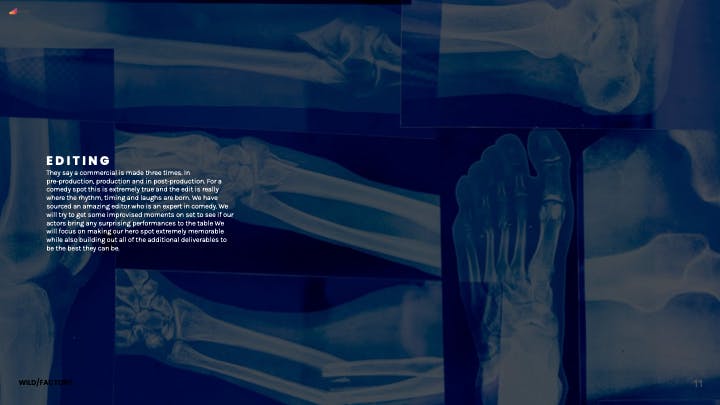
Wild / Factory’s value in this campaign wasn’t just production execution; it was the ability to compress a complex idea into a clean, shootable concept and then make it look easy. Their team handled casting, location/build decisions, performance shaping, wardrobe, and the technical elements needed to keep the spot feeling distinctly “Airalo.”
The studio’s broader service profile creative development, production, post, and branded content fits this kind of campaign well because it needs a partner that can move quickly while still treating comedy, blocking, and visual polish as equally important. In fast-turnaround work like this, having the creative and production teams aligned from the start is often what makes the difference between a funny idea and a finished ad that actually feels premium.
Key video production challenge
The hardest thing about “Sick SIM” is that the joke has to feel universal, not niche. Roaming fees are annoying, but they aren’t inherently cinematic. Wild / Factory and Airalo solved that by giving the problem a human face and a clear emotional state: vacation anxiety caused by a stupidly expensive SIM card.
The second challenge was making the performance feel authentic enough to support the absurdity. McGinley had to be both a recognizable comic authority figure and the engine of the brand message. That balance is hard to hit, but it’s what makes the campaign memorable rather than merely clever.
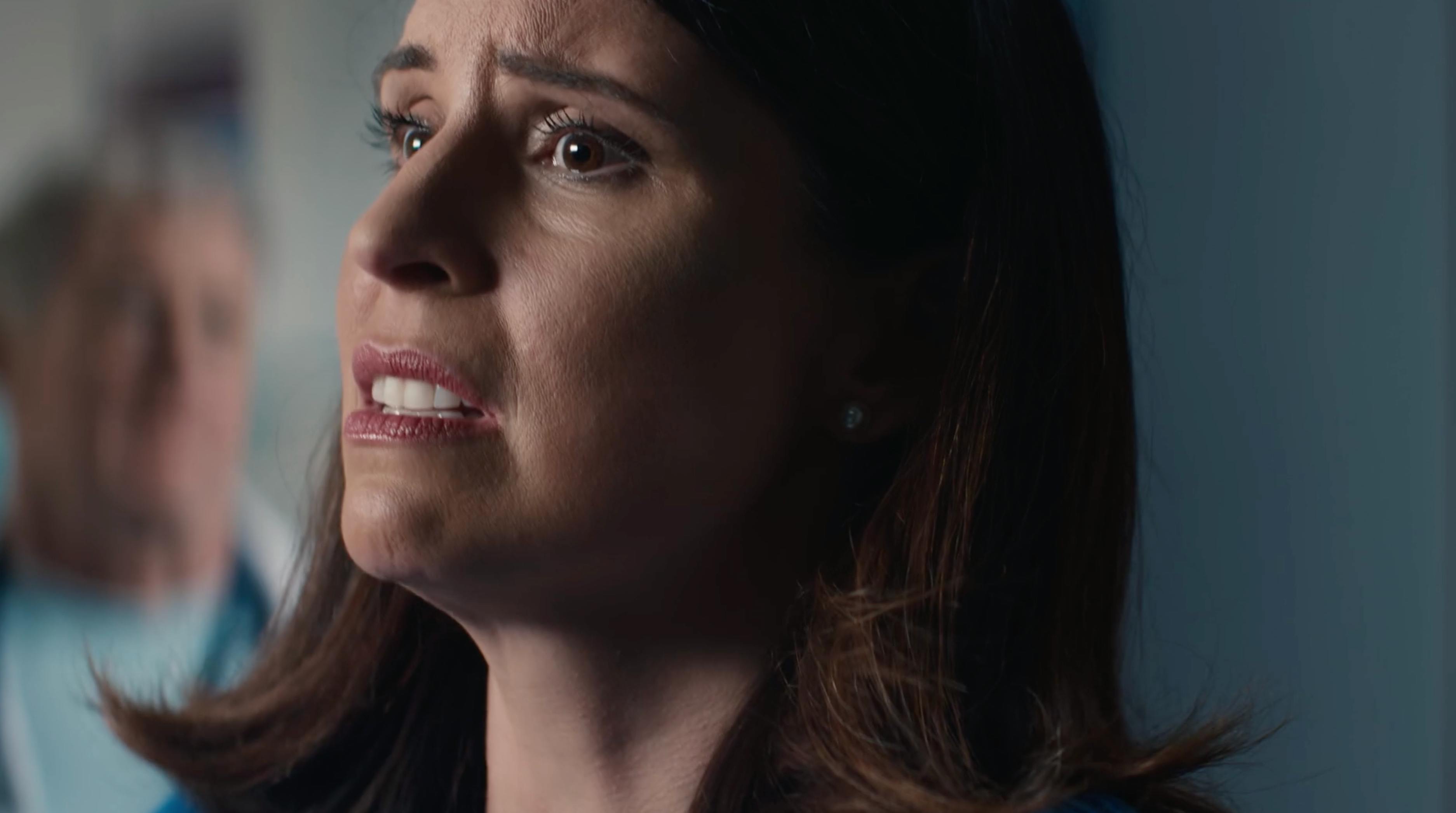
John C. McGinley and Scrubs
McGinley’s presence carries immediate cultural weight because Dr. Perry Cox remains one of television’s most recognizable medical comedy characters. He portrayed Cox across the long run of Scrubs, where the role became a defining part of his career and a shorthand for acerbic, fast-talking medical authority.
That legacy matters for advertising. In a medical-themed spot like “Sick SIM,” McGinley brings an entire audience memory bank with him, letting the campaign borrow from that TV history without directly imitating it. The result is a performance that feels familiar, but not derivative.
Who made it happen
Creative was developed by Wild /Factory, the campaign is also a credit to the broader production team around it. Johan T. Anderson directed the spot, with Yura Liamin as the executive producer. Supporting cast and collaborators helped round out the world, including actors featured alongside McGinley in social promotions for the campaign.
In practical terms, that meant a tight collaboration between the director, producer, and production company to keep the comedic timing intact under a compressed schedule. For a spot like this, the producer’s job is not just logistics; it’s maintaining the rhythm of the joke from prepro through post and delivery.

What performed well in this marketing campaign
Publicly available sources confirm that the campaign was actively promoted and shared across social and video channels, but I could not verify a public, campaign-specific performance report with hard Airalo metrics from the sources available here. What is clear is that the spot was built for high memorability: a recognizable star, a simple pain point, a quick cure, and a highly shareable comedy format.
That matters because Airalo is selling a product category that benefits from immediate comprehension. The faster viewers understand “roaming fees are bad, Airalo solves that,” the more effective the ad becomes. The campaign’s structure is built around that principle, which is often a better indicator of success than a single vanity metric.


Lessons for brands and advertisers
The biggest lesson is that utility products need story, not more explanation. Airalo could have made a feature-heavy ad about eSIM activation, destination coverage, or pricing, but instead it made the audience laugh at the pain point first.
Other useful takeaways:
Casting can carry category education if the actor brings the right cultural memory. McGinley’s Scrubs association makes the doctor role instantly legible.
Cast great actors for all the roles, no matter how small.
A custom-built set can make a small idea feel premium and controlled.
Start with a real consumer frustration, then exaggerate it into a simple metaphor people can repeat.
The product should feel like the punchline and the solution at the same time.
Airalo’s “Sick SIM” campaign appears to have succeeded less through a single public performance number than through a strong mix of creative clarity, celebrity fit, and category simplification. The available evidence points to a campaign designed for memorability and conversion, but I can’t verify a public, campaign-specific dashboard of views, CTR, or ROAS from the material available here.
What the ad campaign did well
The spot takes a very practical product problem painful roaming fees and turns it into a comic medical diagnosis. That framing is effective because it makes Airalo’s eSIM value proposition instantly understandable: roaming fees make you sick, and Airalo is the cure. The ad’s premise is easy to repeat, easy to remember, and easy to map to the product.
John C. McGinley also gives the campaign a built-in shortcut to audience recognition. His long association with Dr. Perry Cox from Scrubs makes him feel like a natural in an exam-room comedy, so the casting adds instant authority and cultural memory instead of forcing the brand to explain the joke from scratch.
Why the creative performed
The campaign uses a classic ad strategy that works especially well in travel and fintech-adjacent categories: start with a real pain point, then exaggerate it into something funny and visually sticky. In this case, the “illness” is vacation anxiety caused by roaming charges, and the solution is an eSIM. That means the ad does double duty: it entertains and teaches.
Wild / Factory’s custom-built set, controlled lighting, and performance-first direction likely helped the spot feel polished enough to be premium but absurd enough to be shareable. For a brand like Airalo, that balance matters because the product is useful, but not inherently emotional. The comedy creates the emotion.
178
Episodes of Scrubs with Dr. Cox
2.3m
Organic views the first month on YT
$1Bn
Client's valuation after the release of this campaign
Signs of impact
The campaign was active across social, video and OOH channels and was promoted with McGinley front and center. The brand saw the creative as strong enough to carry awareness and re-marketing use cases, not just a one-off awareness play.
Airalo’s broader ecosystem also suggests the brand has been effective at turning education into conversion. Separate Airalo partner and content initiatives have reported strong growth and high engagement, including a later partner case study citing 600% growth in eSIM sales during peak travel season and 2.4 million sessions on a comparison platform; those numbers are not for “Sick SIM” specifically, but they show the brand’s category message can convert when paired with the right distribution and explanation.
Lessons for advertisers
The biggest lesson is that utility products do not need more features; they need a better story. Airalo did not make the audience learn eSIMs through specs. It made them feel the pain of roaming and then laugh at the “cure.”
A few clear takeaways:
Cast for memory, not just fame. McGinley’s TV legacy made the role instantly legible.
Use a universal pain point. Everyone understands bill shock.
Build a world, not just a script. The exam-room set and visual tone make the gag feel bigger than the runtime.
Keep the product explanation simple. The ad works because the answer is obvious in one line.
Bottom line
If the goal was to make Airalo feel like the obvious fix for roaming-fee pain, “Sick SIM” likely succeeded on the fundamentals: clear problem, strong comedic hook, credible celebrity, and a production style that made the brand feel premium and memorable. The missing piece is a public performance report, so the strongest conclusion is that it was a strategically well-constructed campaign with strong signs of creative effectiveness, even if exact metrics aren’t publicly available. With McGinley, Johan T. Anderson, Yura Liamin, and Wild / Factory, Airalo got a campaign that is sharp, memorable, and built to make eSIMs feel less technical and more obvious.