Live Action & CGI for Douglas Elliman Real Estate "Elevate Your Style"
Douglas Elliman Real Estate
"Elevate Your Style"
Director
Evan Ari Kelman
Year
2024
Director
Evan Ari Kelman
Year
2024
Type
Commercial, Social, CTV
Industry
Real Estate
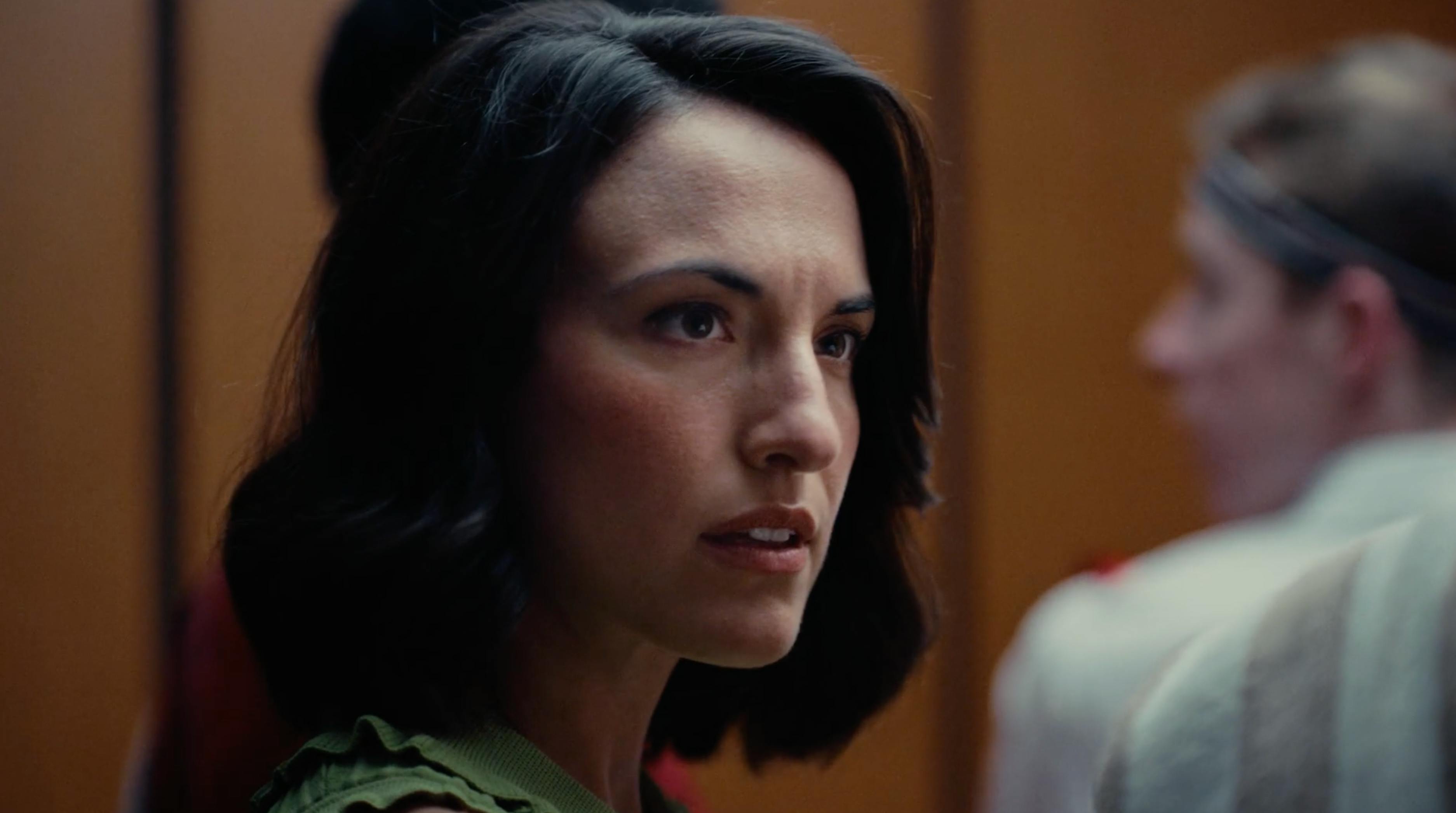
Douglas Elliman’s Atlantic Team didn’t just want another real estate spot they wanted a piece of cinema that made the Hamptons feel like a secret level you unlock, not a ZIP code you browse. Wild / Factory, a top NYC video production company and independent creative agency with their acclaimed director Evan Ari Kelman turned “Elevate Your Experience” into a tightly crafted, style‑driven TV/CTV/digital film that sells a feeling as much as a service.
Concept: from crowded elevator to rarefied air
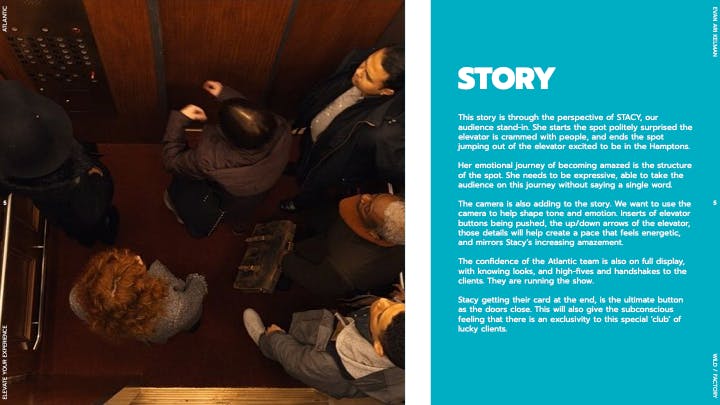
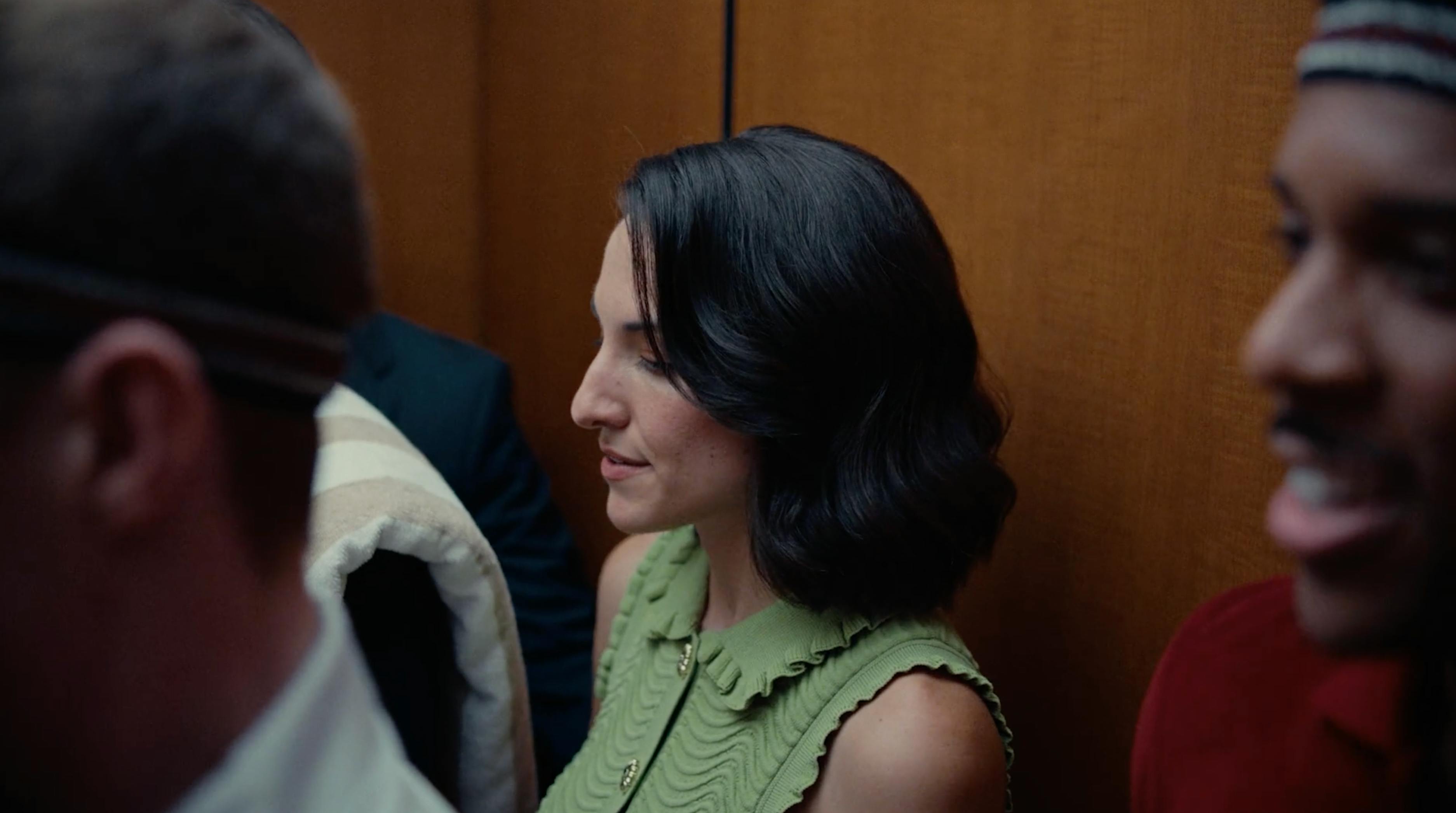
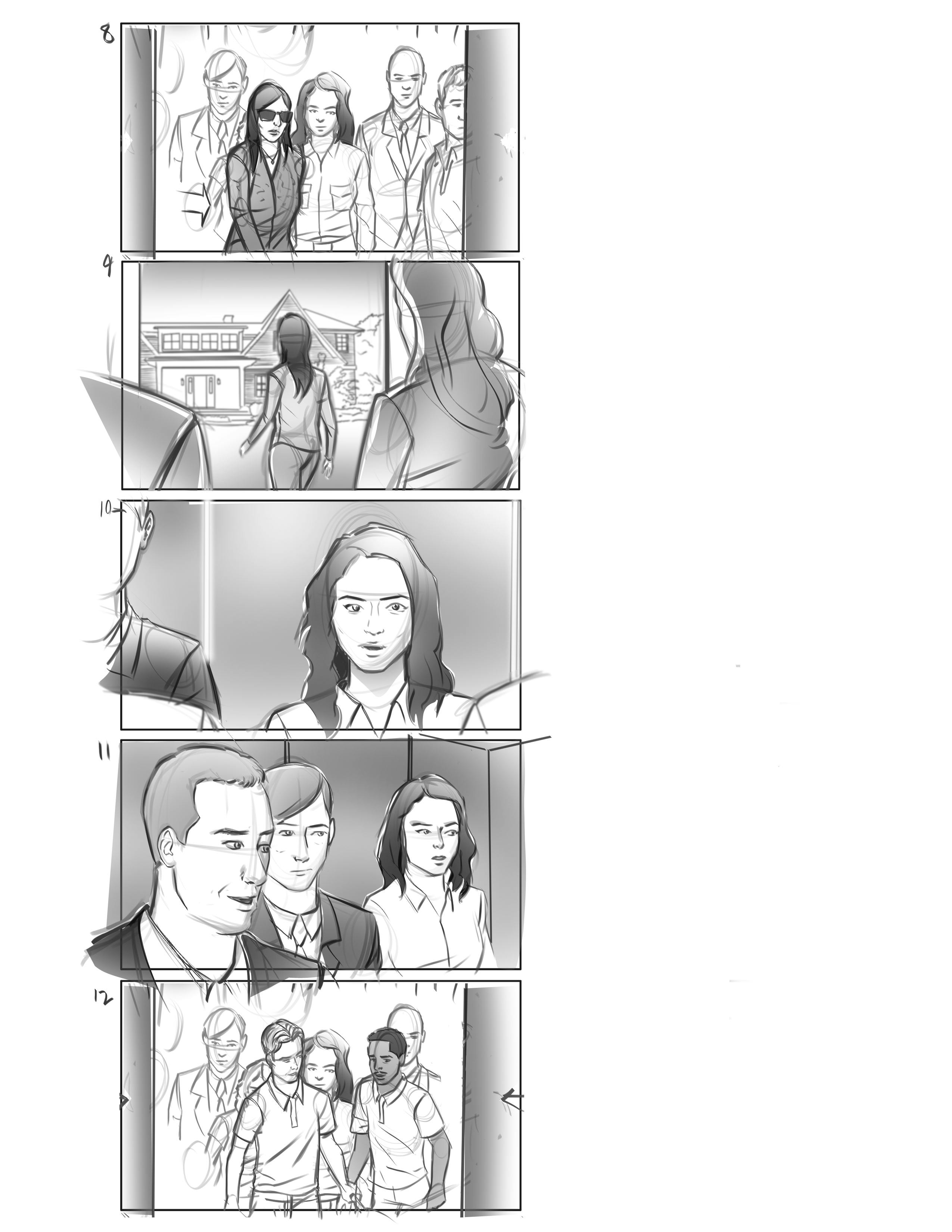
The spine of the spot is simple and emotionally legible: we follow Stacy, our audience stand‑in, from a cramped New York elevator to the elevated world of the Hamptons as curated by the Atlantic Team. She hardly says a word. Instead, the entire arc is carried by looks, pacing, and camera.
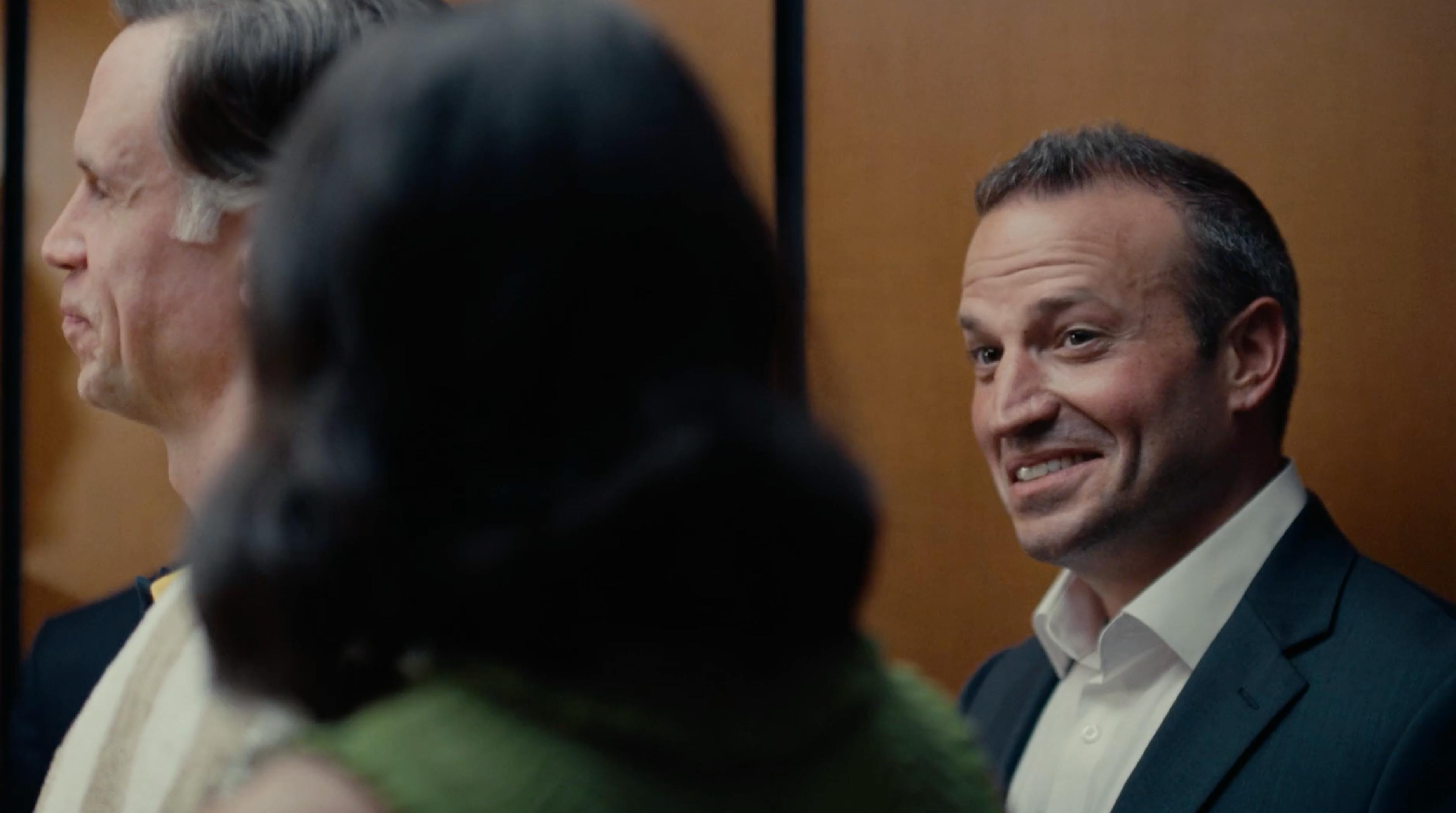
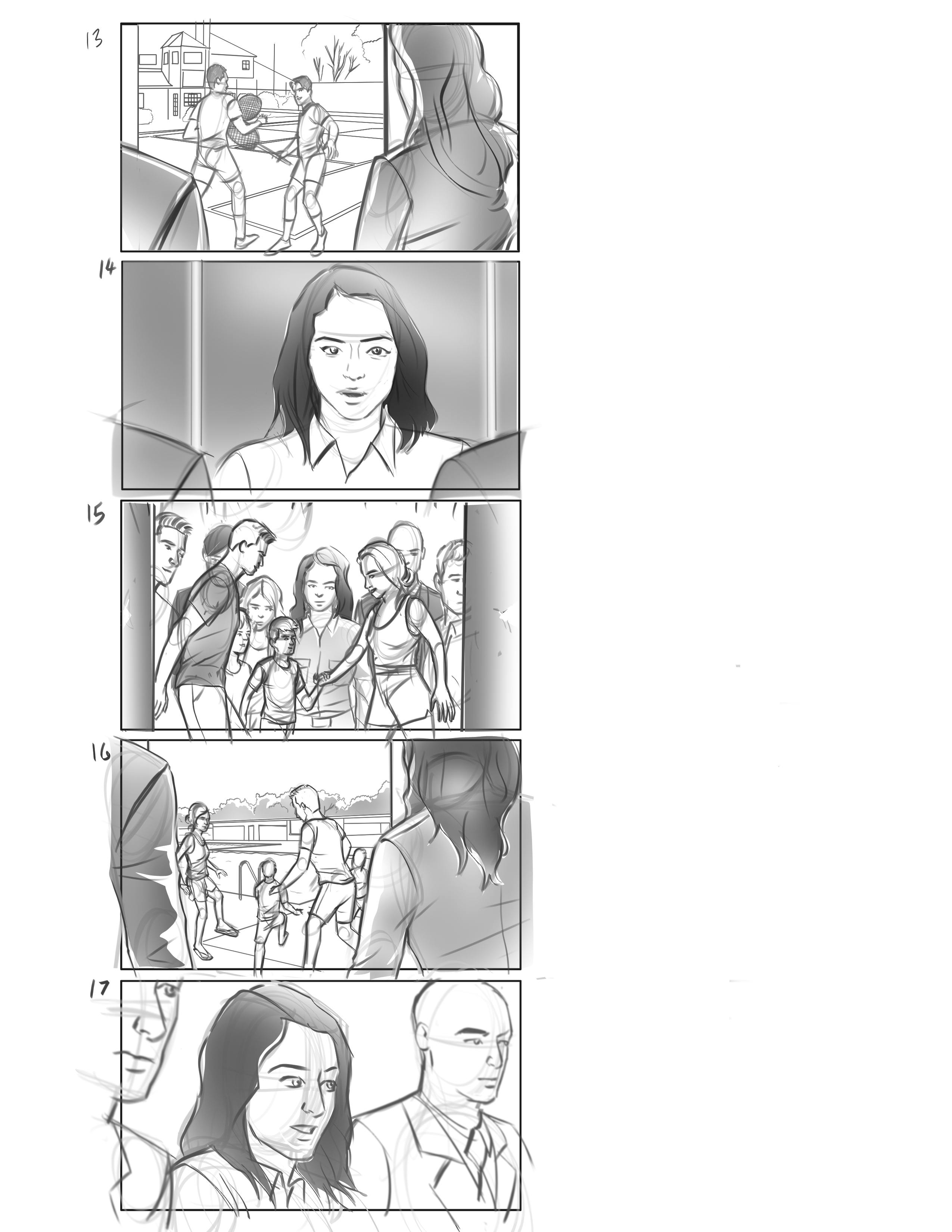
In the opening, Stacy is wedged into a crowded elevator polite, slightly amused, absorbing the energy of the Atlantic Team, who exude confidence without tipping into caricature. As floors tick by, her internal temperature rises from mild curiosity to genuine intrigue. By the time she steps into the Hamptons, her body language has flipped: shoulders loosen, eyes widen, and her gait shifts from tentative to assured.
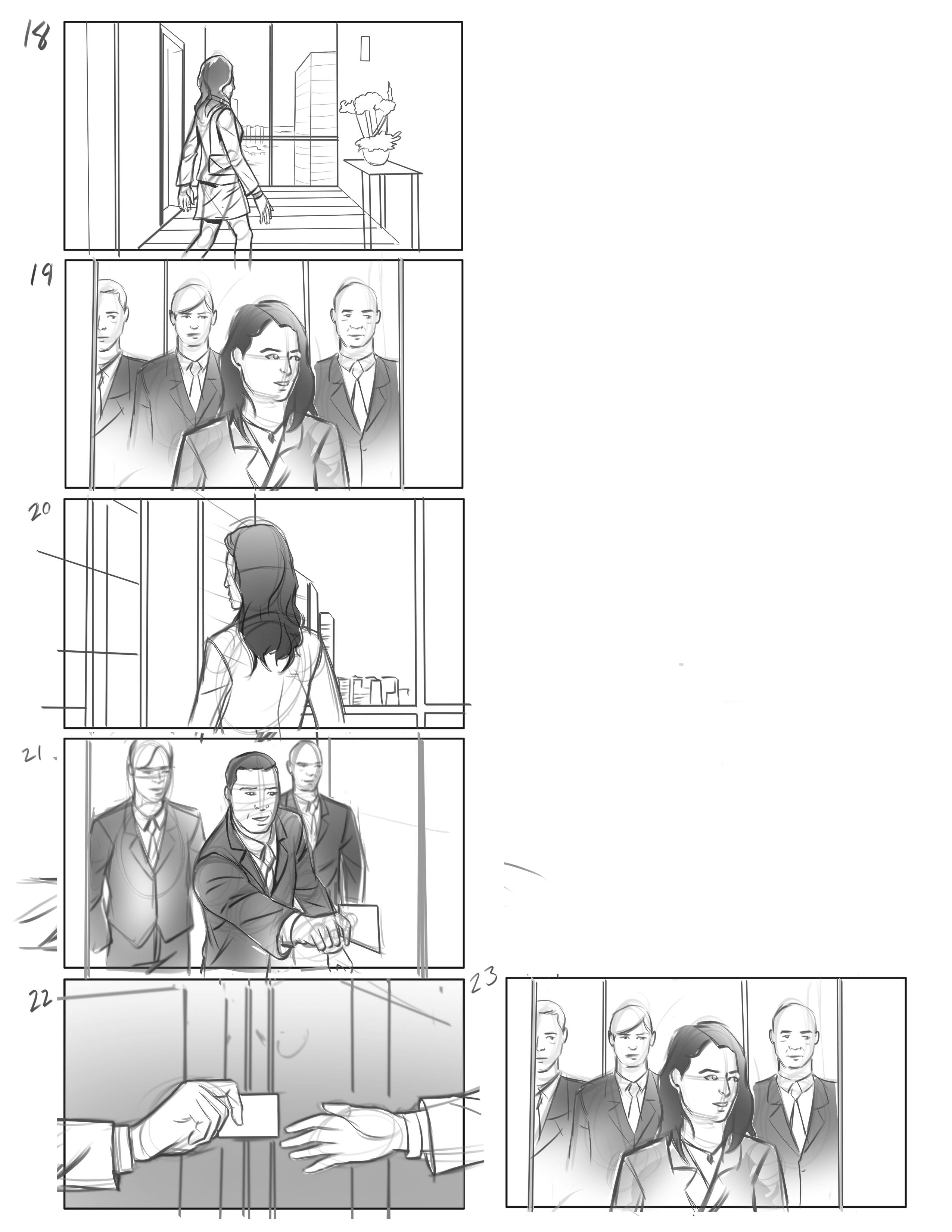
That emotional progression is synced to the visual language: insert shots of elevator arrows and buttons, timed cuts, and musical cues echo the rising anticipation. The final gesture the Atlantic Team handing Stacy their card lands less like a sales move and more like an invitation into an exclusive club.
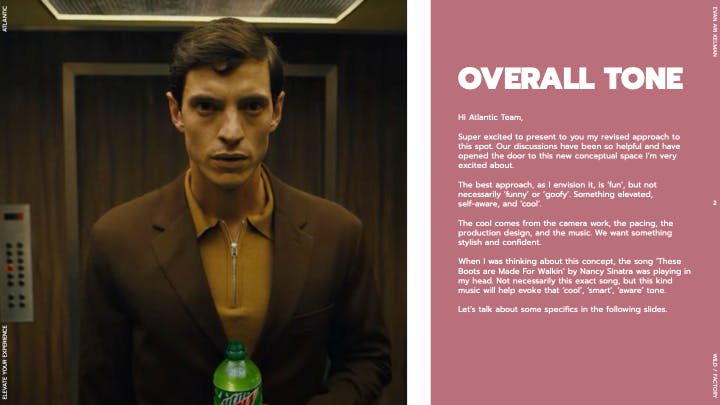
Tone: Nancy Sinatra meets modern luxury
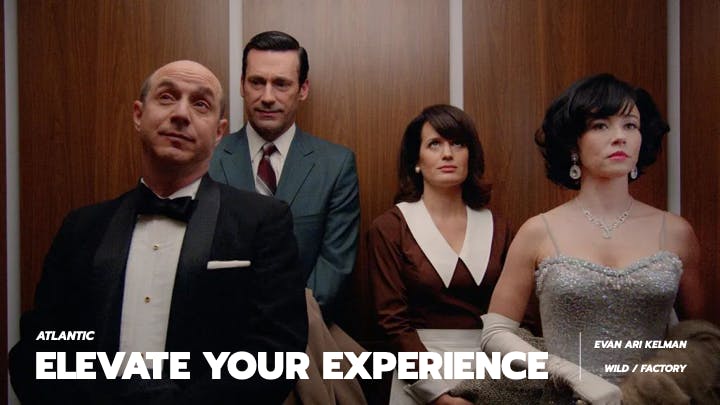
Tonally, the brief was “cool, elevated, and self‑aware,” with a nod to Nancy Sinatra’s “These Boots Are Made for Walkin’.” That reference isn’t about pastiche; it’s about energy. The spot borrows the track’s swagger and deliberate rhythm: strong, confident walk cycles, choreographed blocking, and editorial cadence that feels like a strut rather than a stroll.
Wild / Factory and Kelman leaned into that attitude with:
Deliberate pacing that lets shots breathe just long enough to feel iconic.
Musical structure that supports visual “steps” each floor in the elevator, each reveal in the Hamptons.
A self‑aware wink in the performances; everyone on screen seems to know they’re in a movie, but no one mugs for the camera.
The result is a film that feels aspirational without being stiff, stylish without being precious.
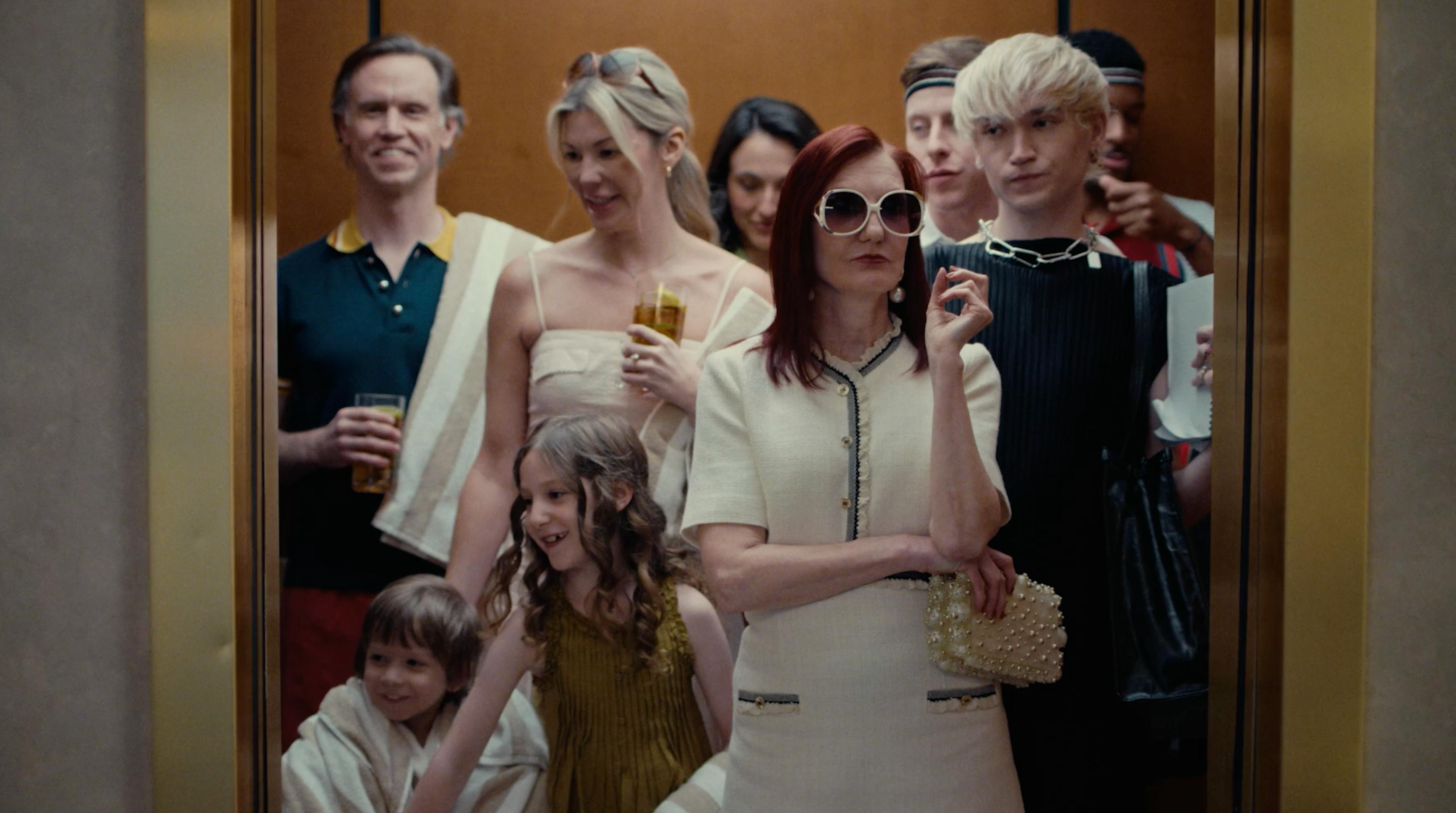
Visual language: Wes Anderson precision, minus the parody
The spot’s world is built on “heightened deliberateness” everything on screen feels chosen. That’s where the Wes Anderson inspiration shows up: in color, composition, and repetition, not in overt quirk.
Key choices:
Color palette: Muted, harmonious tones with carefully controlled accent colors crisp whites, soft pastels, and rich woods signal sophistication and continuity across scenes.
Symmetry and framing: Compositions that often favor balance centered subjects, clean lines, mirrored blocking give the piece a composed, cinematic feel.
Repetition as design: Matching tennis outfits, monochrome assistant uniforms, and coordinated accessories create visual rhythm and reinforce the idea of a team that has thought through every detail.
This approach “elevates” the characters into a cinematic space without turning them into cartoons. Viewers register the polish subconsciously; they simply feel that this is a world where things are handled.
Characters and casting: personality in high‑end wardrobe
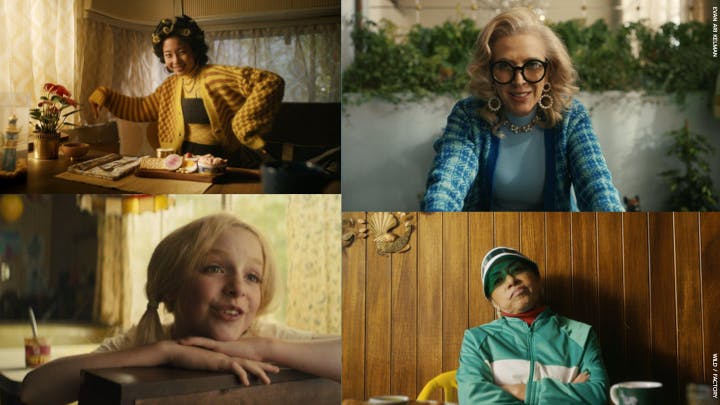
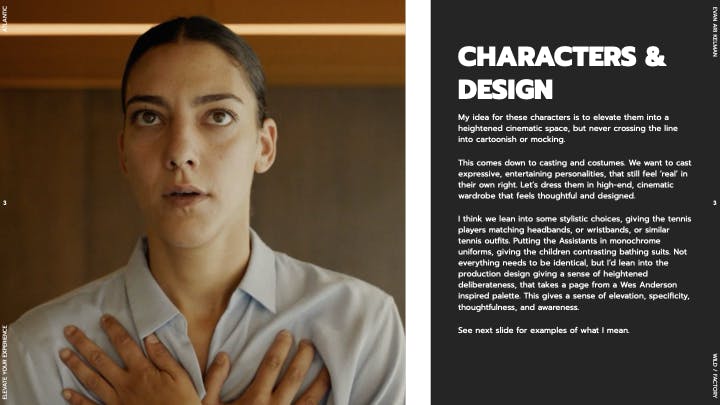
For Wild / Factory, this was not a fashion shoot; it was a character study wrapped in exceptional wardrobe. Casting focused on expressive, entertaining personalities who could project status, confidence, and humor with minimal dialogue.
Stacy, in particular, had to be cast for micro‑expressions: a lift of the brow, a shift in posture, the subtle widening of eyes as the Atlantic Team’s world reveals itself. Her transformation from polite surprise in the elevator to quiet awe in the Hamptons had to be purely non‑verbal.
Wardrobe plays a major supporting role:
High‑end, tailored looks that feel lived‑in, not costume‑y.
Distinct silhouettes for the Atlantic Team that immediately differentiate them from the elevator crowd.
Tennis players and assistants styled in unified looks that telegraph “this operation runs on taste and precision.”
Wild / Factory’s production and styling teams worked closely with Kelman to ensure every fabric, color, and accessory supported the brand’s promise of elevated service.
The Hamptons: pristine, teased, and slightly out of reach
By contrast, the Hamptons are seen mostly in glimpses: a slice of shoreline, a perfectly framed tennis court, a sun‑drenched terrace. Wild / Factory and Kelman made a key decision not to overshow; the Hamptons are more powerful as an almost‑mythical reveal than a brochure.
Lighting and sound do the heavy lifting:
Bright, natural sunlight that instantly signals openness and possibility.
Soft environmental audio waves, birds, distant laughter that contrasts with the muffled hum of the city.
The geography is emotional as much as physical: NYC is tight, vertical, and contained; the Hamptons are open, horizontal, and breathable. The Atlantic Team is the bridge.
Camera, pacing, and non‑verbal storytelling
Evan Ari Kelman’s strength as a director building emotional arcs visually and rhythmically sits at the center of this spot. Known for atmospheric, character‑driven work in both narrative film and high‑end commercial, he brings a precision that turns a simple narrative into something sticky.
Key techniques:
Controlled, expressive camera moves: Push‑ins on Stacy’s face as curiosity turns into excitement; lateral moves that reveal Atlantic Team members one by one; measured tracking shots that sync with the music’s “walk” tempo.
Insert rhythms: Elevator arrows, button presses, passing floor numbers cut in as visual percussion elements that match Stacy’s rising anticipation.
Restraint in cutting: Rather than over‑cutting, Kelman lets moments play out long enough for viewers to feel Stacy’s internal shift. The edit breathes, which makes the final reveal in the Hamptons more satisfying.
Because Stacy’s emotional journey is almost entirely non‑verbal, the camera becomes her inner monologue. That’s a Kelman specialty: making the audience feel what the character feels without a single explanatory line.
Evan Ari Kelman: a director built for this brief
Evan Ari Kelman is an award‑winning writer–director whose work spans festival‑recognized short films, features, and campaigns for brands that trade in aspiration and emotion. A graduate of NYU’s Tisch School of the Arts, he made his name with visually rich, performance‑driven films that often put characters under subtle psychological pressure and let small gestures carry big meaning.
In commercial and branded work, Kelman is known for:
Precise, cinematic compositions that still feel human.
Strong collaboration with actors, especially when the script leans on non‑verbal storytelling.
An ability to translate abstract brand promises like “elevated experience” into concrete visual motifs and narrative beats.
On “Elevate Your Experience,” his creative input was critical in:
Shaping Stacy’s arc so it reads clearly without dialogue.
Balancing the Wes Anderson–inspired aesthetic with grounded performances.
Ensuring that the Atlantic Team feels confidently aspirational, not aloof or parody‑adjacent.
In short: Kelman made sure the spot looked like a movie and moved like a brand story.
How Wild / Factory made it work - soundstage in NYC
Delivering this kind of stylized, cinematic piece for a real‑estate brand demands tight integration:
The creative team worked closely with Kelman to lock a treatment that honored the references (Nancy Sinatra, Wes Anderson) without sliding into imitation.
Production carefully scheduled the elevator work and Hamptons glimpses to maximize light and minimize disruption, knowing that the CTV/TV versions would live or die on a few key moments.
Post structured the edit around Stacy’s internal build, ensuring that even 15‑ or 30‑second versions preserved her emotional arc and the Atlantic Team’s aura of exclusivity.
That combination agency‑level thinking, cinema‑caliber craft, and production pragmatism is where Wild / Factory is strongest.
Practical production and VFX
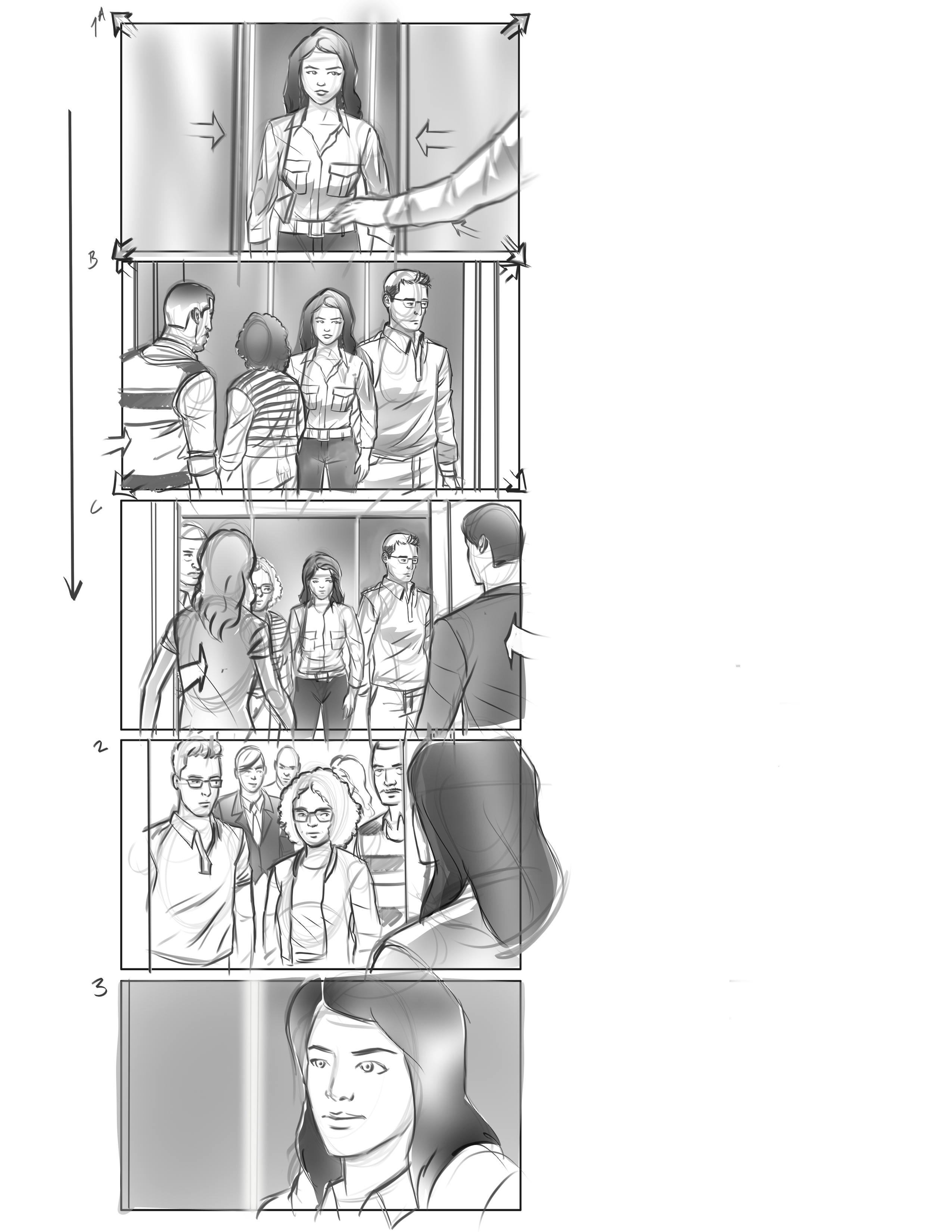
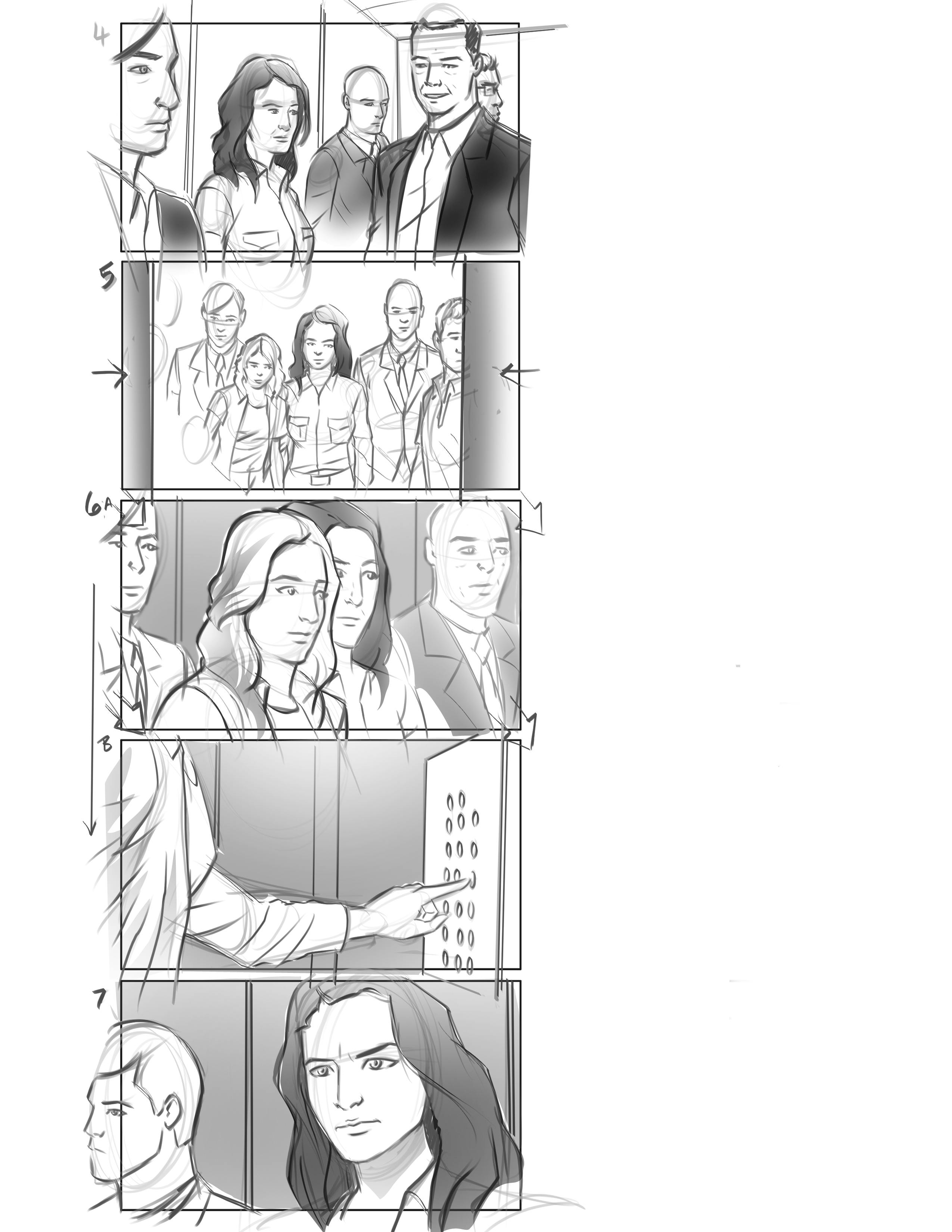
The process was a smart blend of practical design and visual effects. Wild / Factory developed both the concept and technical execution in-house, building the elevator as a practical set with removable walls to allow flexible camera movement and lighting. Green screen in the doorways made it possible to composite each Hamptons environment seamlessly in post-production.
That approach gave the production full control over framing, performance, and transitions while preserving a cinematic feel. The result is a commercial that feels expansive even though it is anchored in one confined space. It is a strong example of how production design and VFX can work together to create a luxury real estate campaign that feels premium without becoming overcomplicated.
Set design: two worlds, one brand
The film lives in two primary spaces NYC and the Hamptons and the contrast between them is doing more than half the narrative work.
The Elevator: pressure, polish, and potential
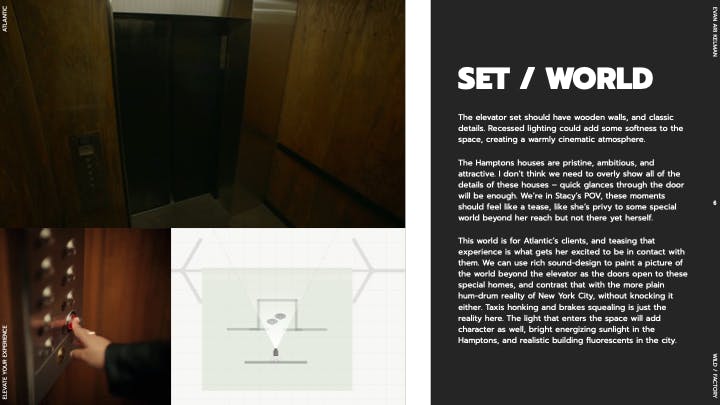
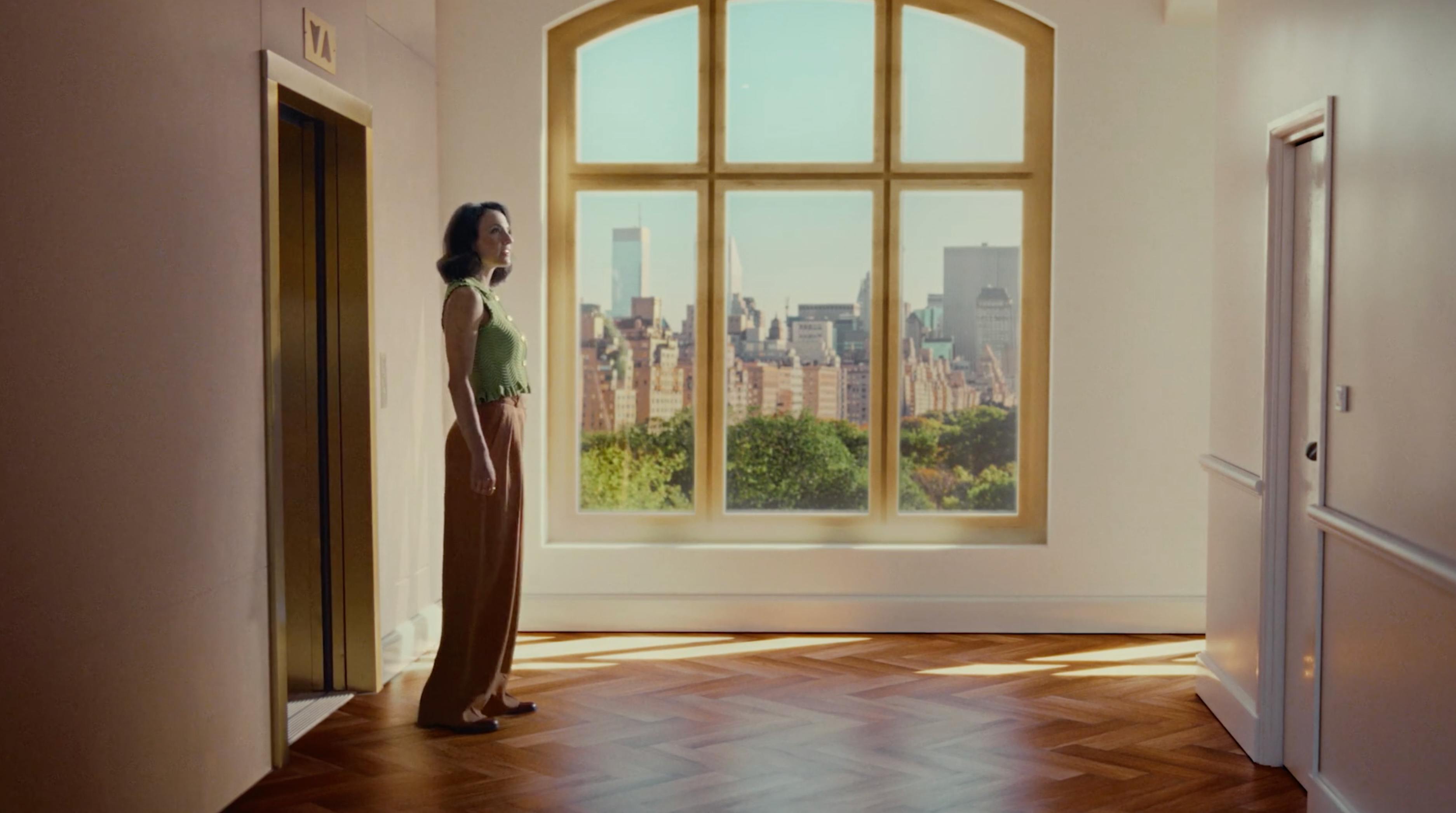
The elevator is not just a box; it’s a character. With wooden walls, classic detailing, and recessed lighting, it evokes old‑New‑York sophistication rather than generic commercial space. The lighting is controlled but realist: a nod to fluorescent practicality, softened enough to feel cinematic.
Inside this tight container, the Atlantic Team’s presence becomes amplified. Their composure and confidence stand out against the hum of the crowd. Quick insert shots of floor indicators, buttons, and doors emphasize the sense of “rising” both literally and metaphorically. Stacy isn’t just changing floors; she’s about to step into a different tier of experience.
Wild / Factory’s role: end‑to‑end creative and production
Wild / Factory operates as both a high‑end video production company and a small independent creative agency, with studios in New York and beyond. That hybrid model was essential to pulling off “Elevate Your Experience” at the level the Atlantic Team and Douglas Elliman required.
Services brought to the table
For this campaign, Wild / Factory delivered:
Creative development support – Helping refine the “elevator to Hamptons” concept, tonal references, and visual language into a shootable treatment.
Casting – Finding a Stacy who could carry the film with micro‑expressions, as well as a cast of Atlantic Team members and background players whose presence matched the “cool, elevated, self‑aware” brief.
Production design & art direction – Shaping the elevator and Hamptons environments, from color palette and props to wardrobes that telegraph status and taste.
On‑set production – Full crew management, camera and lighting teams, scheduling, and on‑the‑day problem solving across NYC and Hamptons locations as needed.
Post‑production – Edit, color, sound design, and final deliverables for TV, CTV, and digital, including aspect‑ratio and length variations for different platforms.
Because creative and production live under one roof at Wild / Factory, decisions about blocking, framing, and set dressing could be made with an eye toward final cutdowns and channel needs no disconnect between deck and dailies.
3
Number of pricipals on the Atlantic Team
$1B
Generated in real estate sales
600+
Homes sold by Atlantic in the Hamptons
Brand impact: making “elevated” feel real
“Elevate Your Experience” doesn’t recite features; it stages a feeling. For Douglas Elliman’s Atlantic Team, the spot:
Positions them as curators of a lifestyle, not just brokers of properties.
Makes the Hamptons feel aspirational yet accessible if you have the right card in your hand.
Gives the team a visual identity and narrative that can extend across TV, CTV, and digital without losing nuance.
For viewers, the message is clear without ever being spoken: when you ride the elevator with the Atlantic Team, you don’t just go up a few floors you step into a different way of experiencing New York and the Hamptons.
And for Wild / Factory and Evan Ari Kelman, it’s a case study in how far you can push style, tone, and non‑verbal storytelling inside a commercial runtime provided you have a strong concept, a precise director, and a production partner built to bring both to life.
Why the campaign works
This commercial works because it makes excellence and escape feel inseparable. The Atlantic Team is positioned not just as a brokerage, but as a guide to a lifestyle that is polished, confident, and deeply desirable. The elevator becomes a narrative device for exclusivity: each open door reveals another reason to trust the team behind the Hamptons experience.
By combining strong casting, precise direction from Evan Ari Kelman, practical set design, and carefully composed VFX, Wild / Factory delivered a real estate commercial and accompanying branded videos that are stylish, memorable, and built for TV, CTV, and digital. It is a luxury real estate ad that sells both the product and the feeling.