"Don't Get Held Up" with the Great William Shatner for Blockchain
Blockchain.com
"Don't Get Held Up" with William Shatner
Director
Will Thompson
Year
2019
Director
Will Thompson
Year
2019
Type
Commercial, Social
Industry
Fintech, Startups
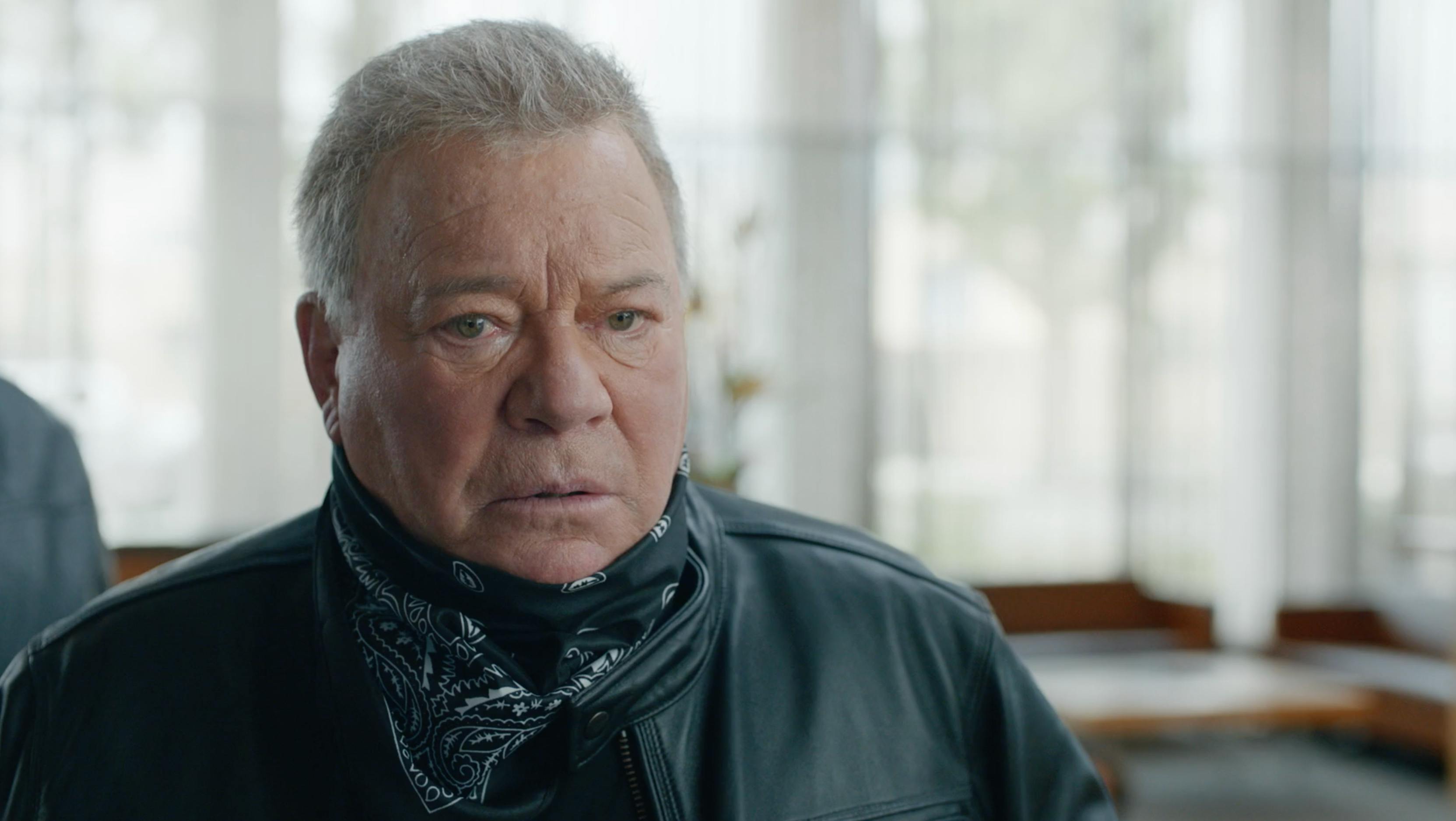
Overview: turning a confusing category into a bank‑heist comedy
When Blockchain.com prepared to launch The PIT its high‑speed crypto exchange it faced a brutally simple brief: make a skeptical, confused public care about yet another trading platform without talking like a white paper. The answer was to lean as far away from technical jargon as possible and drop William Shatner into a botched bank robbery that plays like a 60‑second sitcom pilot.
The hero film, “Don’t Get Held Up. Level Up in The PIT,” positions Shatner as a would‑be bank robber who discovers, mid‑heist, that there’s a much smarter way to build a portfolio than stealing cash: trading crypto on The PIT. It’s loud, proudly silly, and engineered to do one job extremely well deliver a simple speed‑and‑reliability promise to people who might otherwise tune out a crypto ad.
Brand and business challenge
By 2019, retail investors had been burned by crypto hype cycles, scams, and sluggish or unreliable exchanges; “crypto” signaled risk, complexity, and volatility more than opportunity. Blockchain.com, best known for its wallet, was entering the crowded exchange space with The PIT, a product positioned as the “world’s fastest crypto exchange” with institutional‑grade infrastructure and 24/7 support.
The marketing problem was twofold:
Rebuild basic trust and intrigue around crypto trading without promising the moon.
Explain why this particular exchange The PIT was different, in human language: fast, reliable, and not a headache to use.
Compounding the challenge: most consumers had at best a hazy understanding of blockchain, and glossy CG‑driven crypto spots were already blending together in the feed.
Strategic insight: “Don’t get held up”
The core creative insight was to dramatize a single, concrete pain point instead of trying to educate viewers on blockchain mechanics: people feel “held up” by traditional financial systems and by clunky, slow crypto exchanges.
By flipping “held up” from metaphor to literal bank robbery, the idea does three things at once:
Uses a familiar heist trope to hook attention instantly no technical ramp‑up required.
Sets up a comic contrast between old‑world cash grabs and new‑world digital trading.
Creates a mnemonic line “Don’t get held up. Level up in The PIT.” that travels cleanly across film, banners, and social.
Instead of “educating” viewers, the spot reframes their mental model: if you’re still chasing cash the hard way, you’re doing it wrong.
Top-rated video production company in NYC
Wild/Factory believes every brand has a story worth telling and how you tell it is everything. We are a video production company and project-based creative agency with a roster of award-winning directors, in-house post-production, and studios across North America. We produce top-quality visual assets and bespoke creative solutions that don’t just look exceptional. They move people, build brands, and create lasting value for the clients and partners who trust us.

Why William Shatner & How to Hire Celebrities
Shatner brought three strategic advantages:
Cultural shorthand for frontier‑tech optimism
He’s permanently associated with space exploration and the “final frontier,” making him a natural bridge between sci‑fi imagination and real‑world emerging tech.Real crypto credibility
Shatner had already been publicly involved in blockchain ventures, including a startup using blockchain to secure provenance of physical memorabilia and speaking about his interest in cryptocurrency. That made him more than just a hired face; he was a genuine advocate for the technology.Self‑aware comedic persona
His ability to play heightened, slightly absurd versions of himself mixing deadpan delivery with theatrical flair—makes him perfect for a bank‑robber role that’s intentionally more sitcom than Scorsese.
As Blockchain.com’s head of growth framed it, the goal was to keep the message non‑technical and value‑focused, and Shatner’s “ridiculously recognizable” voice and playful presence made the ad feel like a piece of entertainment rather than a lecture.
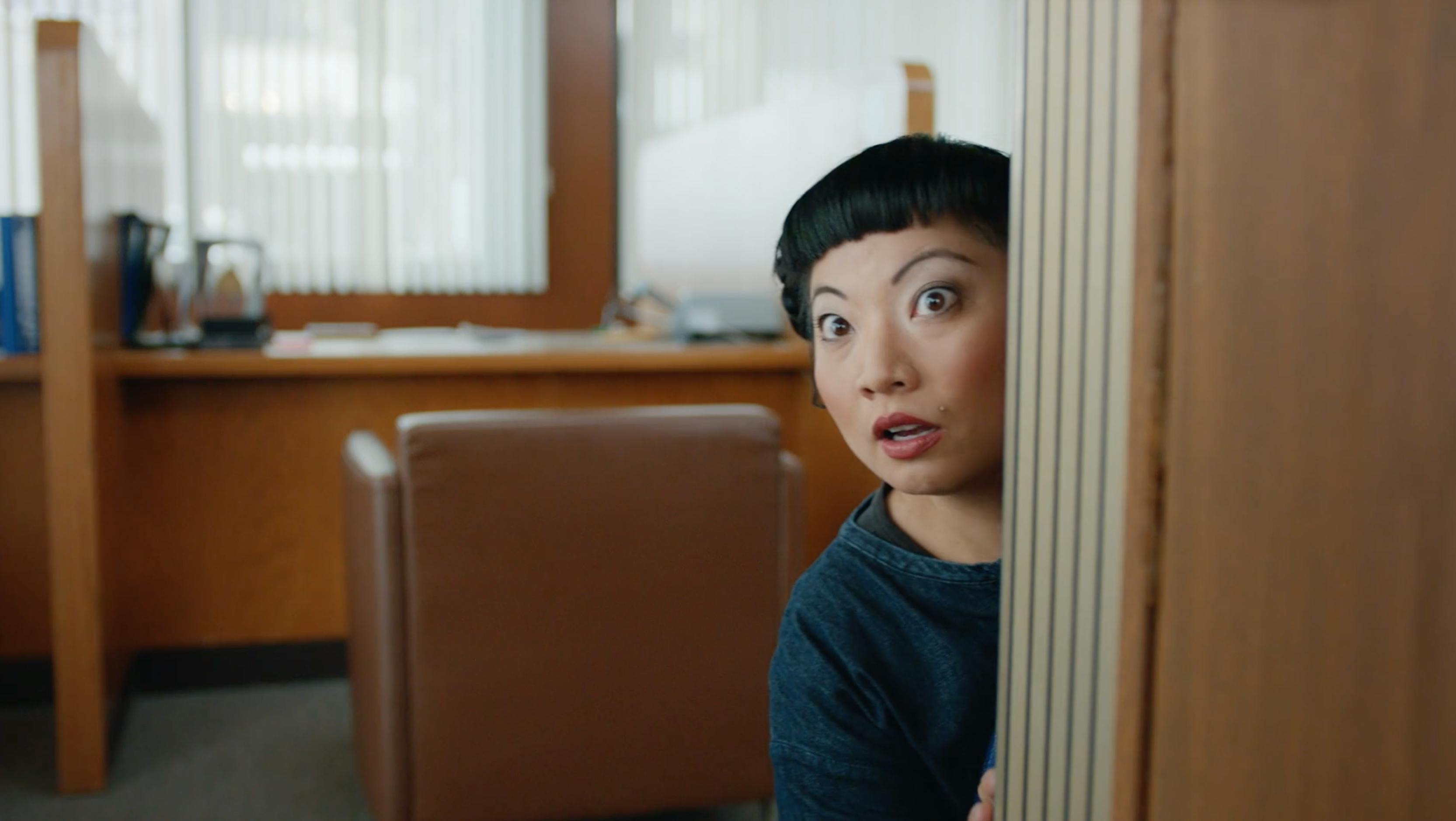
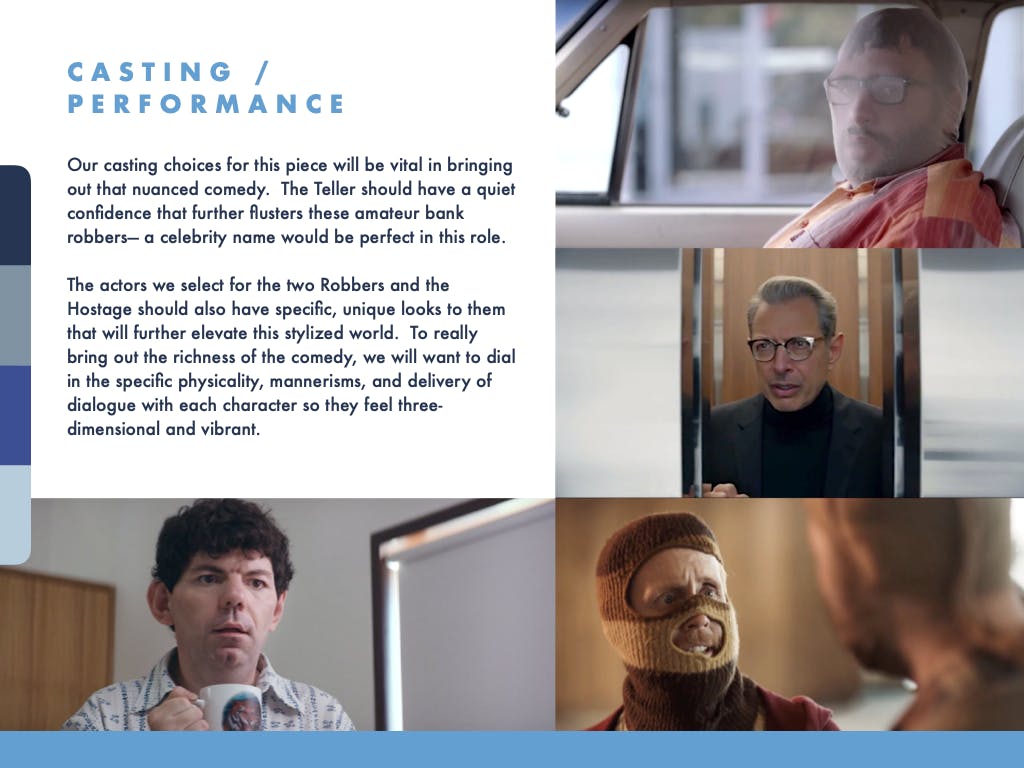
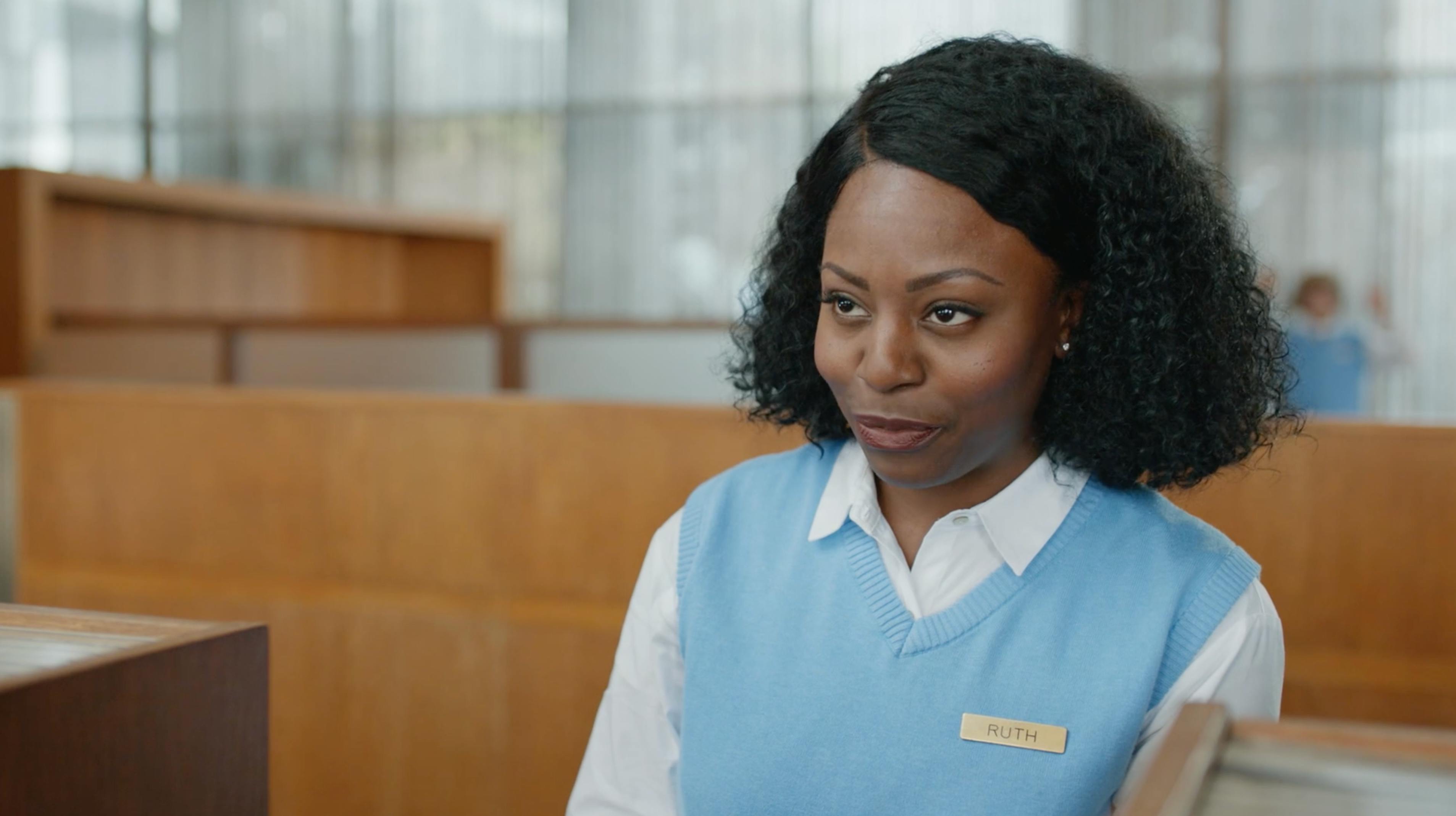
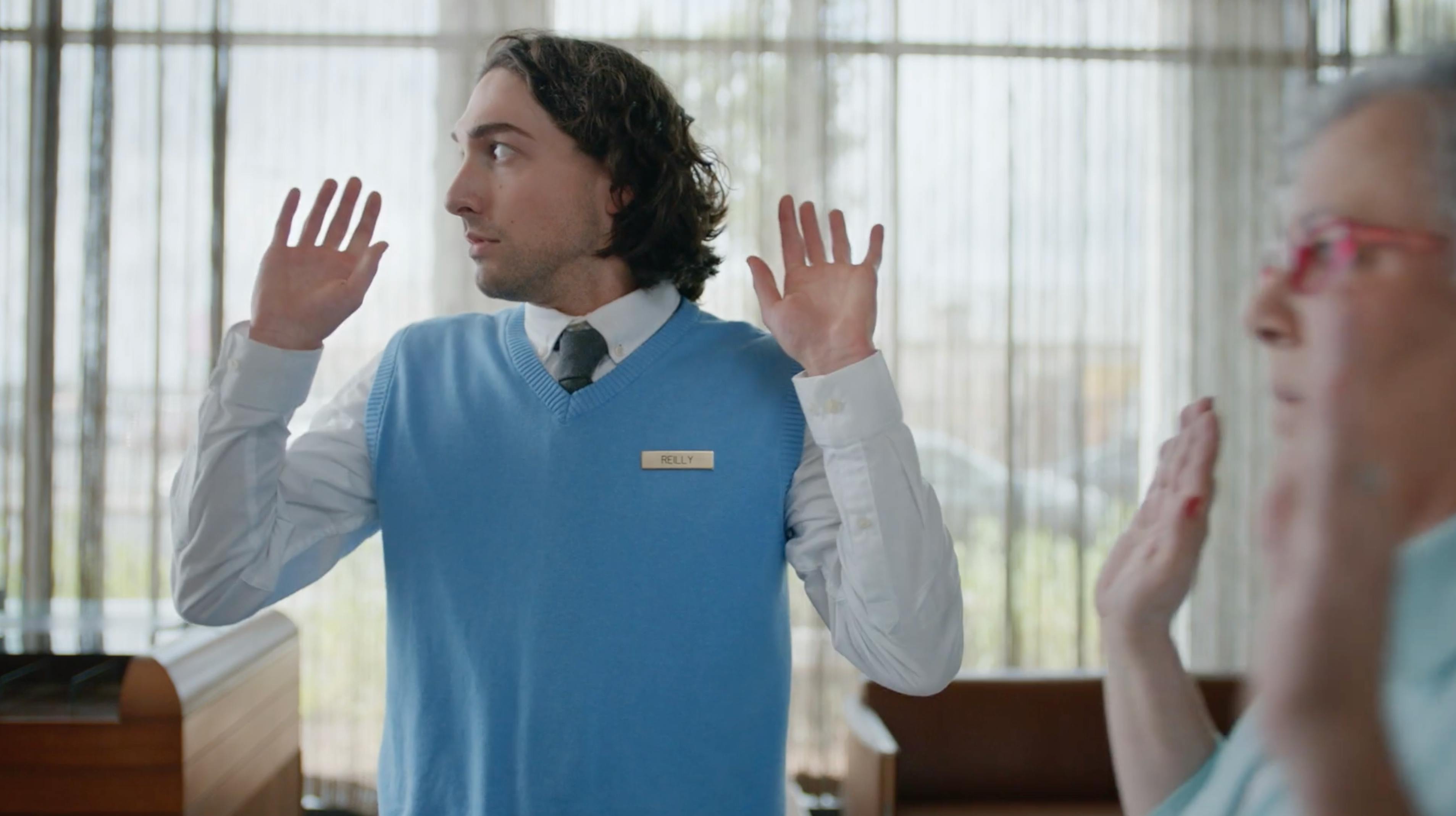
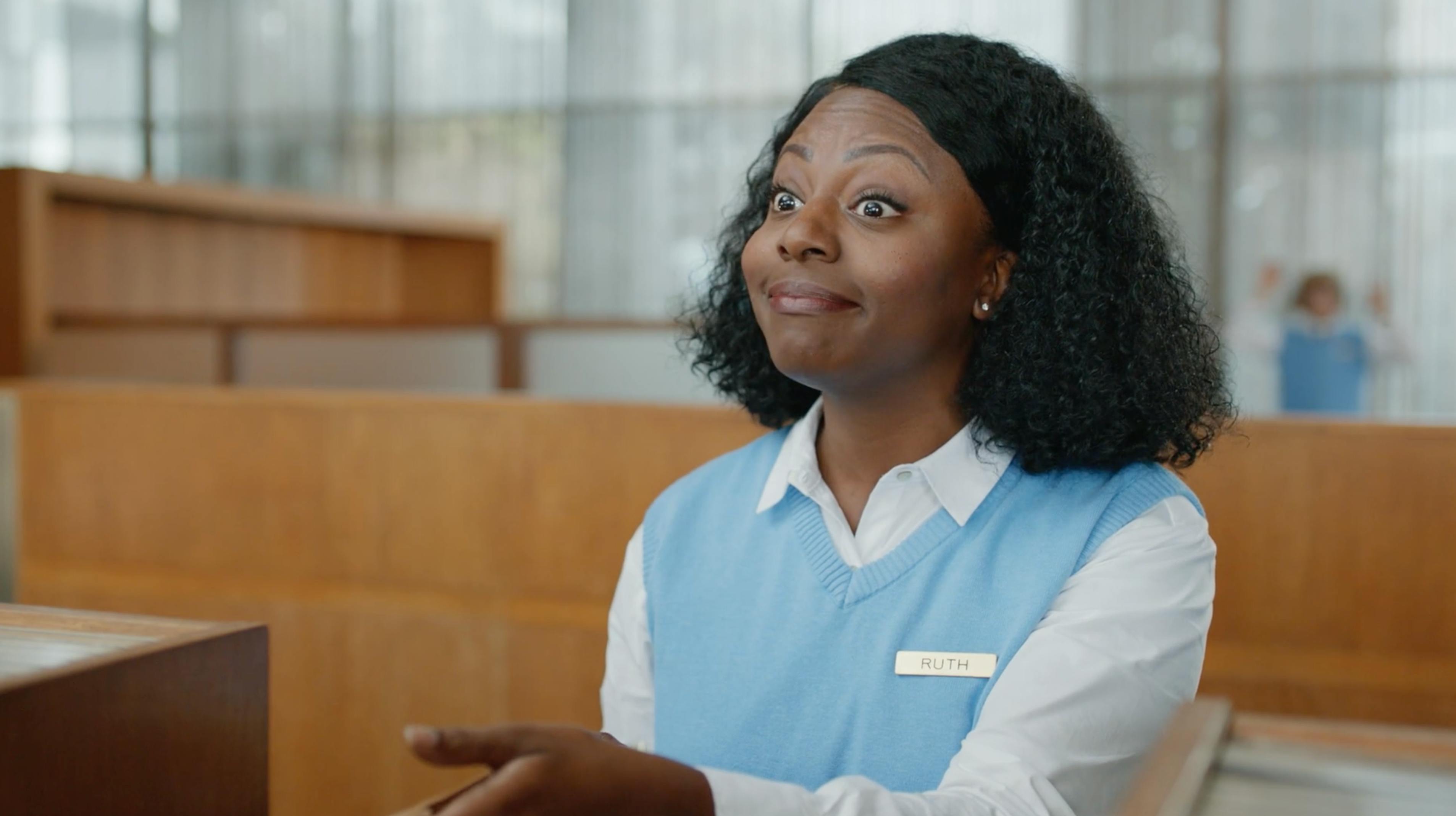
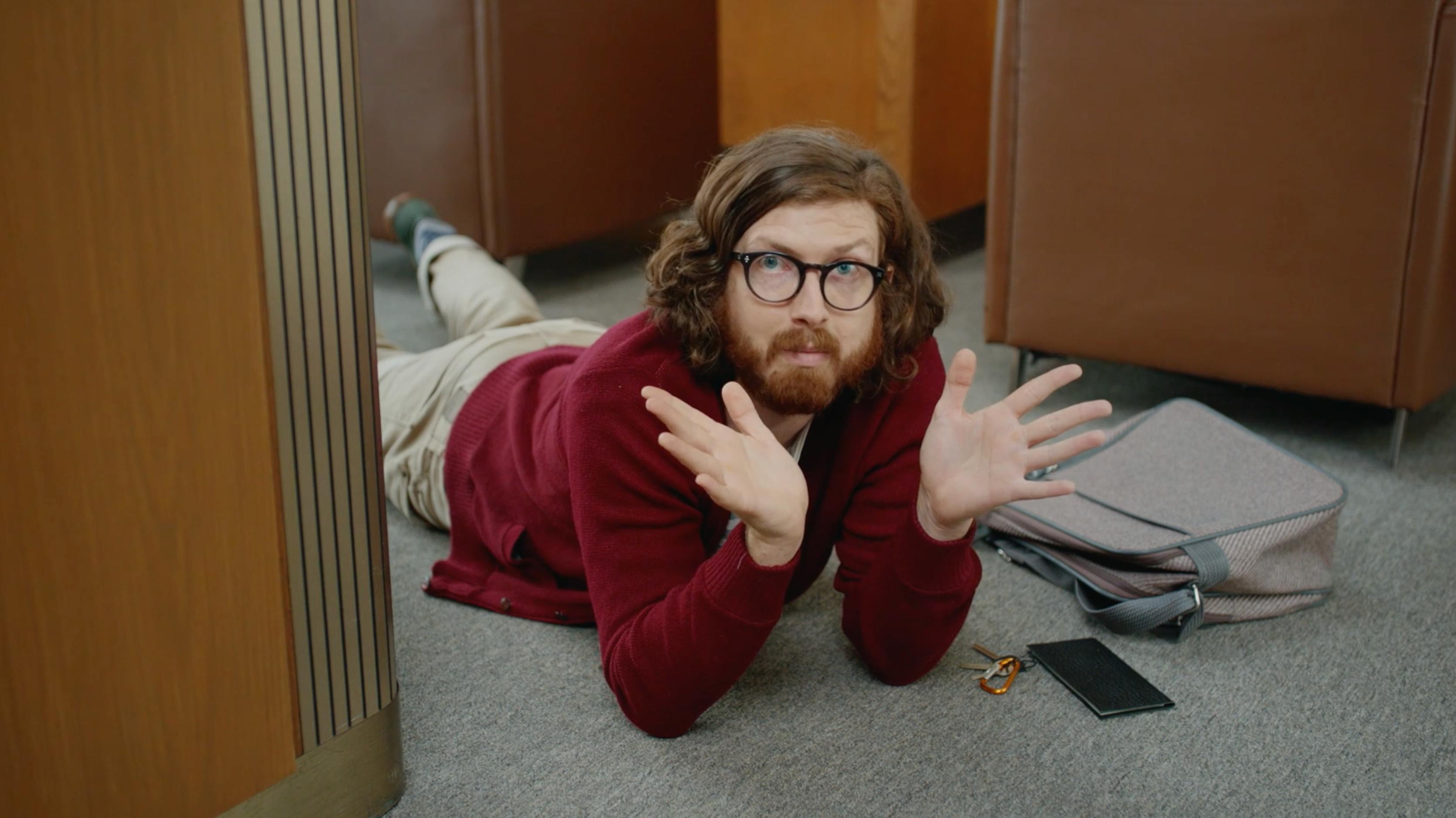
Wild / Factory’s longtime collaborator and LA casting partner Susan Demings assembled a slate of SAG‑AFTRA actors, including Dan Sachoff, Erin J. Duke, and Bo Barrett. Their performances, plus the background actors’ comic timing, create a world where Shatner’s antics feel organic, not forced. The “hostages” function as the audience’s stand‑in: unimpressed by the robbery, deeply interested in the better option.
Creative direction: hyper‑real comedy with a timeless bank
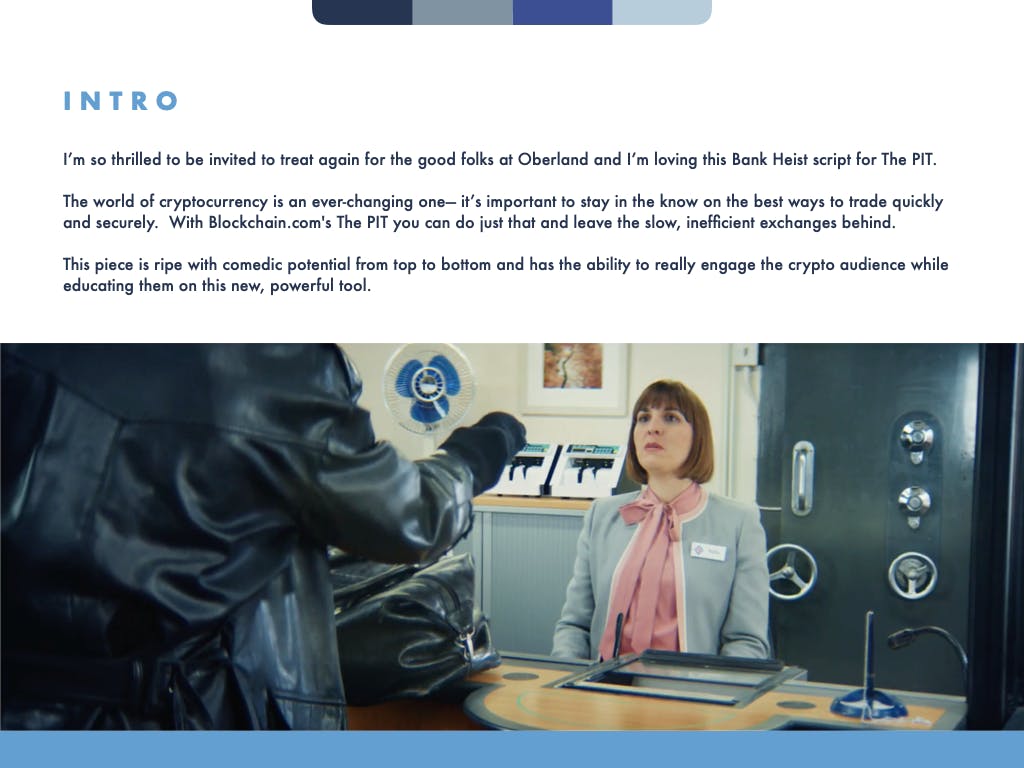
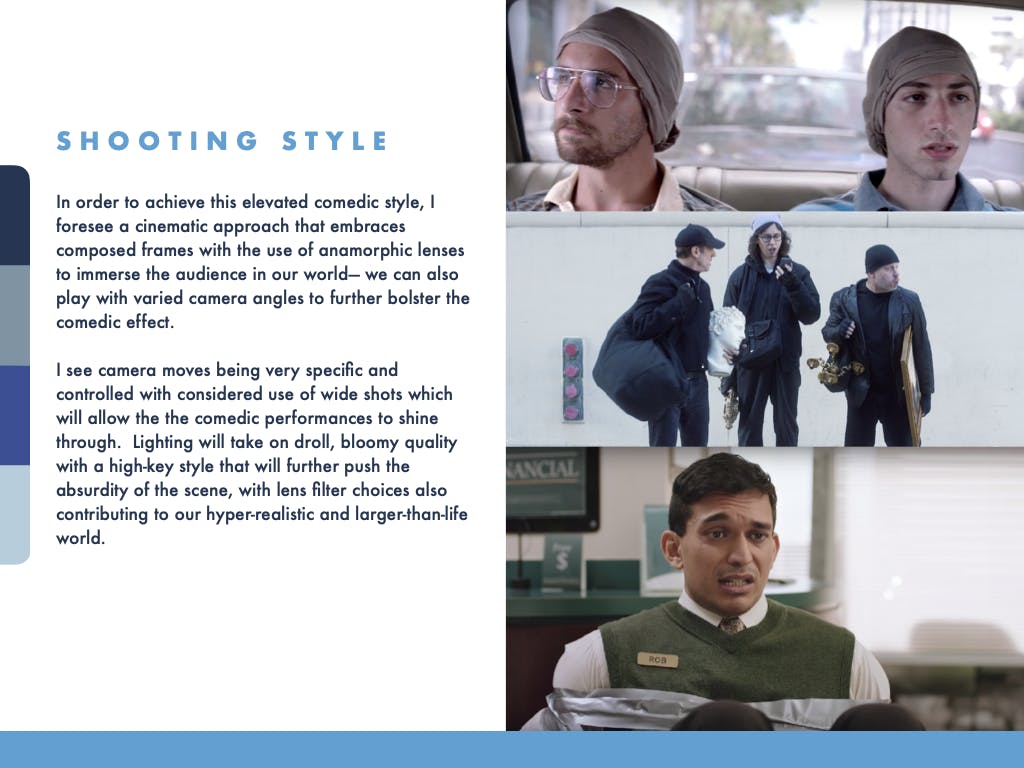
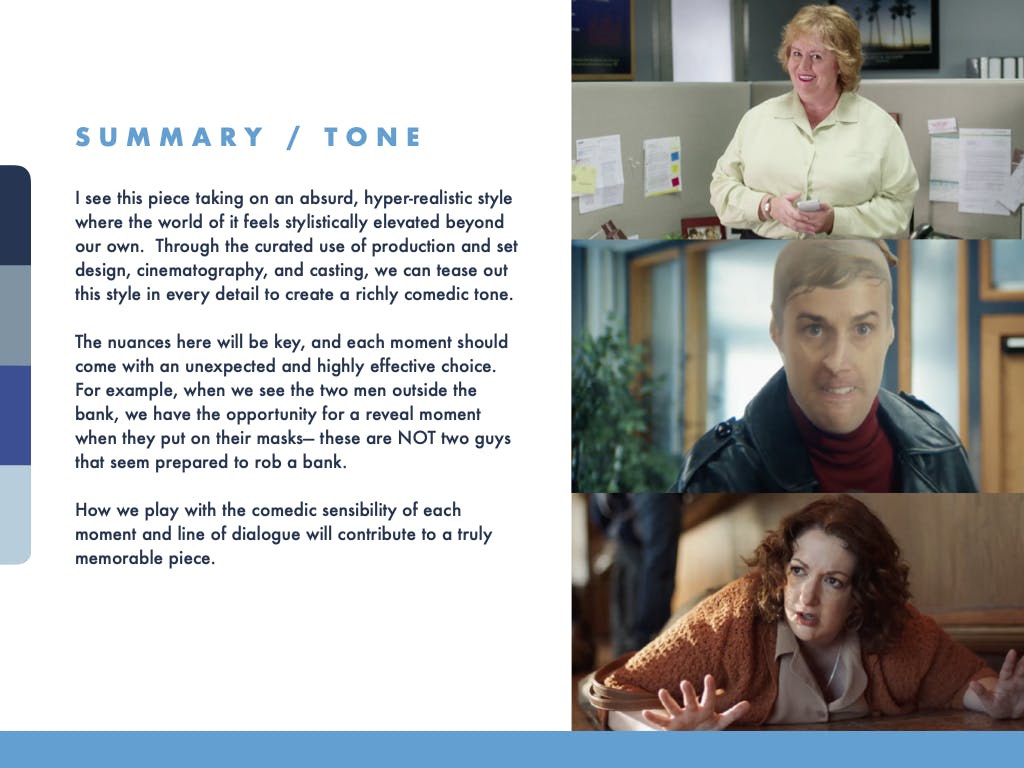
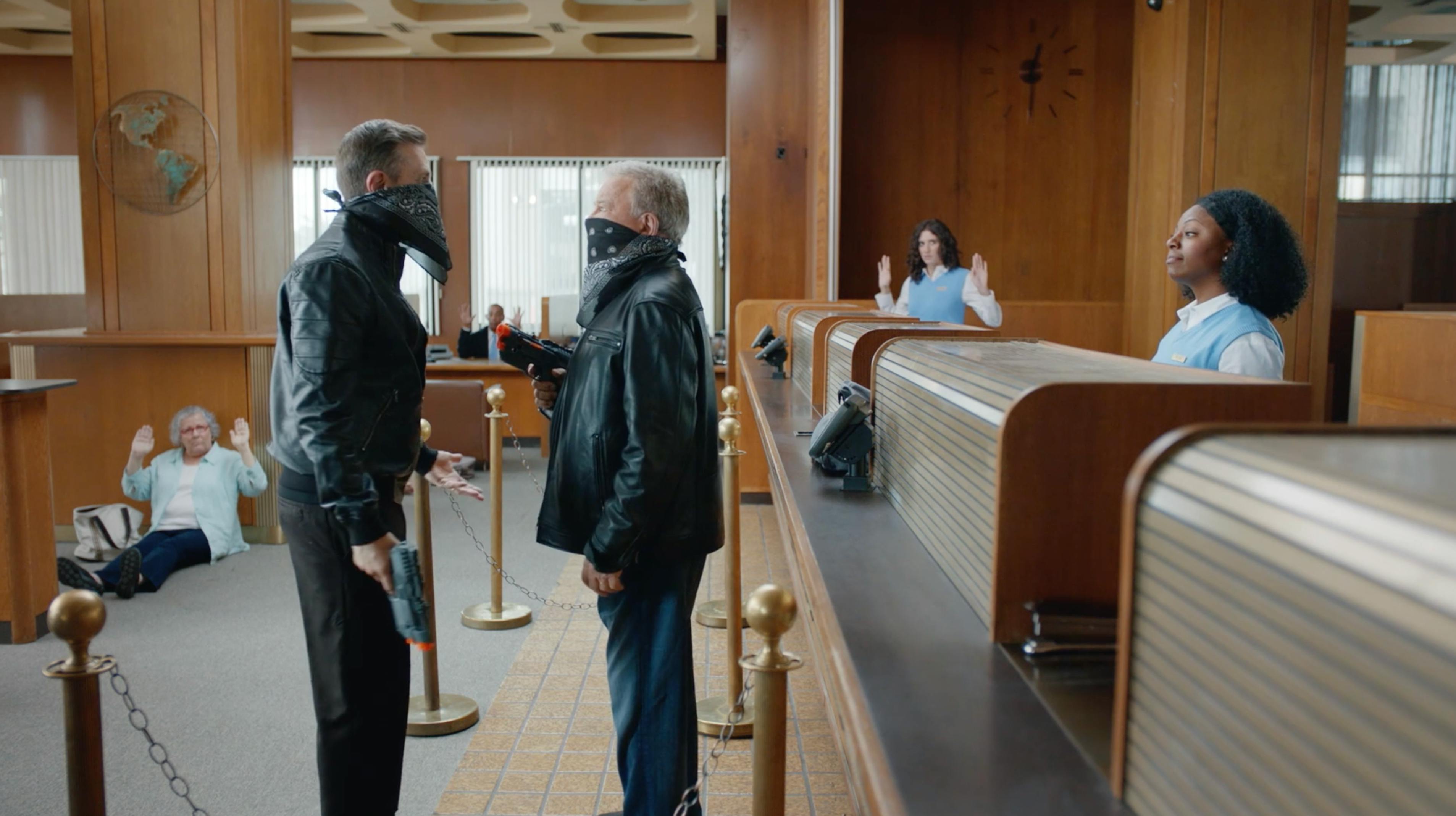
From the outset, Wild / Factory and Oberland committed to a visual language that would heighten the absurdity of the robbery without sacrificing cinematic polish. The spot is shot in a hyper‑realistic style elevated and stylized, but still grounded enough to feel like a parallel universe to our own.
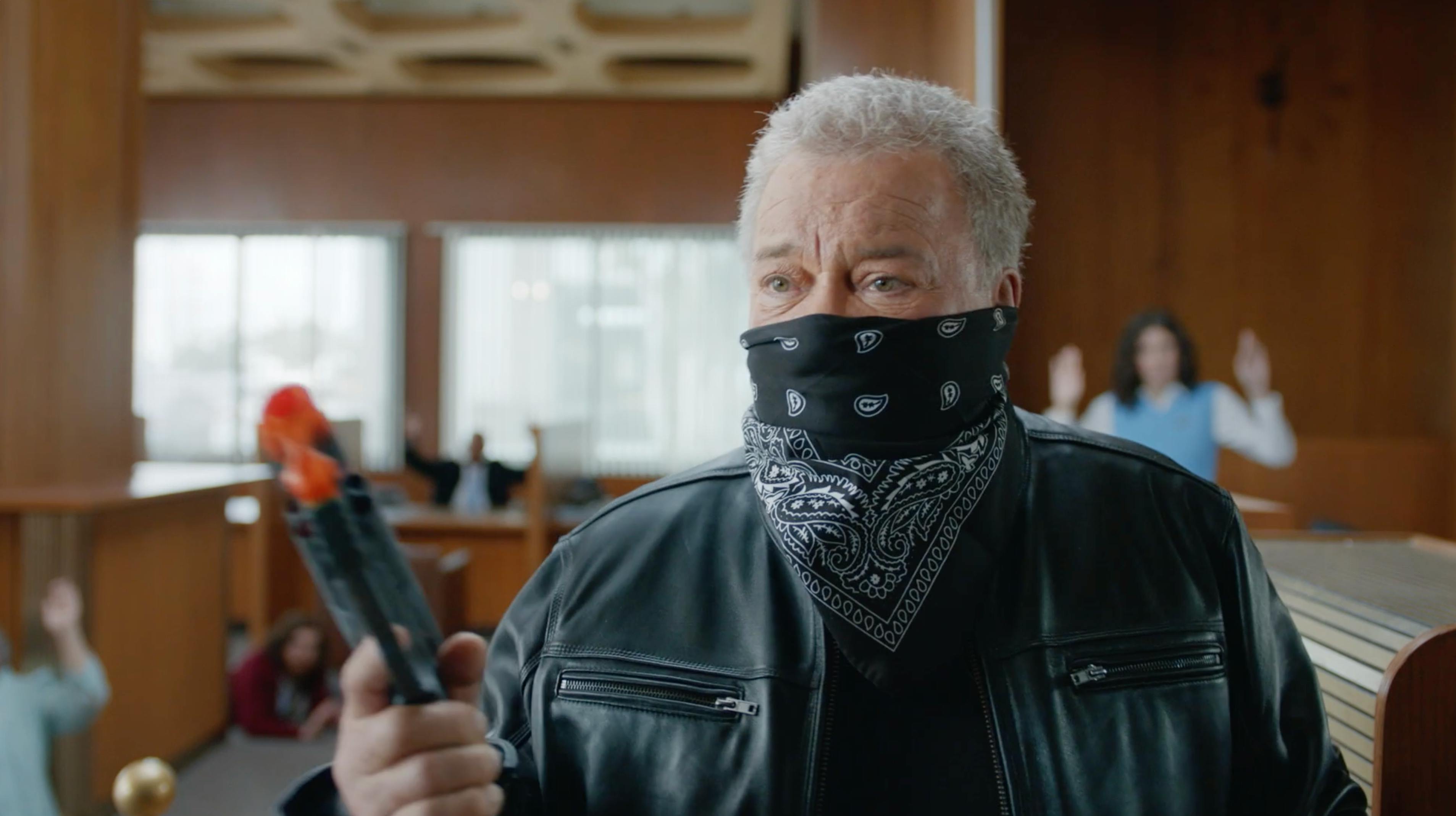
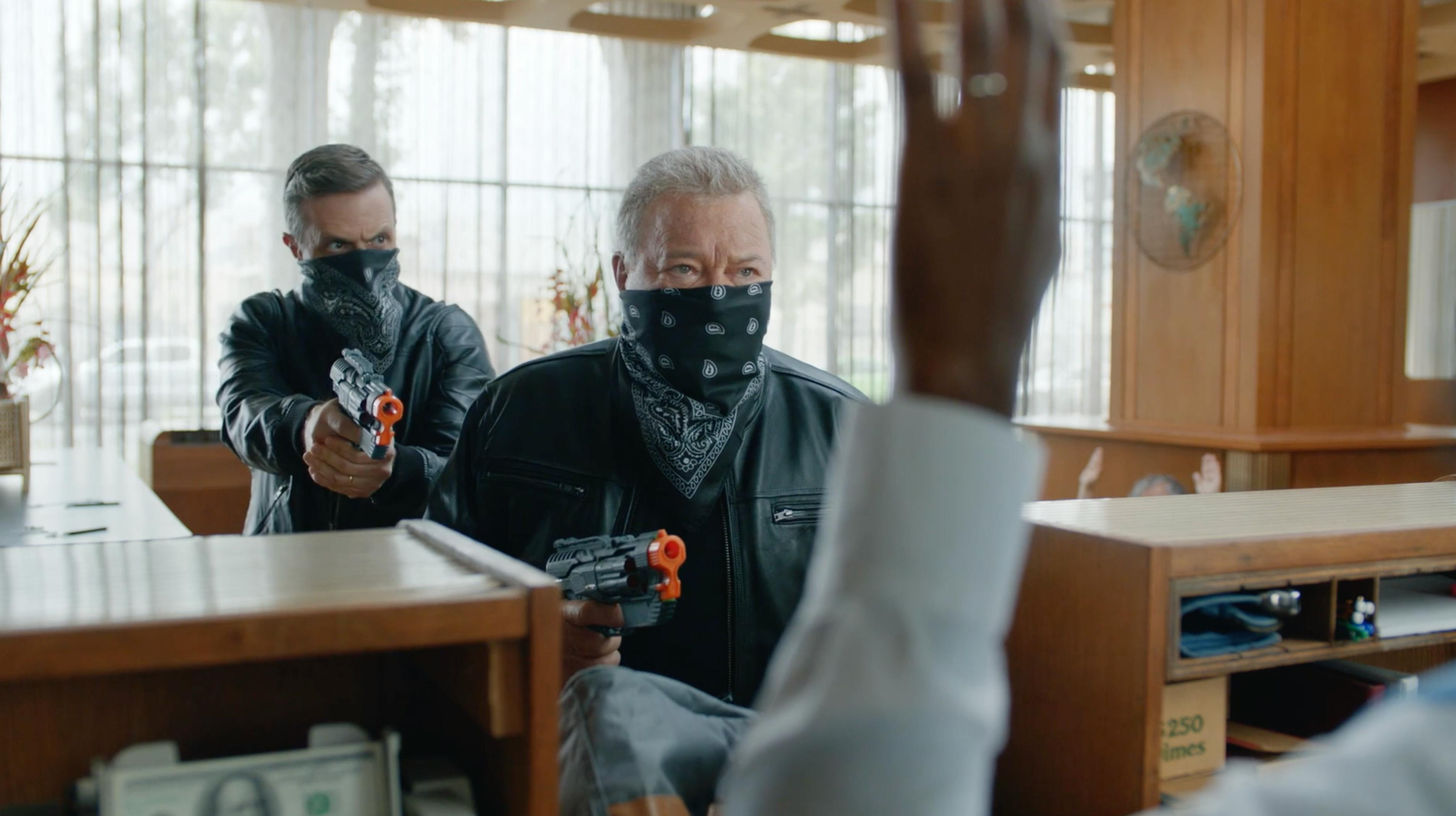
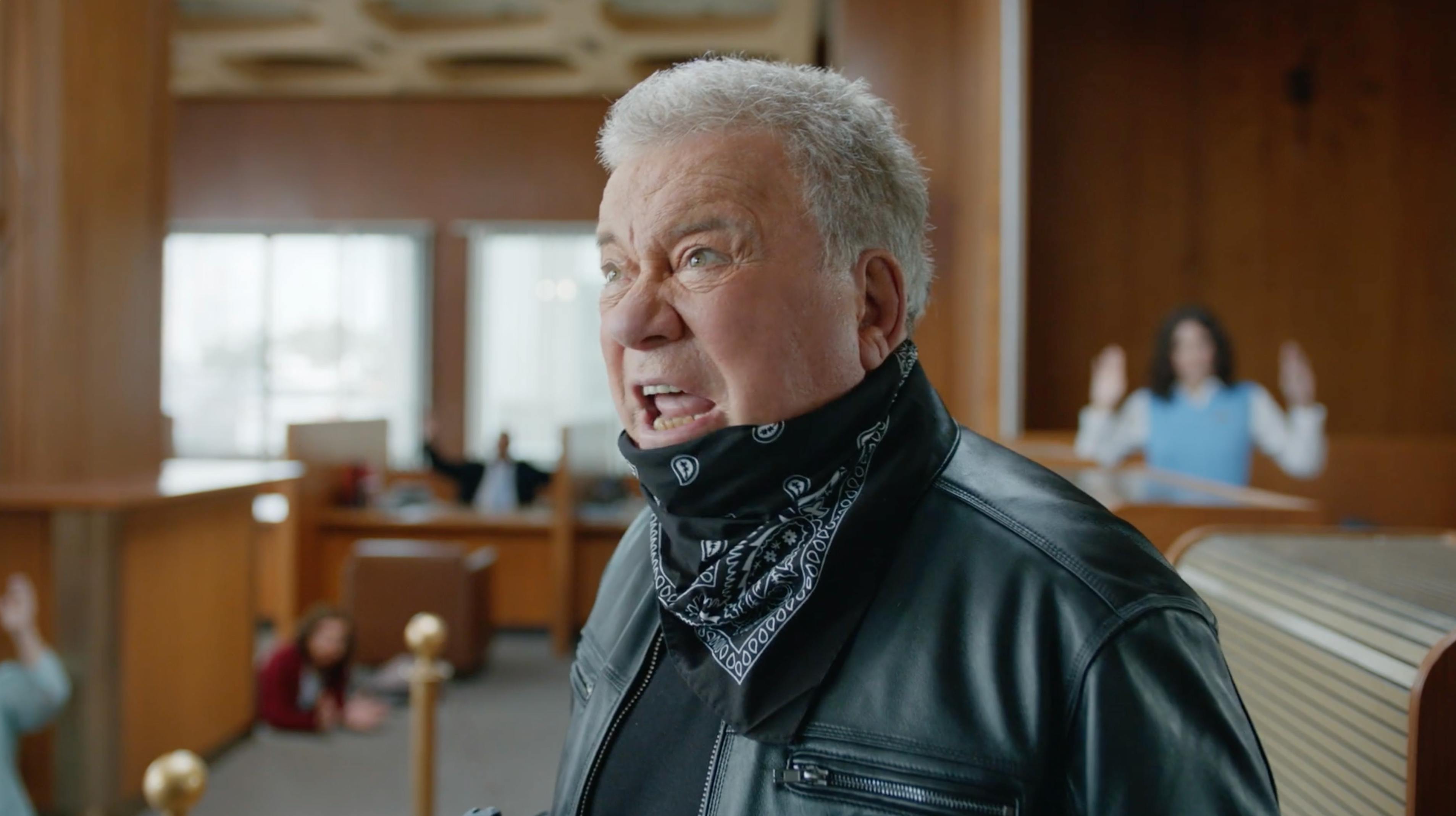
William Shatner and Dan Sachoff play two endearingly incompetent bank robbers whose bravado collapses the moment their hostages refuse to be scared. Their bumbling performances bounce off a roomful of skeptical, deadpan bank customers and staff, highlighting the ridiculous lengths some people imagine they have to go to secure their financial future. In this world, the only truly irrational move is ignoring a modern crypto exchange like The PIT.
The tone is carefully calibrated: visually serious enough to evoke a “real” heist movie, but performed and cut like a sitcom. That tension is what makes the jokes and the product message land.
Look + feel: an old‑world bank in a new‑world story
The production design does a lot of heavy lifting. The bank is intentionally styled to feel old‑fashioned and slightly out of time gorgeous ceilings, vintage accents, and a “lost‑in‑time” color palette that screams legacy finance. The wardrobe and blocking of background actors reinforce the feeling that this could be any bank from a few decades ago.
Into that world walks a script about crypto trading, real‑time execution, and digital portfolios. The clash is the point. By staging a goon‑ish, traditional bank heist in a setting that looks like it belongs to another era, the film makes a visual argument: the old way of thinking about money is over. If you’re still chasing cash the hard way, you’re living in the wrong decade.
Visual and tonal approach (director’s POV)
The finished film makes the director’s intent clear: shoot the bank like a real crime thriller, then populate it with comedic performances that undercut the drama.
Treatment pillars included:
Grounded camerawork: Classic bank‑heist blocking wide lobby shots, medium framings on the teller line, quick push‑ins as the revelation about The PIT lands. The camera treats the premise seriously so the jokes land harder.
Controlled chaos: Extras and hostages are carefully choreographed to feel like a “frozen” robbery that slowly thaws into a group conversation, emphasizing dialogue over action.
Color and production design: A slightly drab, traditional bank interior contrasts with the “newness” of the digital solution being pitched, reinforcing the old‑world/new‑world theme without VFX exposition.
Tonally, the ad leans into Shatner’s self‑parody, allowing micro‑moments mask slipping, exasperated reactions, deadpan replies to carry as much weight as the script.
Script architecture: joke, problem, solution
The script is built like a tight, three‑act play inside 60 seconds:
Act I – Setup (the heist)
Visual shorthand and minimal dialogue establish the robbery.
Stakes feel clear, but the tone is safe and comedic.
Act II – Reframe (the pitch)
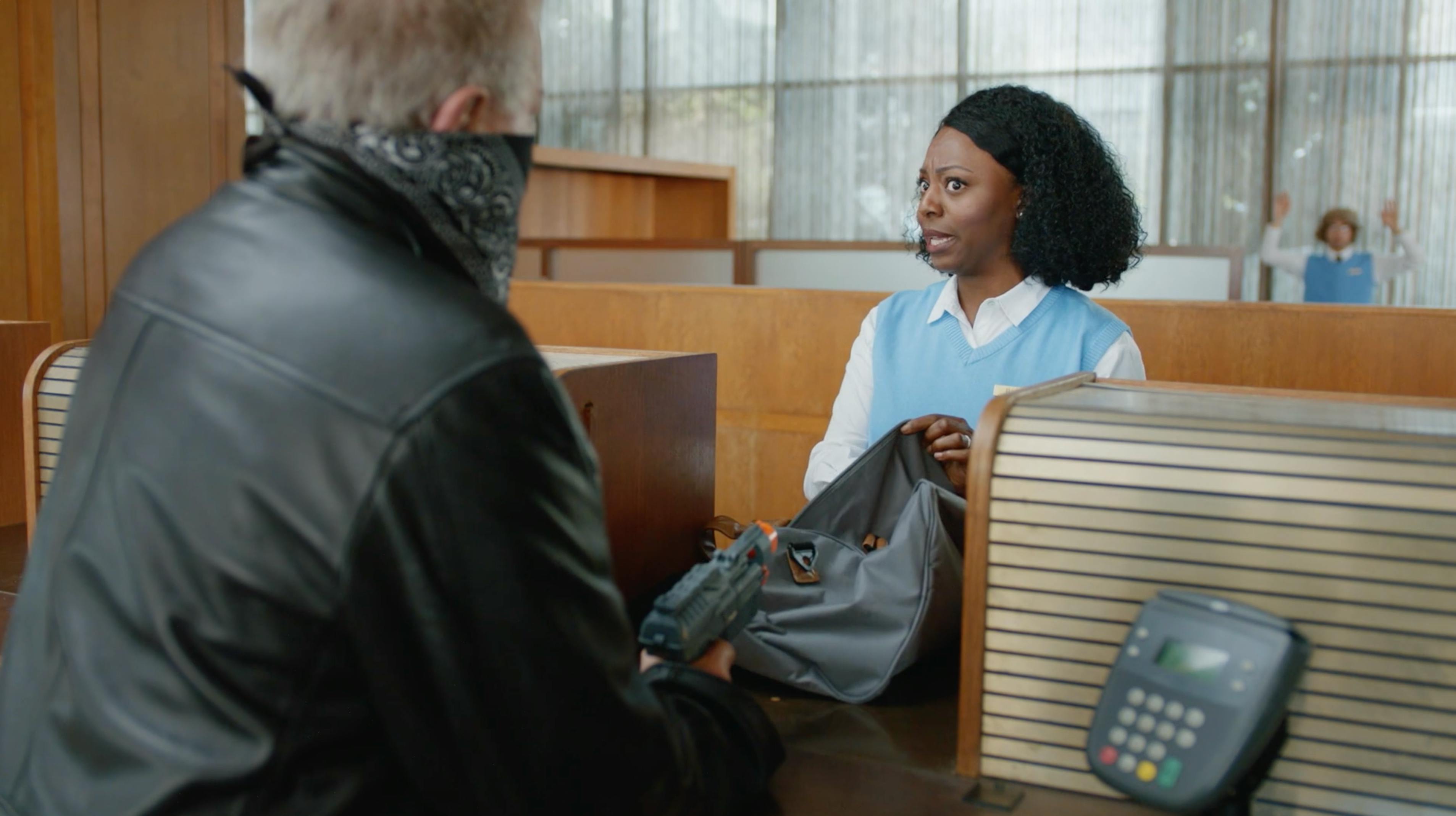
Teller and customers interrupt the crime with financial advice.
Shatner’s complaints about slow exchanges surface the core category problem.
Act III – Payoff (The PIT)
The PIT is named as the solution: fast, reliable, purpose‑built for crypto trading.
Tagline “Don’t get held up. Level up in The PIT” ties the robbery metaphor to the upgrade promise.
The spin‑class button adds human warmth and memorability.
The genius of the structure is that “education” is fully embedded in character dynamics no VO monologue, no product demo, no jargon.
Production challenges and solutions
Even at 60 seconds, staging a bank robbery with a celebrity lead is logistically complex. The creative and production teams had to juggle:
Celebrity schedule and performance demands: With limited time on set, Shatner needed material that was tightly scripted but open enough for improv. The solution is a dialogue‑driven script that puts him at the center of most shots and gives him space to riff while supporting actors carry expository lines.
Tone management: Using guns (even fake ones) in advertising requires careful handling; the toy‑like props, exaggerated behavior, and lack of real menace keep the tone clearly comedic and brand‑safe.
Category sensitivity: Crypto already carried scam associations; the team had to ensure the spot didn’t feel like it was trivializing money or security. The script addresses this by making the bank staff and customers rational, informed, and calm effectively endorsing The PIT as the sane option.
The result is a piece that feels big and cinematic but is essentially a single‑location, performance‑driven shoot efficient enough for a challenger brand, premium enough to stand out.
Location: finding a bank lost in time
With only a week to prep, the location had to do a lot of storytelling on its own. After an extensive search, the team landed on LAX Bank in Los Angeles, California. The space offered everything the treatment called for: high, ornate ceilings, marble textures, and vintage architectural details that instantly read as “traditional institution.”
Because the visual concept was built around a clash between old‑world banking and new‑world crypto, the bank itself became a character. Every frame reinforces that Shatner is trying to pull off a heist in a building that feels decades behind where finance is headed and that The PIT exists on the other side of that divide.
Production process: seven days from green light to action
On paper, the schedule was brutal: seven days of prep, one day of principal photography, a celebrity lead, and a highly choreographed ensemble scene. Wild / Factory leaned on its full pipeline creative, production, and post to compress what would typically be a multi‑week pre‑production into a single, tightly managed sprint.
Key moves in that week:
Casting and contracts: Fast‑tracking negotiations and SAG‑AFTRA paperwork for Shatner and the ensemble, while still leaving room for performance‑driven nuance on set.
Location scouting and permitting: Locking LAX Bank, securing permits, and pre‑visualizing camera positions and blocking so the space could be used efficiently on the day.
Wardrobe and production design: Building a look that leaned into the bank’s vintage feel and visually separated the “goonish” robbers from the more grounded hostages.
Behind the scenes, Wild / Factory also set up in-house post‑production editorial workflow in advance edit, color, sound, and conform.
Media strategy and rollout
The ad ran as part of a broader awareness push around The PIT’s launch, anchored by online video distribution and PR. Industry outlets and fan press covered the spot as both a crypto story and a pop‑culture moment—“William Shatner robs a bank to pitch a crypto exchange” earning attention beyond typical finance media.
Key elements:
Placement on YouTube and across owned/earned channels to reach both crypto‑curious consumers and the broader tech‑savvy audience.
PR seeding to marketing and entertainment publications, which amplified the creative angle and Shatner’s involvement.
Leveraging Shatner’s existing association with blockchain initiatives to underline authenticity.
Even without disclosed performance metrics, the campaign clearly succeeded in delivering what early‑stage crypto brands desperately need: memorable differentiation and a simple, repeatable message.
Brand impact and industry reception
Trade press framed the ad as a standout in the crypto category, praising its willingness to keep things “extremely silly” while hammering home the value proposition in plain English. Commentators highlighted three wins:
Crypto framed as mainstream, not niche, by situating the story in an everyday bank with everyday people.
Technical benefits (“fast and reliable”) communicated through dialogue instead of specs.
A celebrity presence that feels genuinely invested in blockchain rather than opportunistic.
For Blockchain.com, the spot helped reposition the company from “wallet tool” to full‑stack crypto player with a flagship exchange and did so with a single line that’s easy to remember and easy to iterate on in future work.
Lessons for marketers and video producers
The Shatner–The PIT case crystallizes several principles for brand, agency, and production teams:
Pick one pain point and exaggerate it: “Slow, clunky exchanges” became a literal holdup, making the abstract frustration tangible and funny.
Use talent where they’re strongest: Shatner’s self‑aware persona and real crypto interest did more for the brand than a generic, earnest testimonial ever could.
Stay non‑technical in technical categories: Keeping the spot focused on speed, reliability, and ease gave it a shot at mass‑market comprehension.
Design for a single location, multiple moments: One bank set, tightly scripted beats, and strong casting proved enough to sell a global platform.
If you’d like, I can now rewrite this as a more SEO‑optimized, headline‑driven Ad Age feature (with subheads like “Inside the Heist,” “Why Shatner, Why Now,” and “What Crypto Marketers Can Steal From This Spot”) tailored to the exact tone you want.
79
Episodes of Star Trek with Captain James T. Kirk
356,350
Unique followers on YT gained from this ad
90
Age when William Shatner travelled into space
William Shatner, a botched bank heist, and the launch of The PIT
When Blockchain.com set out to launch The PIT, its high‑speed cryptocurrency exchange, it had a tough brief: convince a skeptical public to care about yet another trading platform without drowning them in jargon. The solution was to hand the mic and a toy gun to William Shatner, drop him into a gloriously incompetent bank robbery, and let comedy do the heavy lifting.
In a campaign developed with award‑winning agency Oberland and produced by Wild / Factory, Shatner stars as the man behind a goofy, bungled bank heist that quickly turns into a group intervention about smarter ways to build wealth. The spot’s job is simple: introduce The PIT as a fast, reliable, hassle‑free way to trade crypto, while poking fun at outdated financial habits and institutions.
With just seven days of prep, Wild / Factory pulled together a one‑day shoot at LAX Bank in Los Angeles, turning a single location into a cinematic, character‑driven stage for Blockchain.com’s biggest product launch yet.