Sports + Fashion "A Course In Style" with Justin Rose for Bonobos
Bonobos
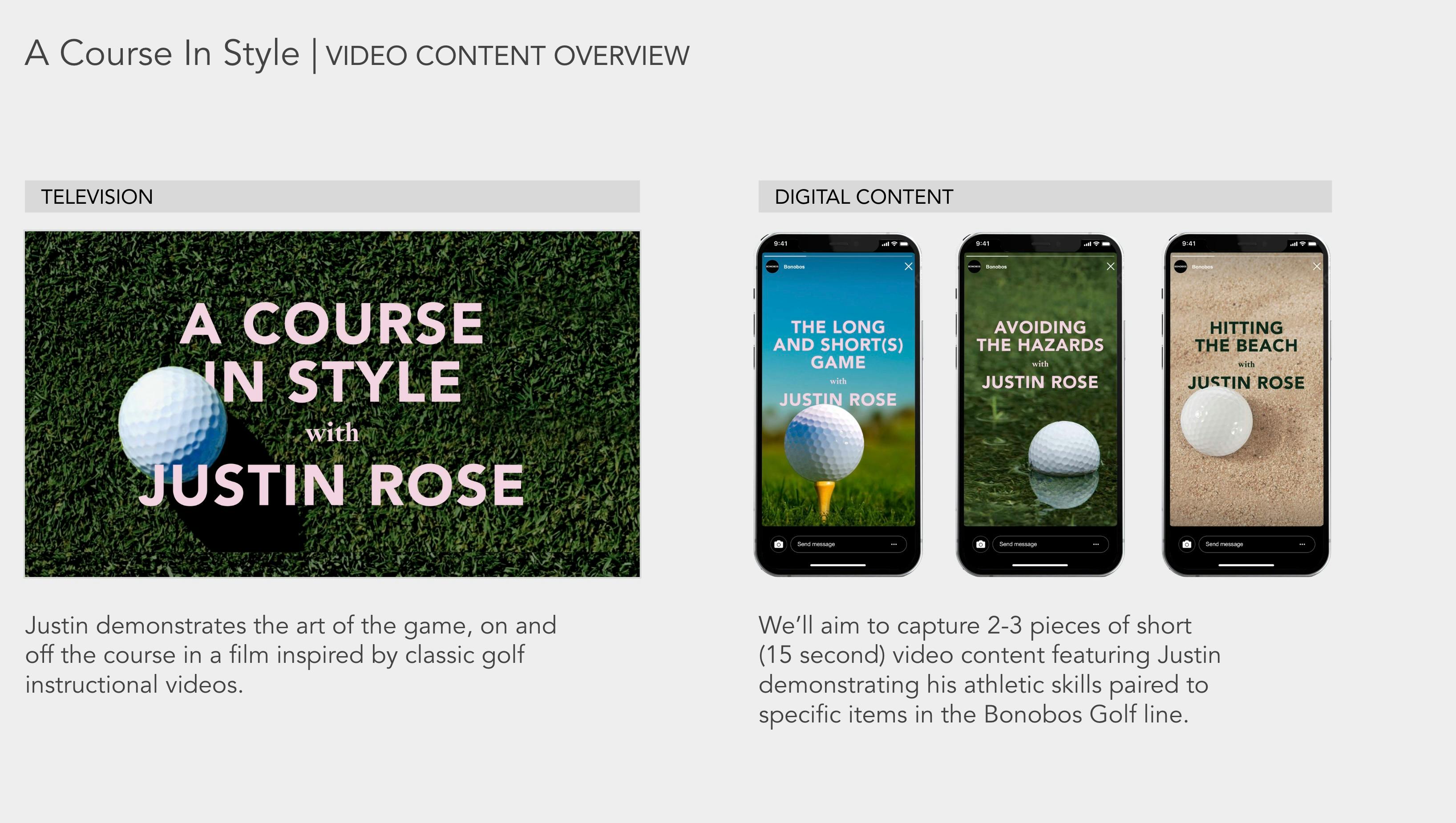
A Course In Style with Justin Rose
Director
Evan Ari Kelman
Year
2023
Director
Evan Ari Kelman
Year
2023
Type
Commercial, Social
Industry
Fashion, Sports
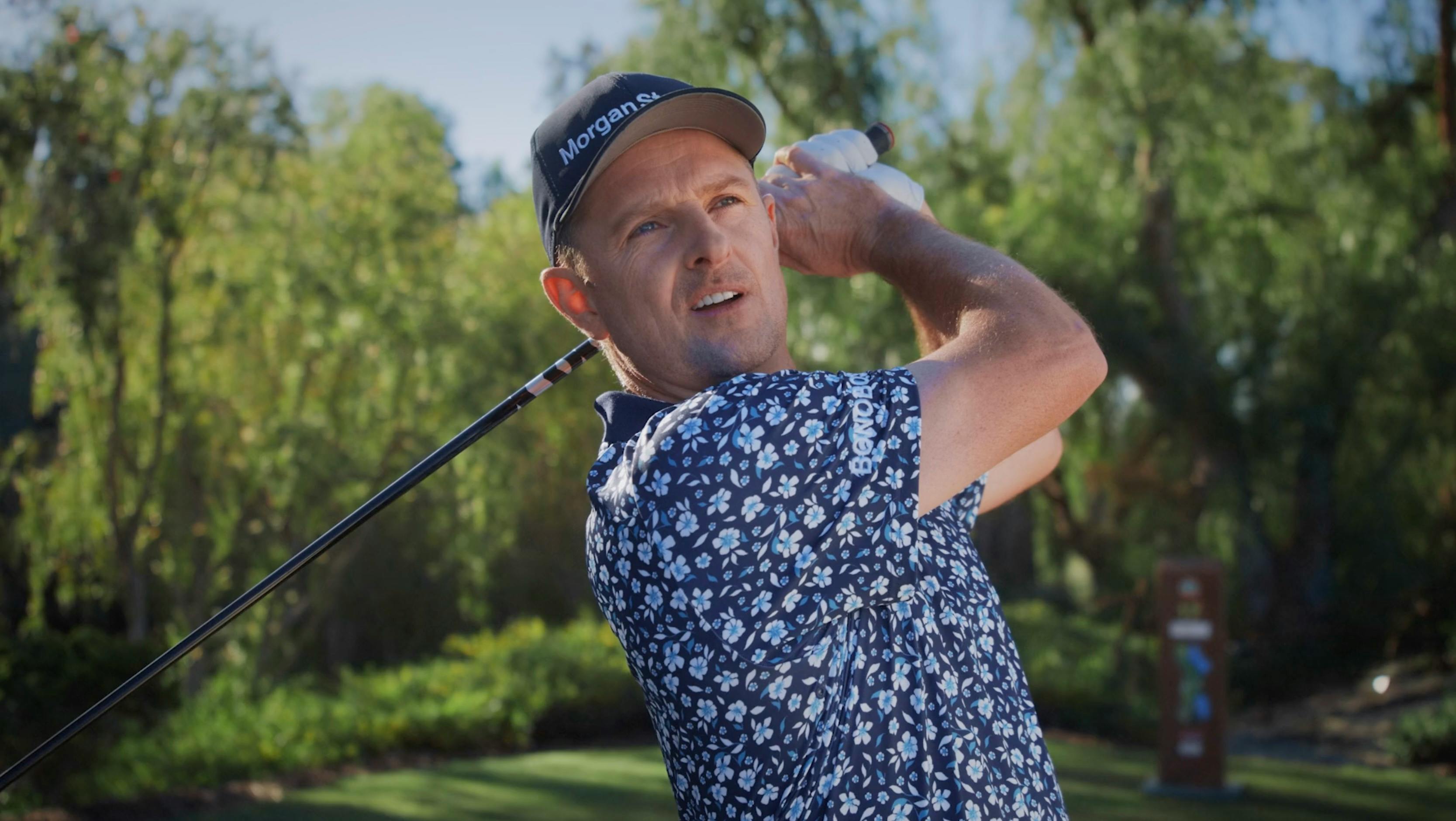
Case study of Bonobo's “A Course In Style” campaign
Bonobos’ Justin Rose campaign shows how a heritage‑coded sport, a modern menswear brand, and social‑first video can collide to create a breakout golf apparel story.
Campaign overview
Bonobos partnered with longtime brand ambassador and major champion Justin Rose to spotlight its golf line, positioning the brand at the intersection of high performance and effortless style. Across multiple executions TV, social‑first branded content, and capsule launches the work reframed Rose not just as a tour winner, but as a style translator for a new generation of golfers.
The core objectives were to:
Differentiate Bonobos in a crowded golf apparel category
Make its product “wearable on and off the course” feel tangible, not just tagline‑deep
Tap into golf’s growing fashion conversation across TikTok, Instagram, and sports media
Creative idea: teaching style, rewriting history
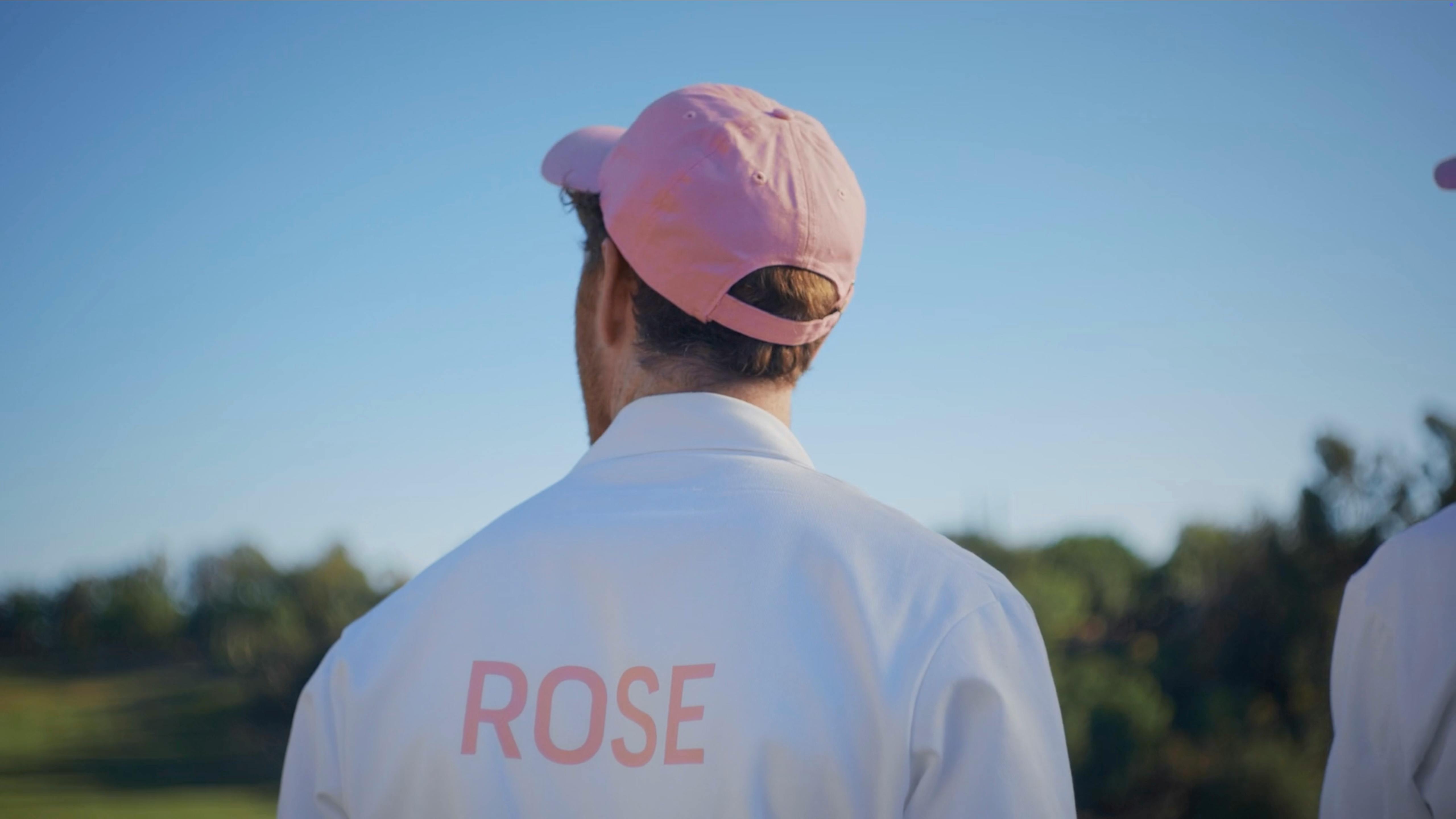
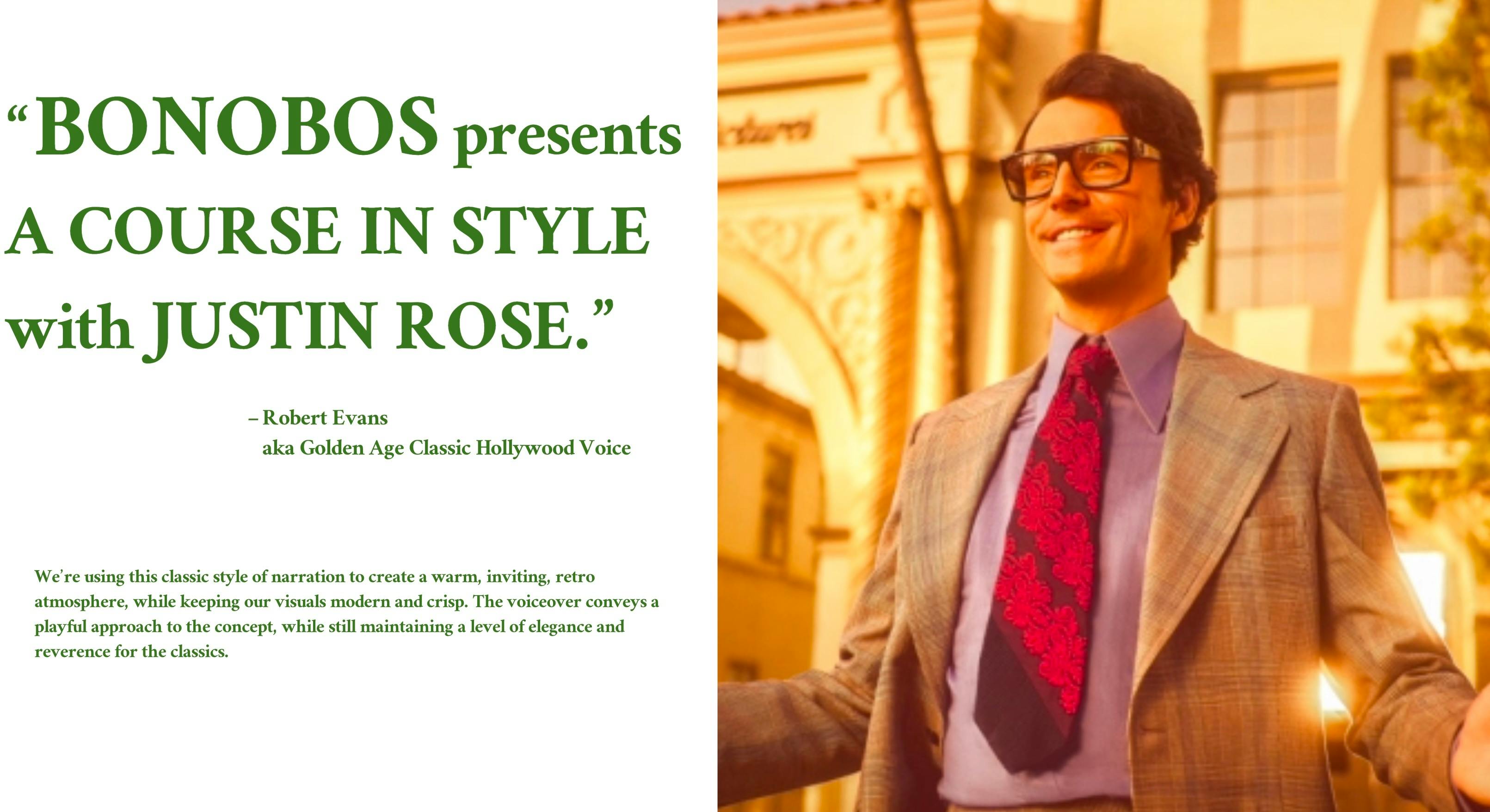
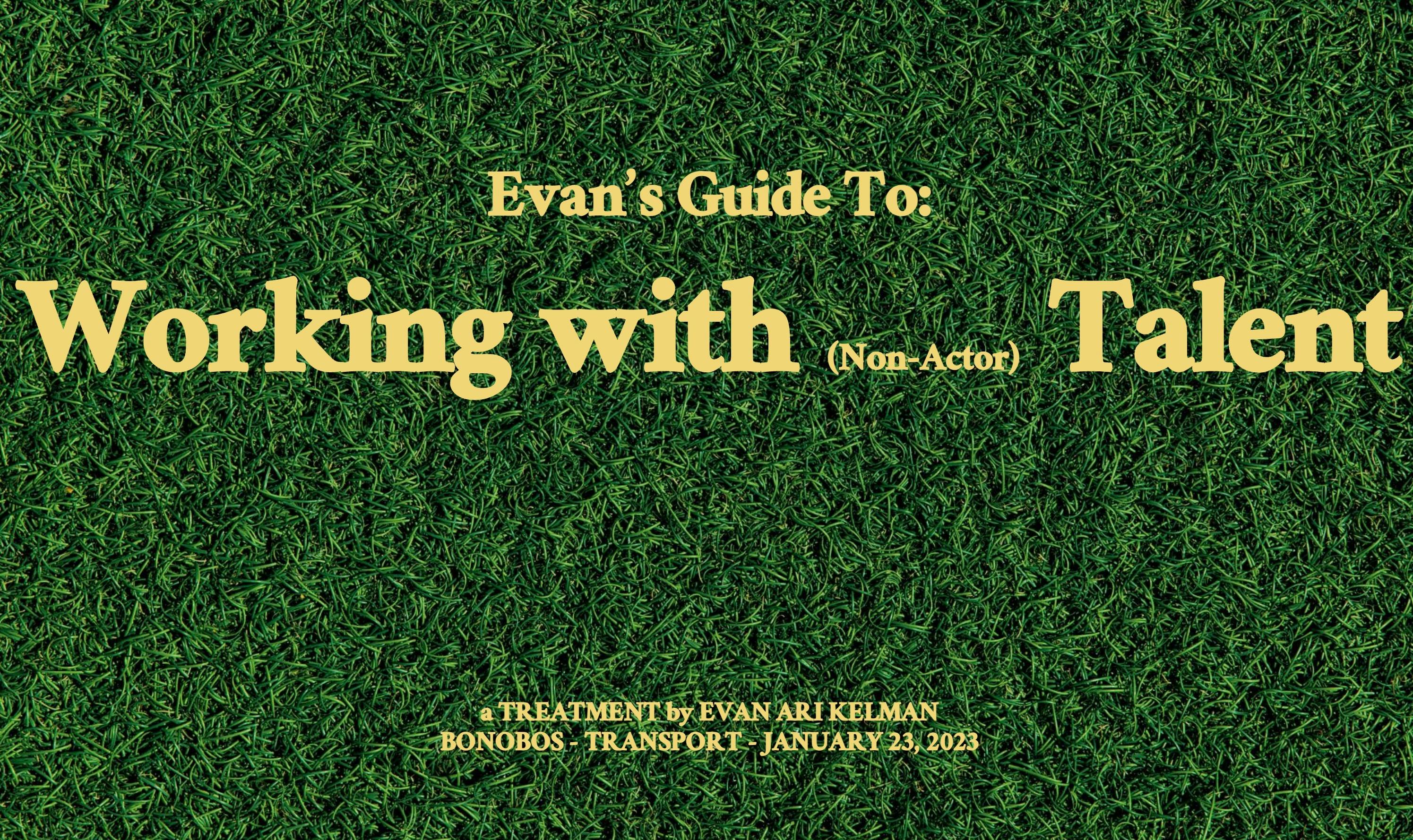
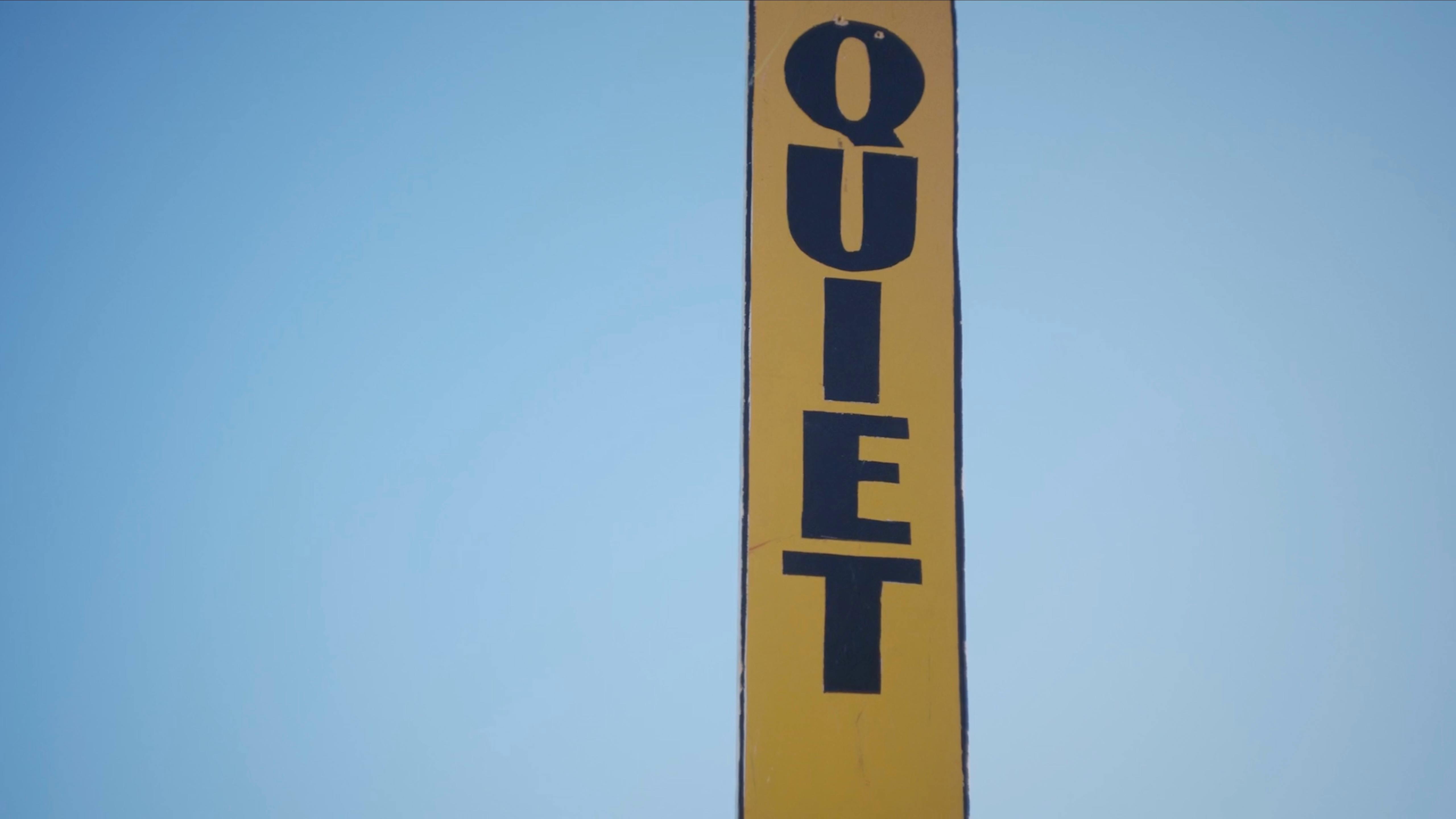
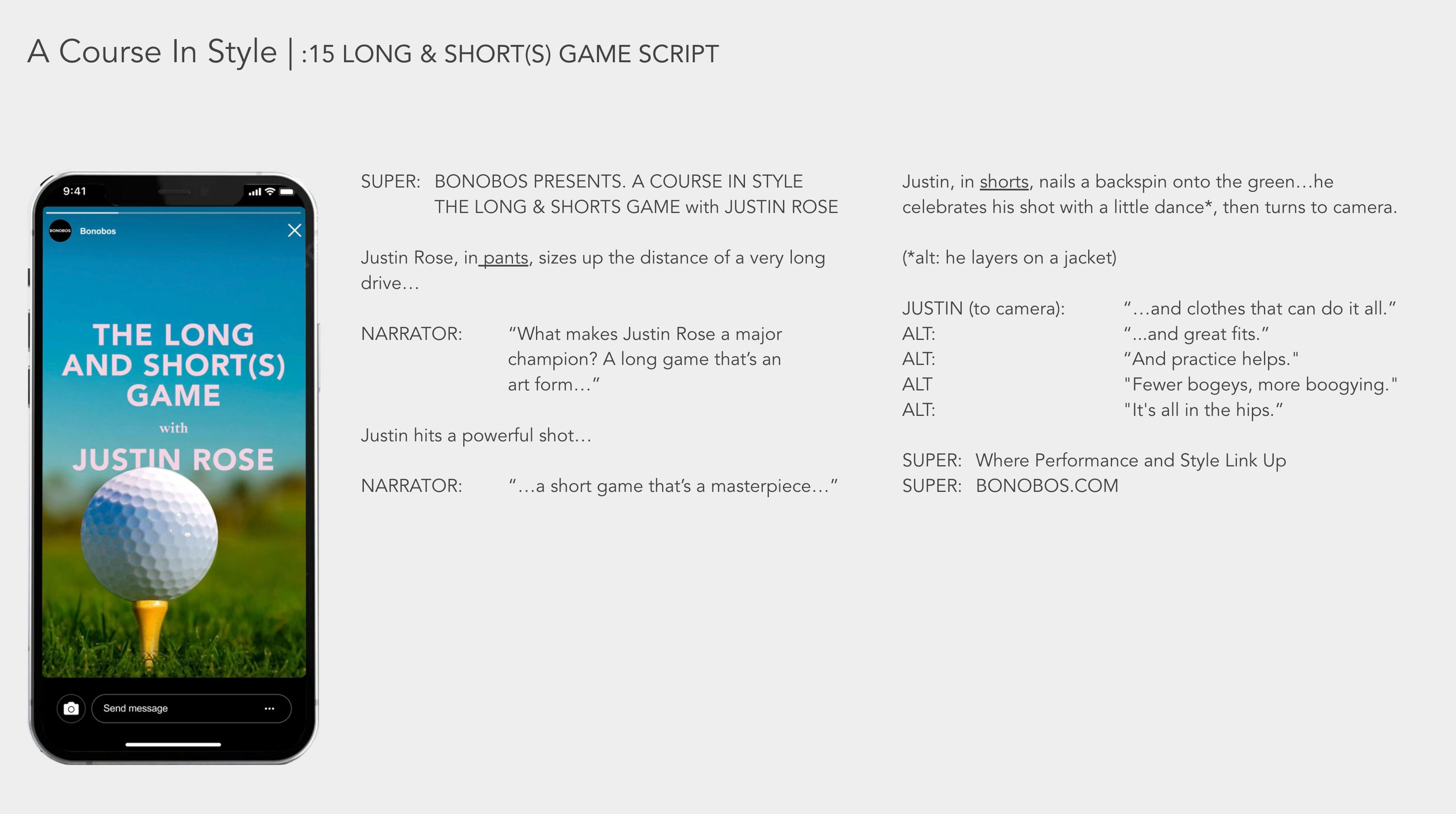
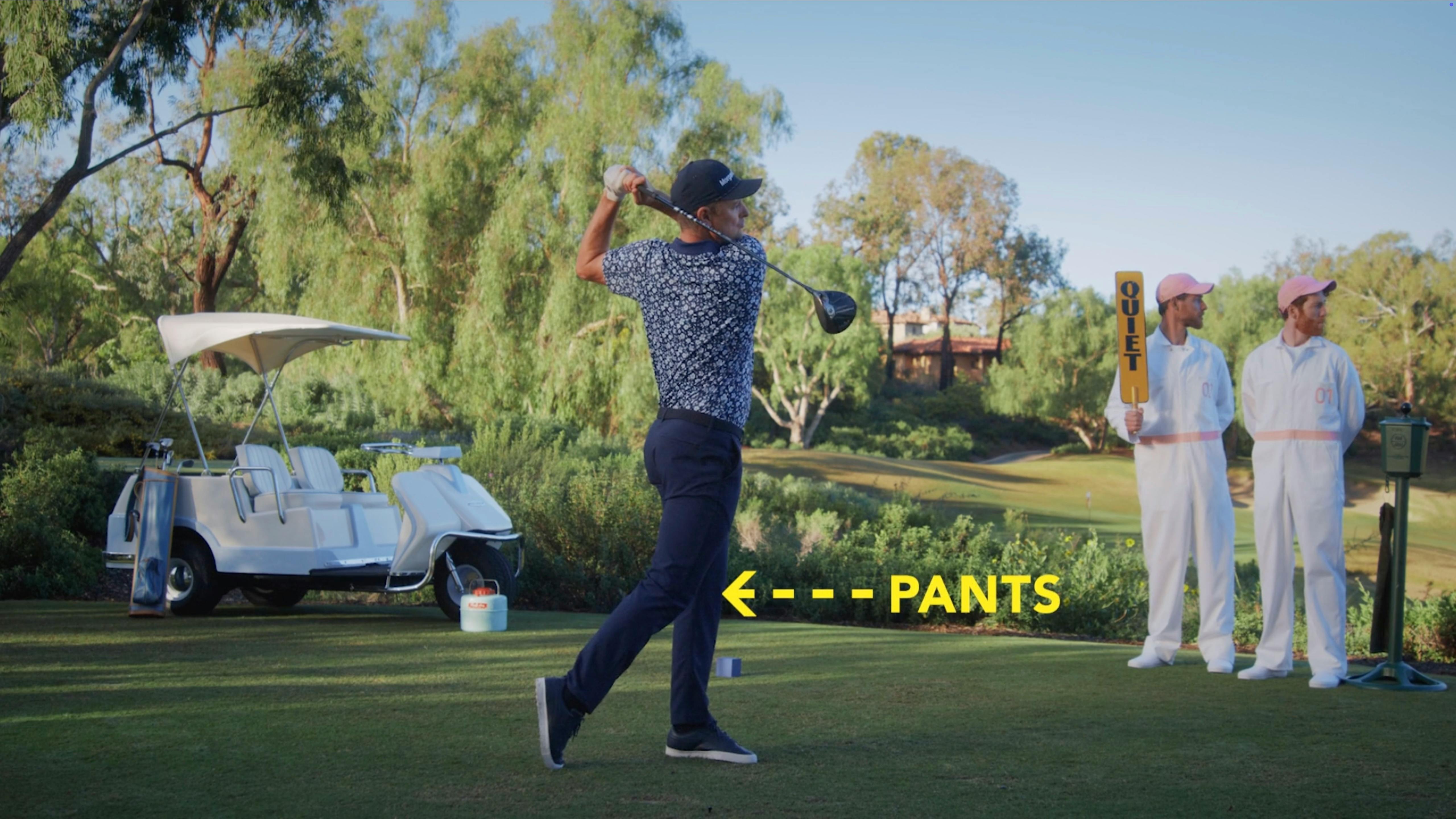
The TV spot “A Course In Style” casts Justin Rose as a low‑key professor of modern golf fashion. As a narrator recaps his champion resume, a caddie raises a “quiet” sign a visual gag that frames Rose’s style as something you should pay attention to, not just his swing.
The creative idea: treat apparel as part of Rose’s competitive toolkit, while winking at golf’s tradition of hushed commentary and rigid dress codes.
“Decades of Drip”
The social‑first hero of the broader campaign is “Decades of Drip,” a CBS Sports x Bonobos branded series built around a simple, addictive concept: put Justin Rose in a golf‑gear time machine.
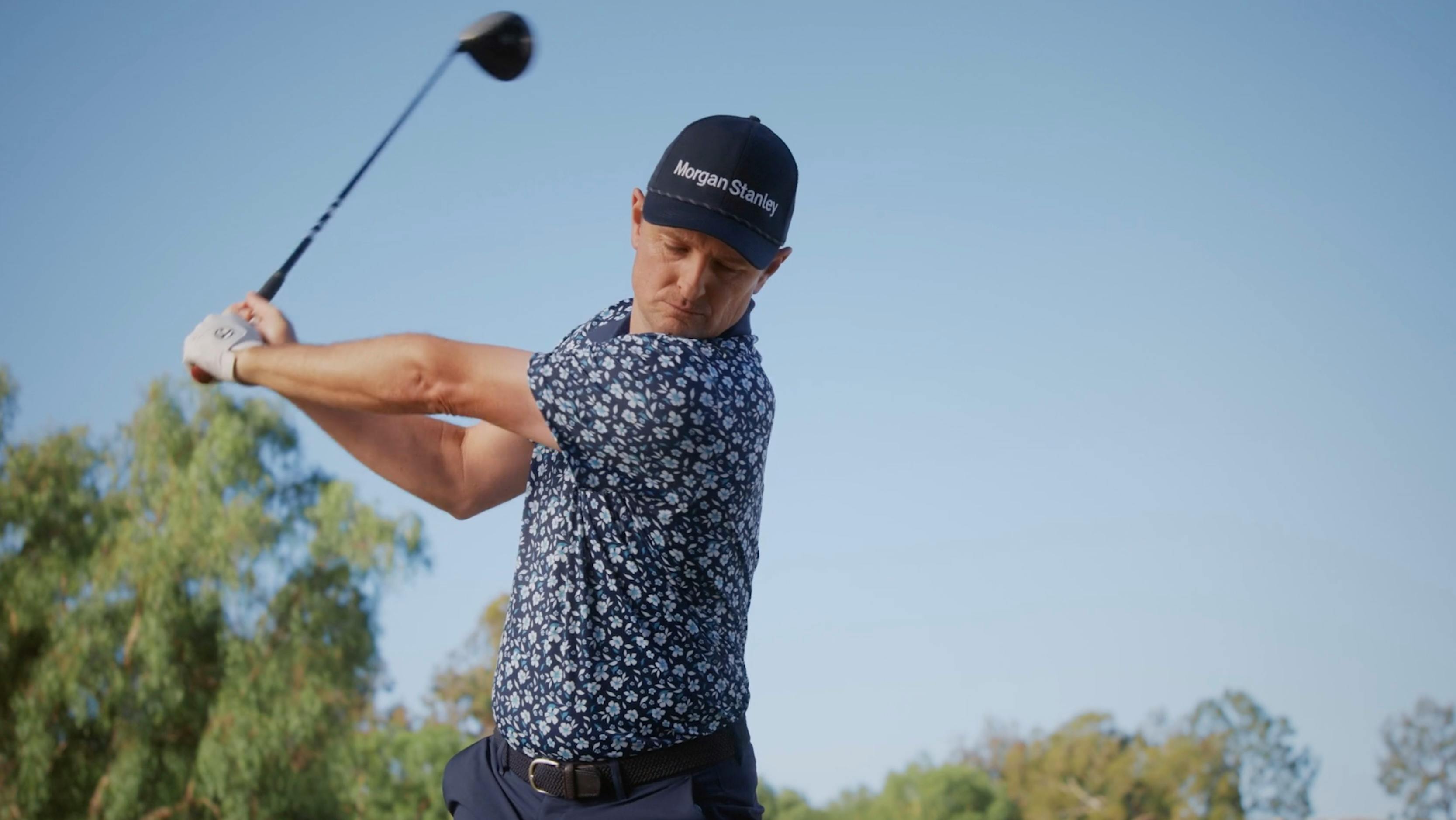
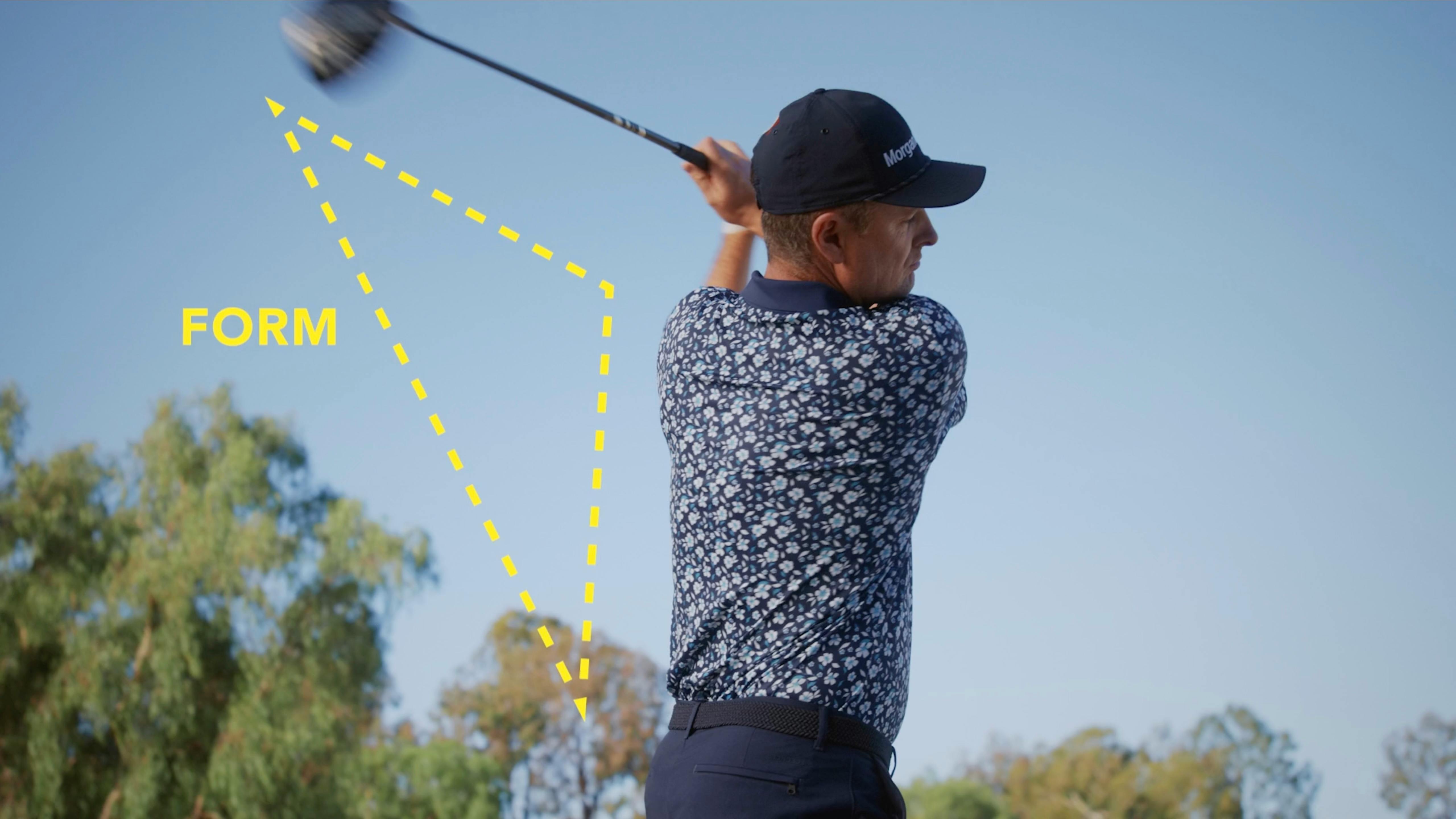
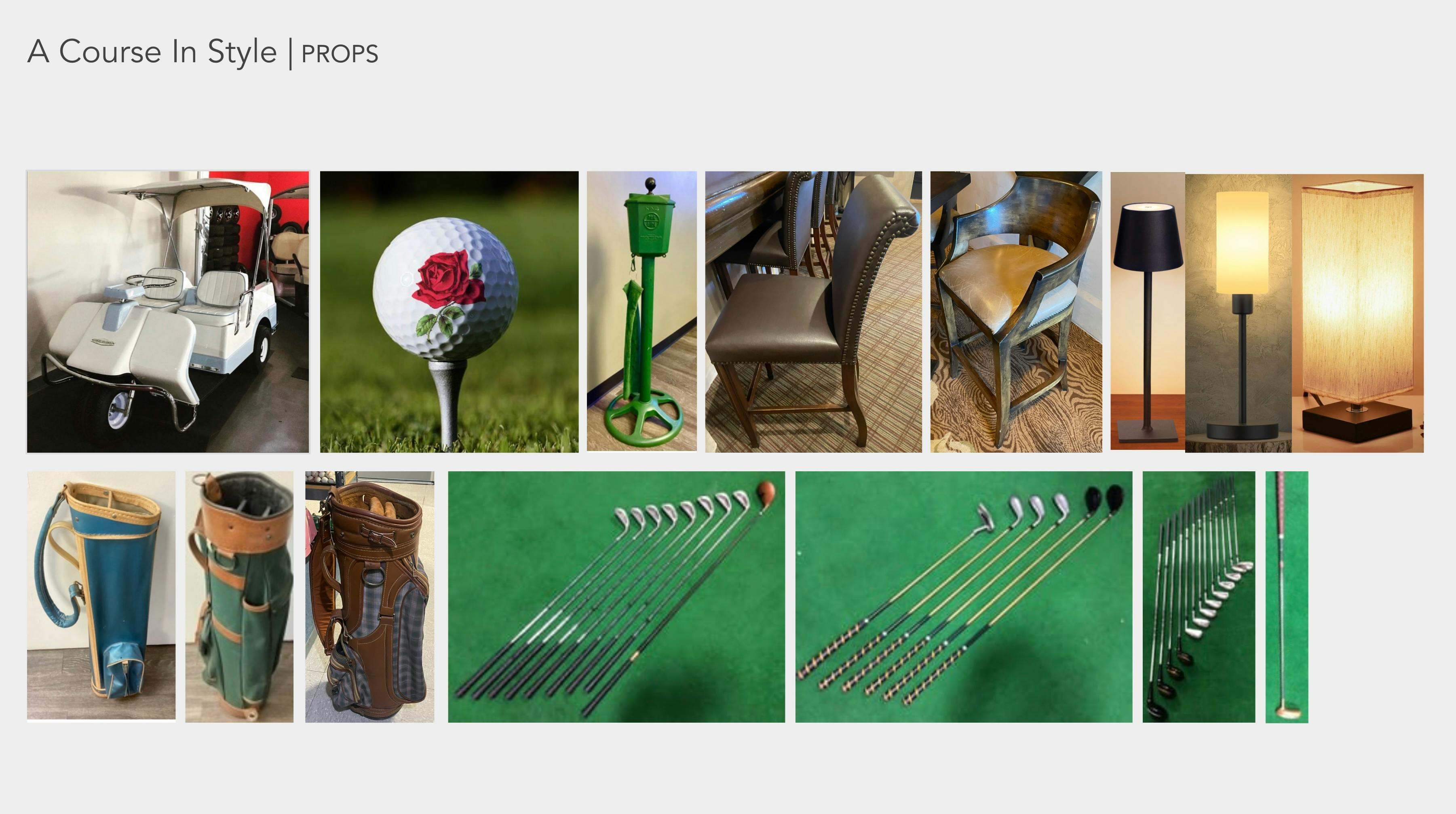
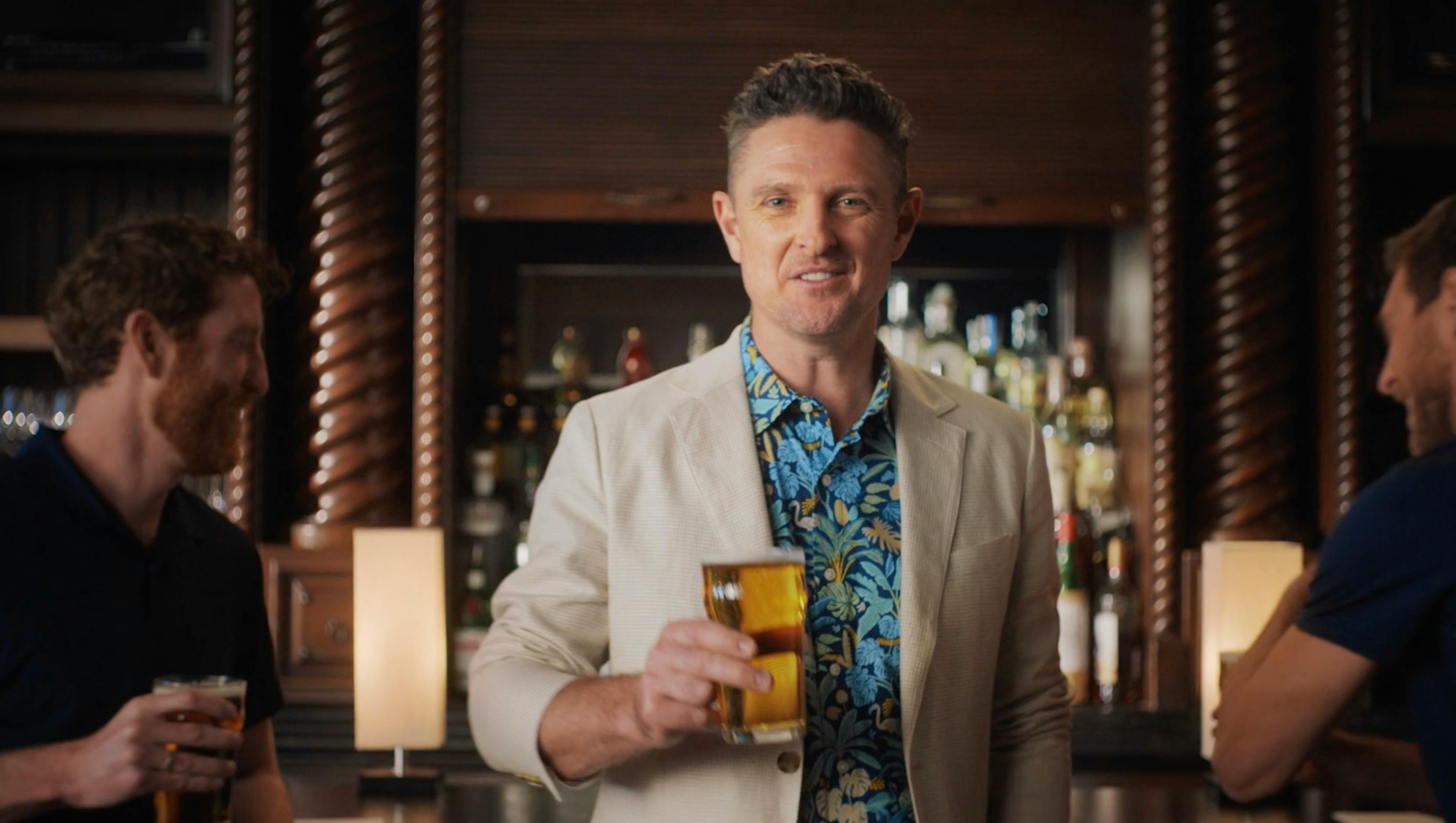
In the video, Rose cycles through era‑defining looks from the 1920s, 1970s, and 1990s plus matching period clubs offering dry commentary on how each era looks and feels. Only when he arrives in his modern Bonobos kit a floral Performance Golf Polo, navy Performance Link Pants, and Clubhouse Stretch Belt does he reach the “goldilocks” zone where style and performance finally align.
The narrative arc is clear and conversion‑oriented:
Past fits = restrictive, dated, or over‑the‑top
Present Bonobos look = just right, modern, and functional
End card = direct path to shop the exact outfit on Bonobos.com
Strategy: where golf culture meets social video
Bonobos and CBS Sports anchored the campaign in two intersecting trends:
Athlete fashion as content: the same way NBA tunnel fits became a social category, golf apparel is becoming a character in the sport’s story.
Vintage nostalgia and “era” content: TikTok and Reels already reward decade‑hopping, transformation narratives, and playful time travel.
By putting a major champion into historically accurate, sometimes ridiculous looks, then landing him in a clean, contemporary Bonobos fit, the campaign made the product the punchline and the solution. It also positioned Bonobos as the brand that understands both golf culture’s roots and where it is headed stylistically.
From brief to blueprint: the pre‑production grind
The least glamorous part of video production is often where campaigns live or die. Translating a loose brief into a locked script, casting plan, and shot list takes discipline, especially when objectives span brand, performance, and social. A strong production partner takes the lead here: interrogating the brief, clarifying the audience, and mapping out where each asset will live before a single frame is shot.
This is where they stress‑test feasibility against budget and timeline, flagging what belongs in a hero spot versus what makes more sense as social‑first content, UGC‑inspired pieces, or evergreen brand films. The payoff is a production plan that minimizes risk on set and maximizes the value of every setup.
The real challenges of production and how to beat them
Even with the perfect plan, production is a minefield. Budgets are tight, timelines are compressed, and creative ambitions soar. Some of the most common challenges brands and startups face include:
Budget vs. ambition: Big ideas on startup budgets demand smart compromises, not watered‑down concepts.
Time pressure: Product launches, seasonal windows, and talent availability leave little room for error.
Creative fatigue: Internal teams struggle to generate fresh, on‑brief ideas at the pace social demands.
Fragmented vendors: One team for creative, another for production, and a third for post leads to dropped balls and inconsistent quality.
Experienced partners overcome these by front‑loading creative clarity, pre‑visualizing key sequences, and designing flexible scripts that can scale up or down depending on constraints without losing the core idea. They also structure shoots to create content libraries, not one‑off assets, capturing alt lines, extra b‑roll, and platform‑specific variations in the same production window.
Working with startups: speed, uncertainty, and upside
For startups, every campaign is a high‑stakes experiment. Product features shift, messaging evolves, and leadership wants proof that video drives tangible outcomes. A production partner built for startups understands that flexibility is not a nice‑to‑have; it’s a core requirement.
That looks like modular creative scripts and visuals that can support multiple CTAs, product tiers, or price points and post pipelines that make it easy to update supers, offers, and localizations without going back into production. It also means transparent budgeting and options: must‑have shots, nice‑to‑have upgrades, and contingency plans if product, pricing, or markets pivot mid‑campaign.
White‑label partners: the invisible engine behind agencies
Wild / Factory doesn’t just work directly with brands; it also serves as a white‑label production partner for agencies, production companies, and creative studios that need extra firepower. In practice, that means they can quietly plug into existing client relationships as a behind‑the‑scenes crew, delivering high‑quality work under another shop’s banner.
For agencies, the value is speed, scale, and specialization: access to live‑action, VFX, CGI, motion graphics, and 3D animation without adding headcount or re‑architecting internal teams. For end clients, it often means better craft and smoother timelines without ever needing to know how the sausage gets made.
Local production, global ambition
With studios in New York and Los Angeles, Wild / Factory positions itself as a local production partner with national reach, specializing in commercials and branded content. That local footing matters: crews who understand regional logistics, permitting, and talent pools can move faster and make smarter location decisions.
At the same time, the work is built for global distribution shot, edited, and versioned with international markets, translations, and platform requirements in mind. For startups and scale‑ups trying to look bigger than their headcount, that combination of local execution and global polish is a powerful brand signal.
The creative challenge: making brand stories binge‑able
Every brand claims to have a story worth telling; the hard part is making that story watchable in a feed full of everything else. The most effective partners approach creative development like showrunners, not just spot makers thinking in arcs, characters, and worlds rather than isolated executions.
They fuse brand strategy with entertainment value, building formats that can sustain multiple episodes, product updates, and seasonal campaigns. For startups, that might mean a recurring founder‑led series, a character‑driven campaign, or a modular visual language that can flex from launch film to recruitment spot without losing coherence.
Collaboration with celebrities and creators
As more brands lean on celebrity and creator partnerships, the production partner becomes the connective tissue between legal, talent, brand, and audience. Negotiating usage rights, content formats, and creative guardrails is delicate push too hard and you lose authenticity; too soft and you lose brand clarity.
Strong partners bring experience with talent deals and on‑set dynamics, designing shoots that allow for improvisation while still protecting the brand’s messaging and regulatory requirements. They scaffold creator‑driven shoots with pre‑alignment on beats, talking points, and posting plans so the end result feels organic, not over‑engineered.
Creating a safe, inclusive, and fun set
Production is physical, fast‑paced, and frequently stressful. Without intentional guardrails, sets can quickly become environments where burnout, miscommunication, and inequity thrive. The best partners treat safety, inclusion, and wellbeing as production departments, not afterthoughts.
That includes clear safety protocols, reasonable turnarounds, inclusive casting and crew practices, and leadership that encourages speaking up about concerns. It also means designing workflows that give emerging talent room to learn and contribute, rather than relegating them to perpetual invisible labor.
Role of Justin Rose as partner
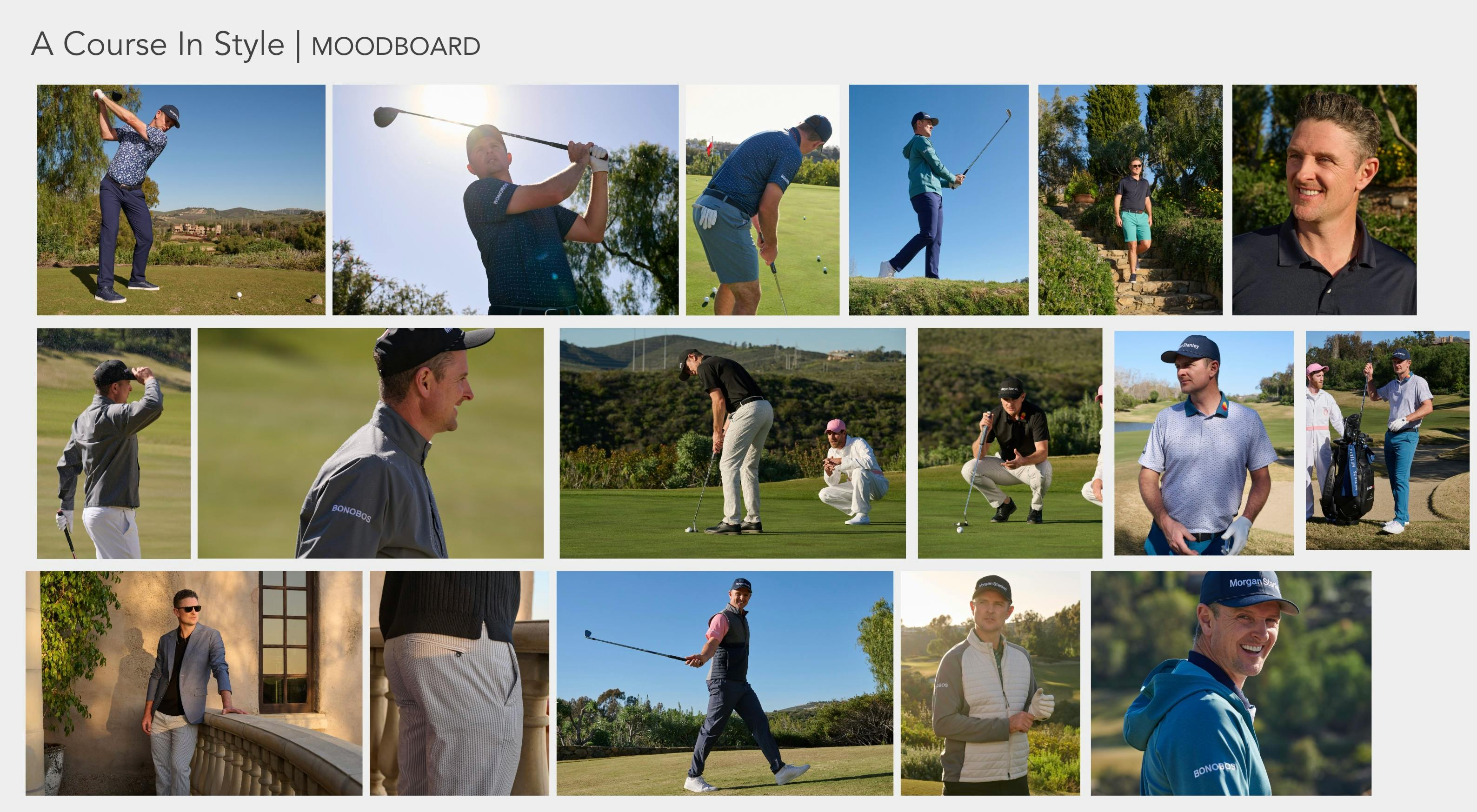
Justin Rose wasn’t a rented face; he’d already co‑designed capsule collections with Bonobos and provided technical feedback on fabrics, fit, and performance details. That authenticity allowed the creative to lean on his personality and credibility instead of forcing a scripted, out‑of‑character performance.
He spoke publicly about:
Pushing his own comfort zone with bolder prints and patterns
Wanting clothing that moves seamlessly from course to café
Trusting Bonobos’ design team while adding a player’s perspective on performance
That ongoing relationship made the fashion‑as‑time‑machine story feel grounded this isn’t just a golfer playing dress‑up; it’s someone who has actively helped shape the modern golf look he’s ultimately endorsing.
The Star of the Show

Location
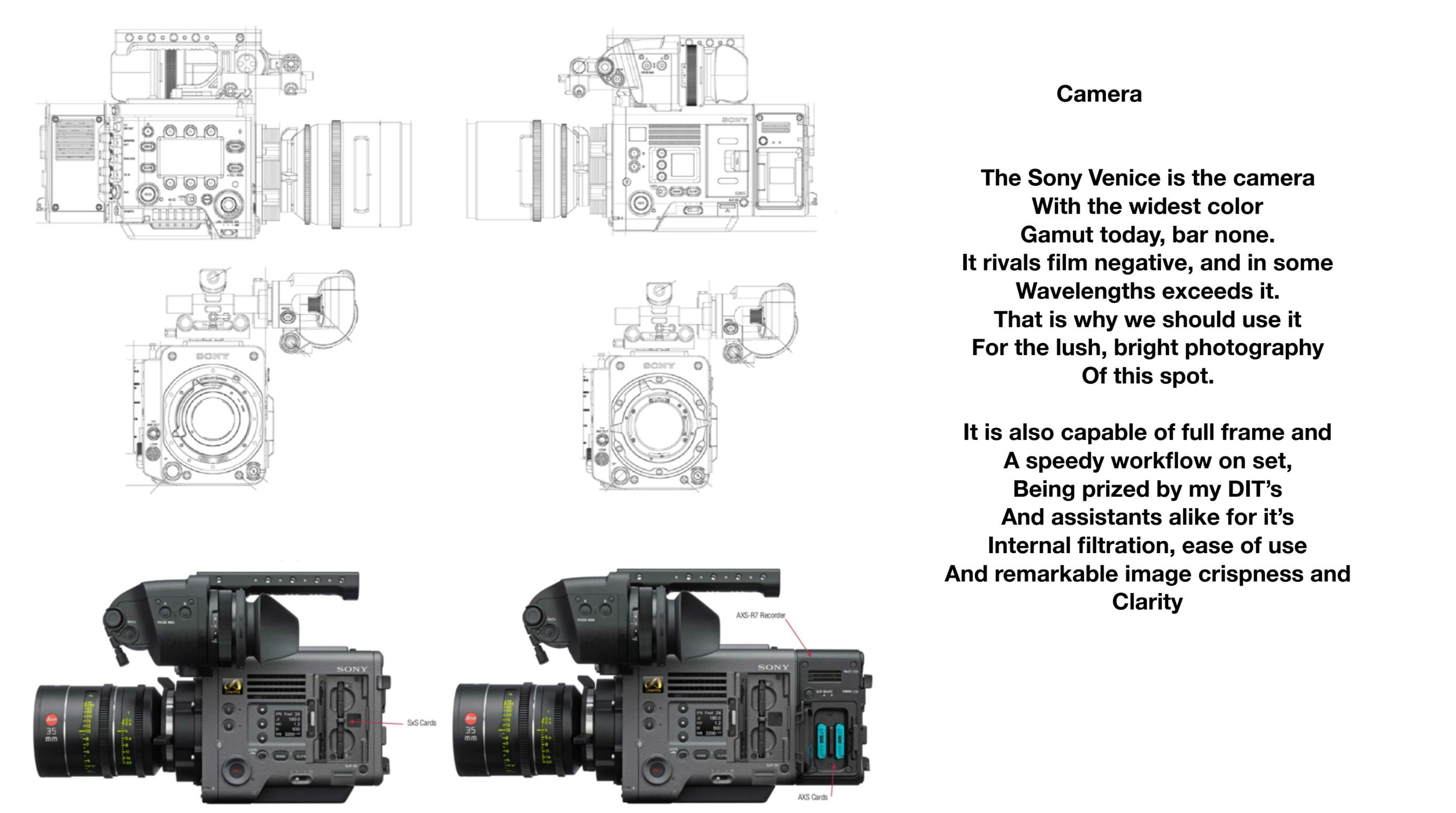
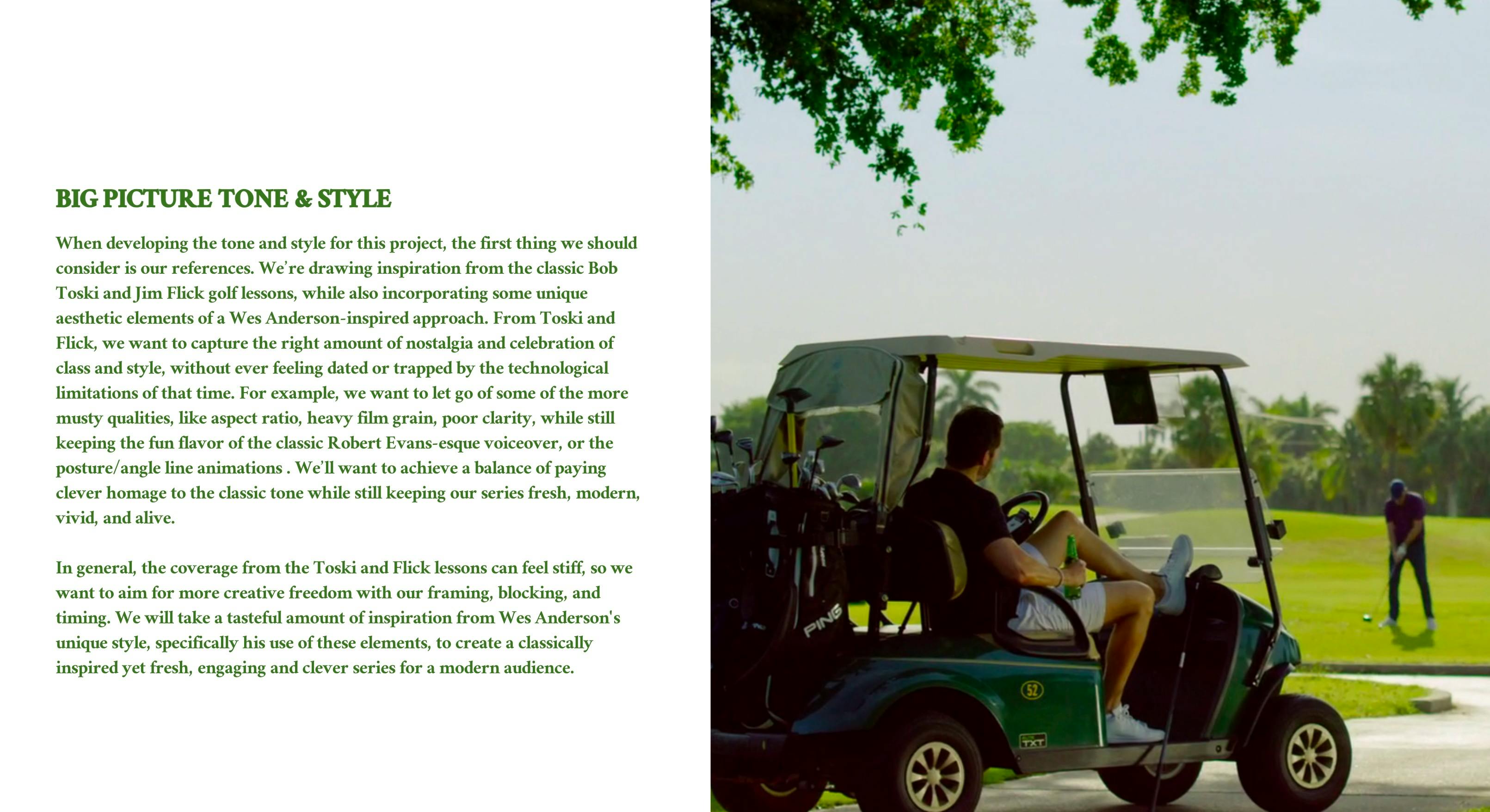
Look & Feel
Production and format design
CBS Sports and Bonobos designed the “Decades of Drip” content as social‑first, then scaled it outward. Key executional choices:
A dynamic opening shot that rapidly cycles through decades while Rose appears to take a single swing, instantly communicating the concept in seconds.
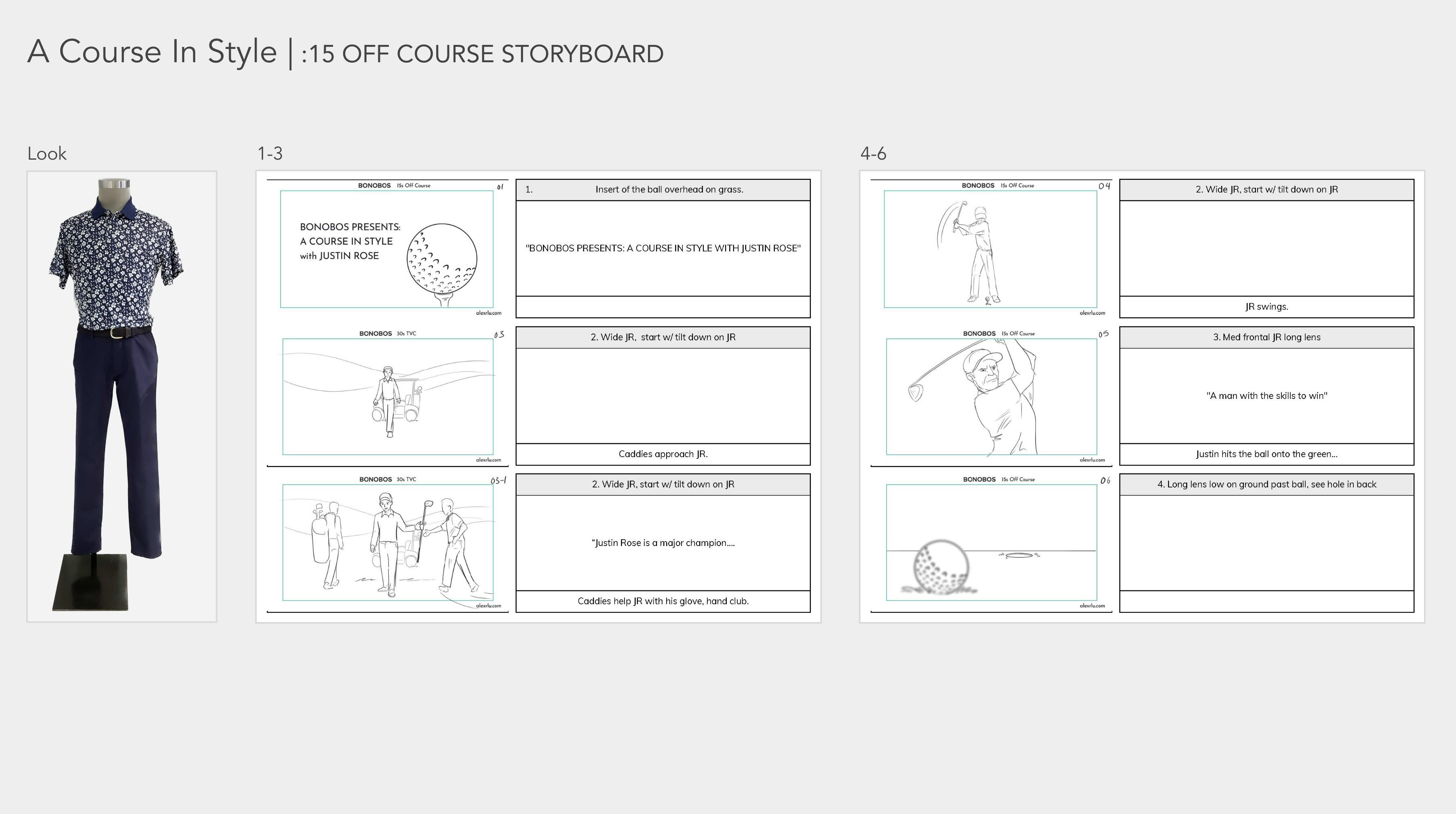
Short‑form, vertical 30‑second cuts tailored for TikTok and Instagram Reels, with fast pacing and visually distinct outfit eras for thumb‑stopping contrast.
A longer‑form hero edit seeded on YouTube, Facebook, Twitter, CBS Sports HQ, and CBSSports.com, where deeper narrative and longer videos tend to perform better.
This multi‑cut approach let the same creative idea stretch across awareness, engagement, and consideration environments without fragmenting the story.
Distribution and media strategy
The campaign’s distribution plan was timed to major golf moments, particularly The Open Championship, to capture both hardcore and casual fans at peak attention.
Key moves:
Running the hero video across CBS Sports’ ecosystem, including linear‑style placements on CBS Sports HQ with anchors verbally setting up the spot and plugging Bonobos.
Optimizing TikTok and Instagram with the vertical 30‑second cut, built to hook quickly and tap into the platform’s love of fashion transitions and nostalgia.
Cross‑posting through Rose’s and Bonobos’ owned channels to add organic reach and social proof.
The combination of publisher channels, brand channels, and talent channels turned a single concept into a surround‑sound presence across golf fans’ feeds.
Measured results
The campaign significantly over‑delivered on CBS Sports’ benchmarks and Bonobos’ goals. Reported outcomes include:
7.5 million impressions and 3.4 million video views from the branded content alone.
Approximately 700% more engagements than the average CBS Sports TikTok post.
135% more video views than average on CBS Sports’ Instagram.
282% more video views than average on CBS Sports’ Facebook.
For Bonobos, the campaign met three primary objectives:
Reach a massive, predominantly male golf audience
Showcase the effortless style and high‑performance attributes of the golf line
Deliver social‑first branded content that felt entertaining and native to sports feeds
Brand and category impact
The Justin Rose work helped cement Bonobos as a serious golf player, not an outsider dabbling in the category. The partnership became a model for how the brand thinks about ambassadors going forward: seek collaborators who embody the brand and can add authenticity, not just logo exposure.
For the category, “Decades of Drip” showed how golf apparel can be marketed with humor, self‑awareness, and platform‑native storytelling without losing technical credibility. It reframed golf style from something rigid and rule‑bound to something players can experiment with, as long as they land in a modern, functional sweet spot.
Takeaways for marketers
The Bonobos x Justin Rose campaign offers a few clear lessons for brands planning celebrity‑driven video:
Build ideas around your talent’s real story and personality, not just their face.
Use nostalgia and transformation as narrative engines that naturally showcase your product as the “solution state.”
Design your hero concept to fragment cleanly into multiple lengths, aspect ratios, and platforms from day one.
Align distribution with cultural moments in your category to ride existing attention, not fight for it.
Done right, a campaign like this doesn’t just sell product; it repositions a brand within a culture in this case, turning Bonobos into one of the most visible names in modern golf style.
Why did campaign performed so well?
Bonobos’ Justin Rose strategy worked because it was a long‑term, authentic collaboration built around a sharp, social‑native idea that showcased specific product benefits rather than a generic logo‑slap on a golfer. Most competing golf‑apparel endorsements stumble on inauthentic fit, weak storytelling, and platform‑agnostic creative.
Authentic, two‑way partnership
From day one, Bonobos framed Rose not as a rented face but as a genuine partner and fan of the brand, emphasizing his existing affinity for its fit, fabric, and inclusive mission. He spoke openly about already wearing Bonobos and later co‑designed a capsule collection, reinforcing that the relationship extended beyond a contract into product and style input.
By contrast, research on celebrity endorsements shows that audiences quickly punish perceived insincerity when it feels like the star has no real connection to the product, backlash and apathy follow. Bonobos avoided that trap by letting Rose talk about comfort zones, evolving his own style, and genuinely pushing into bolder prints within a range that still felt like “him.”
Tight product–persona fit
Bonobos’ golf proposition is “better‑fitting, modern apparel that works on and off the course,” and Rose was positioned as a modern, composed champion whose off‑course style matters as much as his swing. The brand explicitly praised him as a role model for a “modern man today” and someone whose presence and values match Bonobos’ focus on confidence and inclusivity.
Endorsement theory calls this “trait transfer”: when the celebrity’s perceived qualities discipline, taste, modernity rub off on the brand. Many golf‑apparel deals fail here, pairing athletes with labels whose aesthetics or values don’t match, diluting credibility or confusing consumers about what the brand actually stands for.