"The Cartridge Family" Branded Series by NY Production Service Co.
"The Cartridge Family" Branded Series
Webby-nominated comedy for Brother printers
Director
Michael Lukk Litwak
Year
2022
Director
Michael Lukk Litwak
Year
2022
Type
Commercial, Social, CTV
Industry
Consumer Goods
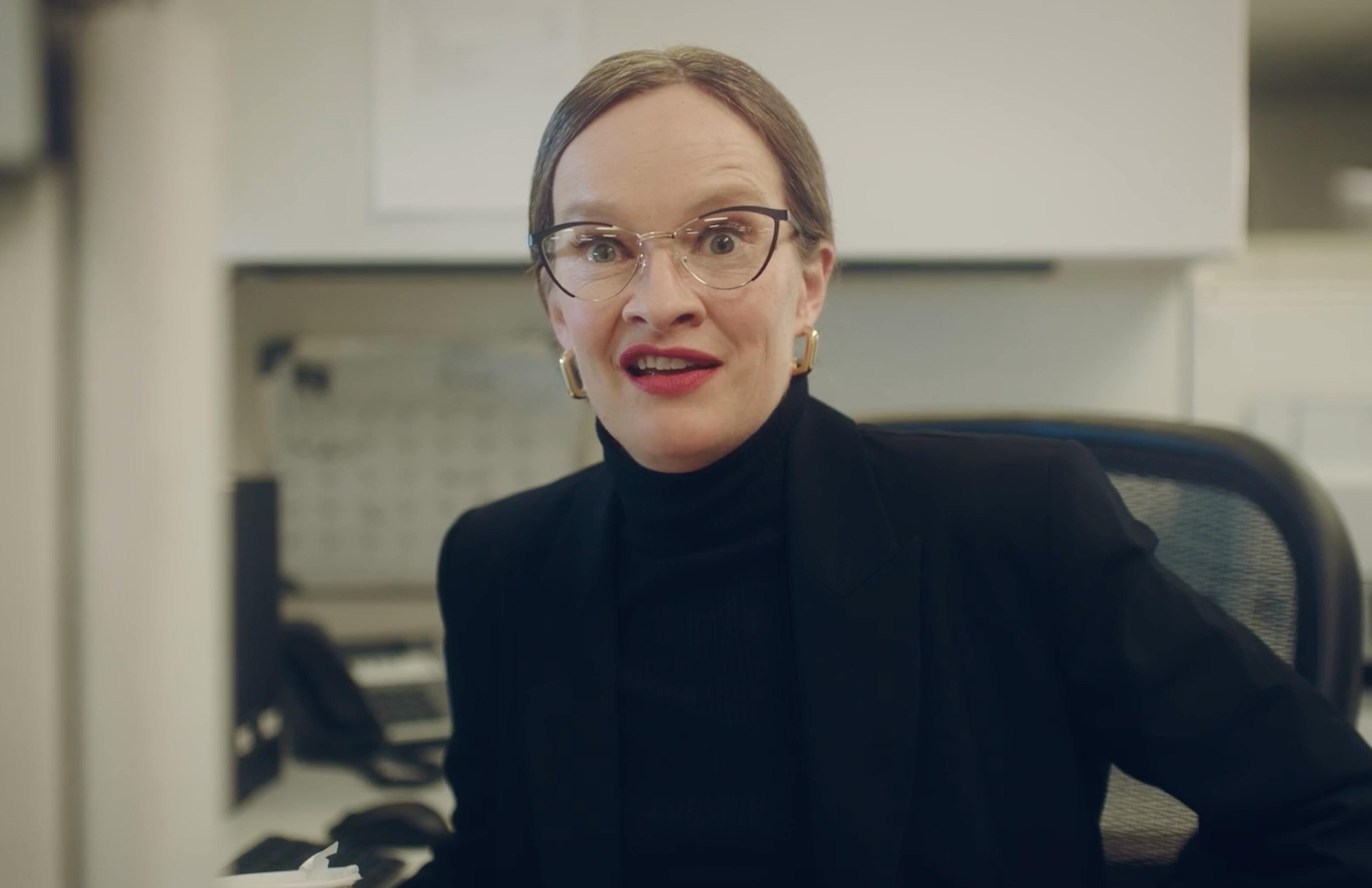
Brother’s The Cartridge Family is what happens when a product category that is usually invisible gets a real entertainment engine. Built with We. Communications, directed by Michael Lukk Litwak, and produced by Wild / Factory in New York, the Webby-nominated branded series turned Genuine Ink & Toner into a five-episode office comedy that gave Brother a sharper, more memorable voice in a crowded home-office market.
A branded series is a sequence of connected brand-funded episodes built around a repeatable story, character system, or creative premise. Done well, it gives audiences a reason to return while giving the brand a content platform that can work across social, web, CTV, paid media, and owned channels.
Challenges in Directing Episodic Content for Legacy Brands
Directing episodic content for legacy brands is one of the hardest jobs in branded storytelling because it requires balancing brand heritage, modern relevance, repeatable narrative structure, and platform-specific performance at the same time. Legacy brands already have built-in recognition, but that recognition can also create creative resistance, making it difficult to develop episodic branded content that feels fresh, entertaining, and culturally current without breaking the brand’s trust equity.
For brands that want to launch a branded series, recurring digital content, or episodic social video, the challenge is not just making one strong piece. It is building a world that can sustain multiple chapters, multiple edits, and multiple audience touchpoints while still feeling unmistakably tied to the brand. That is where experienced commercial directors, branded content agencies, and production companies become essential.
Why Legacy Brands Struggle With Episodic Storytelling
Legacy brands often carry decades of visual history, category expectations, and audience assumptions. That can be a major advantage in awareness, but it can also make episodic content harder to execute because the work must feel new enough to earn attention and familiar enough to preserve trust. If the creative leans too far into nostalgia, the series can feel dated. If it leans too far into trend-chasing, the brand can lose its identity.
This is especially true for heritage brands, established consumer brands, and long-standing B2B companies that want to reach younger audiences through branded entertainment. Those brands often need to update their tone, pacing, and visual language while still protecting the core promise that made them relevant in the first place. The best episodic content for legacy brands is not about reinvention for its own sake; it is about modernizing brand storytelling without sacrificing credibility.
Brother’s Branded Series Breakthrough
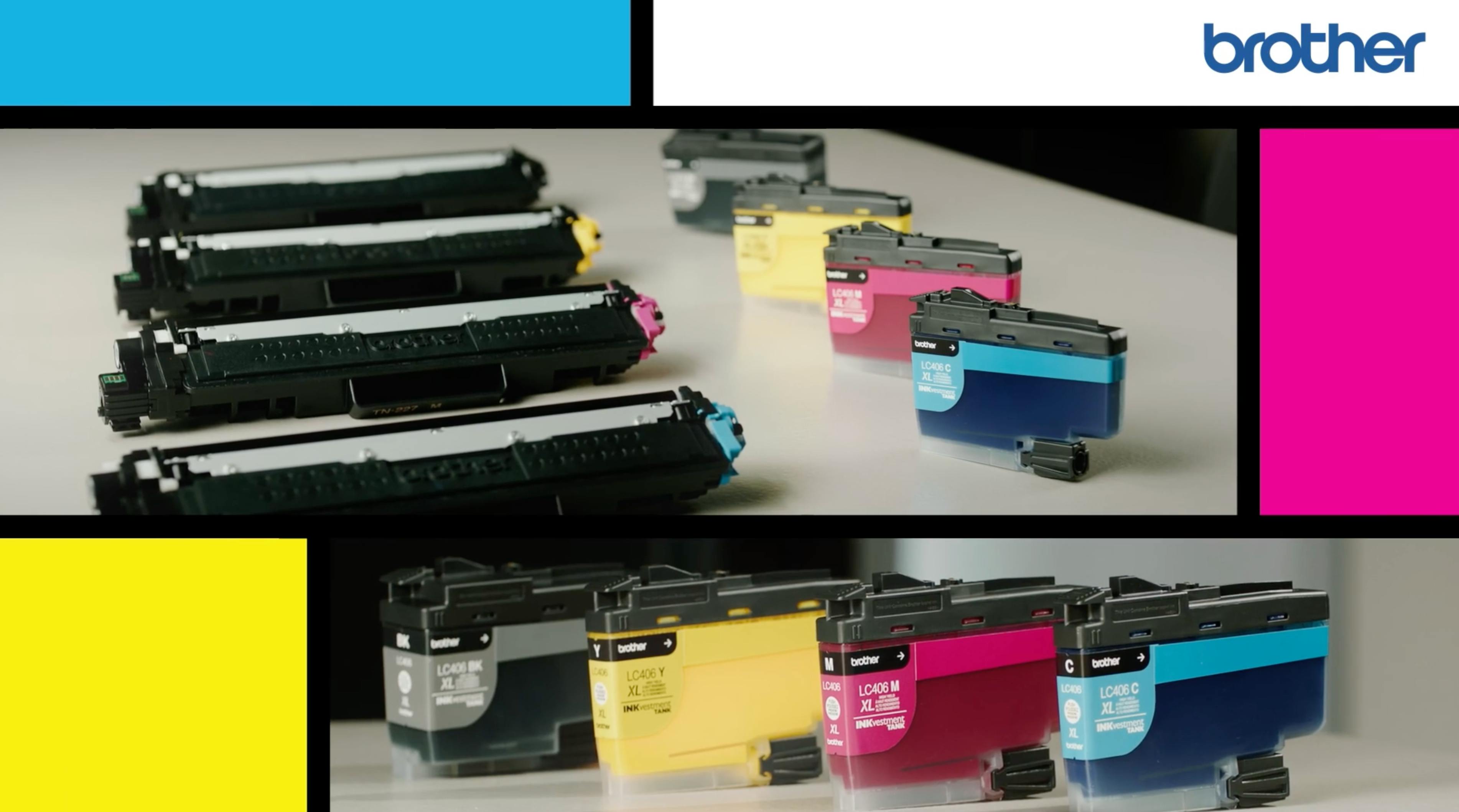
The challenge was straightforward but difficult: how do you make printers and ink cartridges feel culturally relevant? Brother and its partners answered that question by creating a sitcom-style branded content series that replaced functional product messaging with character-driven humor, workplace absurdity, and recurring visual identities tied to Brother’s cartridge colors.
That move matters because branded content works best when it gives audiences something to watch, not just something to buy. Instead of a one-off campaign, Brother created a repeatable world with familiar personalities, a clear comedic tone, and enough structure to support both memorability and distribution across digital channels.
Why Memorable Branded Content Matters
For businesses, memorable branded content is more valuable than a standard ad because it builds brand affinity, repeat viewing, and audience recall. A strong branded series creates a content franchise: viewers learn the premise quickly, return for the characters, and associate the brand with a particular feeling, not just a product feature.
That is especially important in utility categories like printers and ink, where the product is often overlooked until it breaks. Brother’s series solved that problem by making the category fun to watch, which in turn made the brand easier to remember and easier to recommend.
The Narrative Problem in Branded Series
A strong episodic content strategy starts with a durable narrative universe. Without clear character rules, recurring themes, and a repeatable story engine, a branded series can quickly feel like a loose collection of ads instead of a true content franchise. For legacy brands, this is a major issue because audiences expect consistency, but they also expect each episode to deliver something new.
That means the director has to think like a showrunner and a brand strategist at the same time. The episodic content must work as standalone video content, but it also has to build toward a larger brand narrative system that can live across social video, paid media, YouTube, CTV, branded entertainment platforms, and owned channels. The more modular the structure, the more valuable the content becomes over time.
Maintaining Brand Relevance Without Losing Equity
One of the biggest challenges in directing episodic content for legacy brands is translating legacy into relevance. Brand heritage alone does not make a series compelling. Audiences want content that feels current, human, and worth watching now. That means the director has to find the right tone, cast, performance style, visual grammar, and pacing to meet modern content expectations.
This is where many legacy brand campaigns fail. They either over-formalize the content and make it feel corporate, or they overcompensate and make it feel disconnected from the brand. The best branded series for legacy brands strike a middle ground: they feel premium, approachable, and socially native while still preserving the brand’s own voice. That is a delicate balance, and it is one reason why strong creative direction matters so much.
Why Tone Is So Hard to Get Right
Tone is often the deciding factor in whether an episodic branded content campaign succeeds. Legacy brands usually need to avoid sounding too stiff, too polished, or too self-serious, but they also cannot afford to look like they are trying too hard to be “cool.” The tone has to feel intentional and sustainable across multiple episodes, not just effective in one proof-of-concept video.
Directors working on episodic branded content must therefore manage comedy, drama, realism, or stylization with precision. If the tone shifts too much between episodes, the campaign loses cohesion. If it stays too flat, the series loses momentum. For legacy brands, tonal consistency is not just an artistic preference; it is a brand management strategy.
A Sitcom Built for the Feed
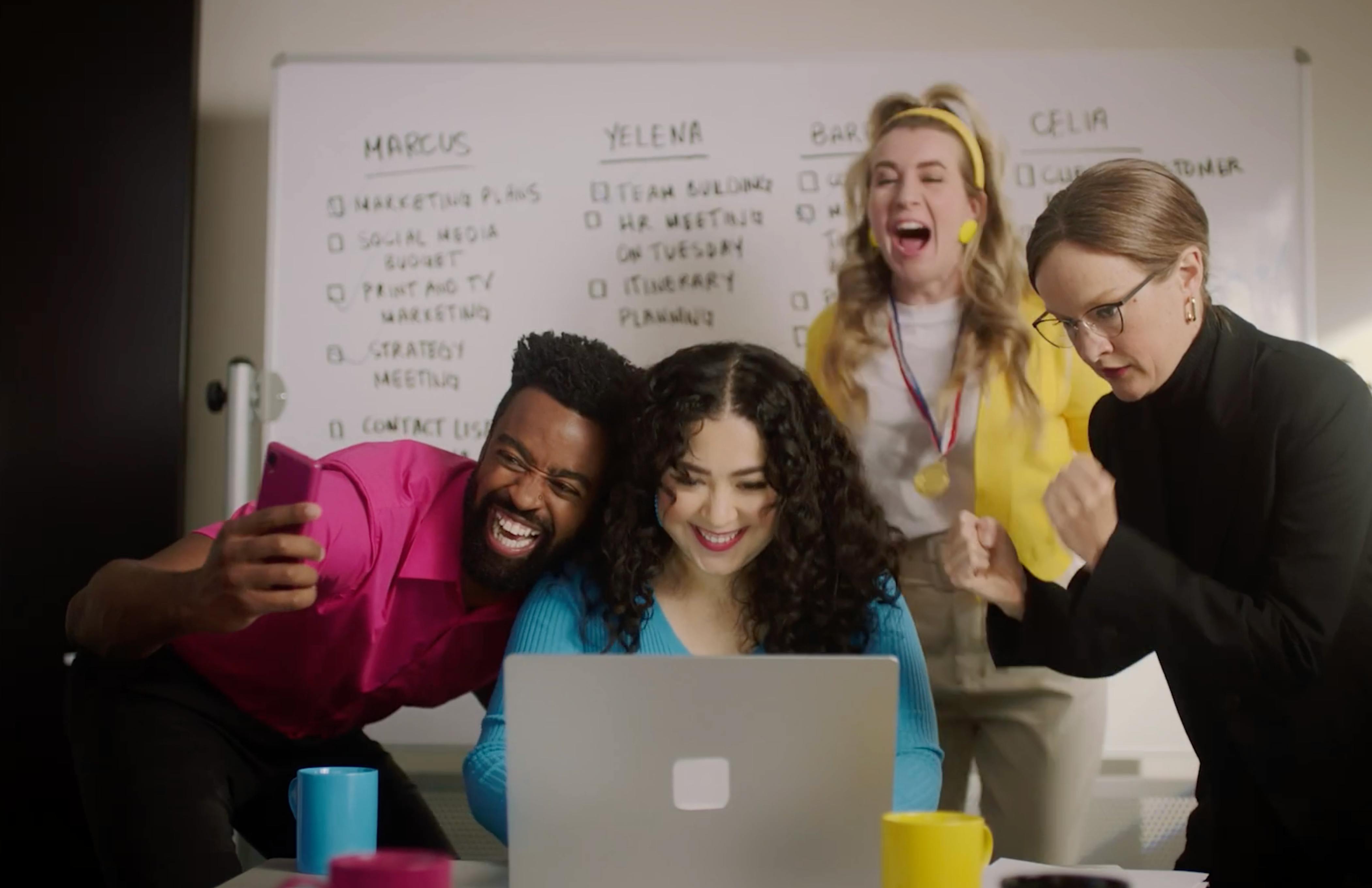
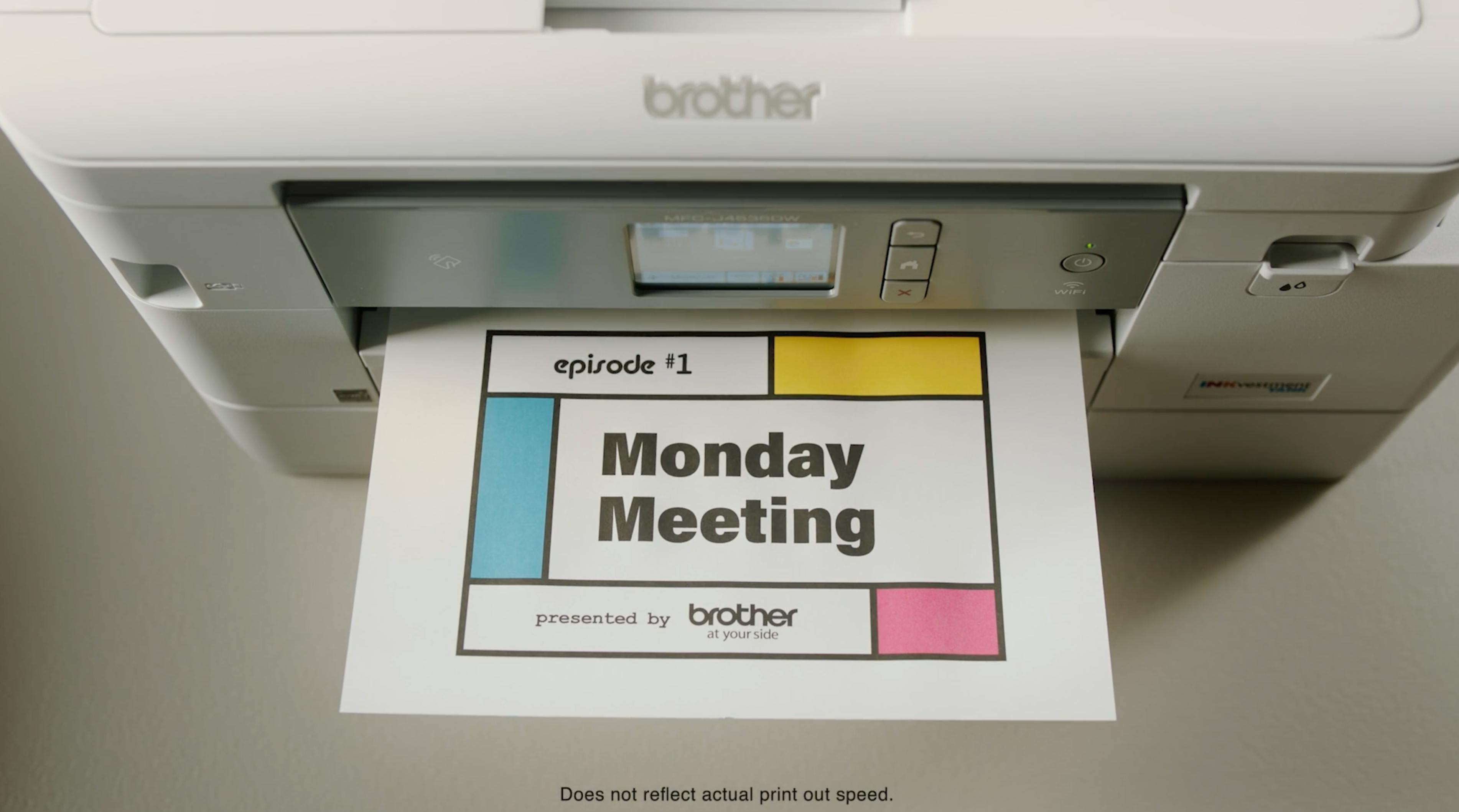
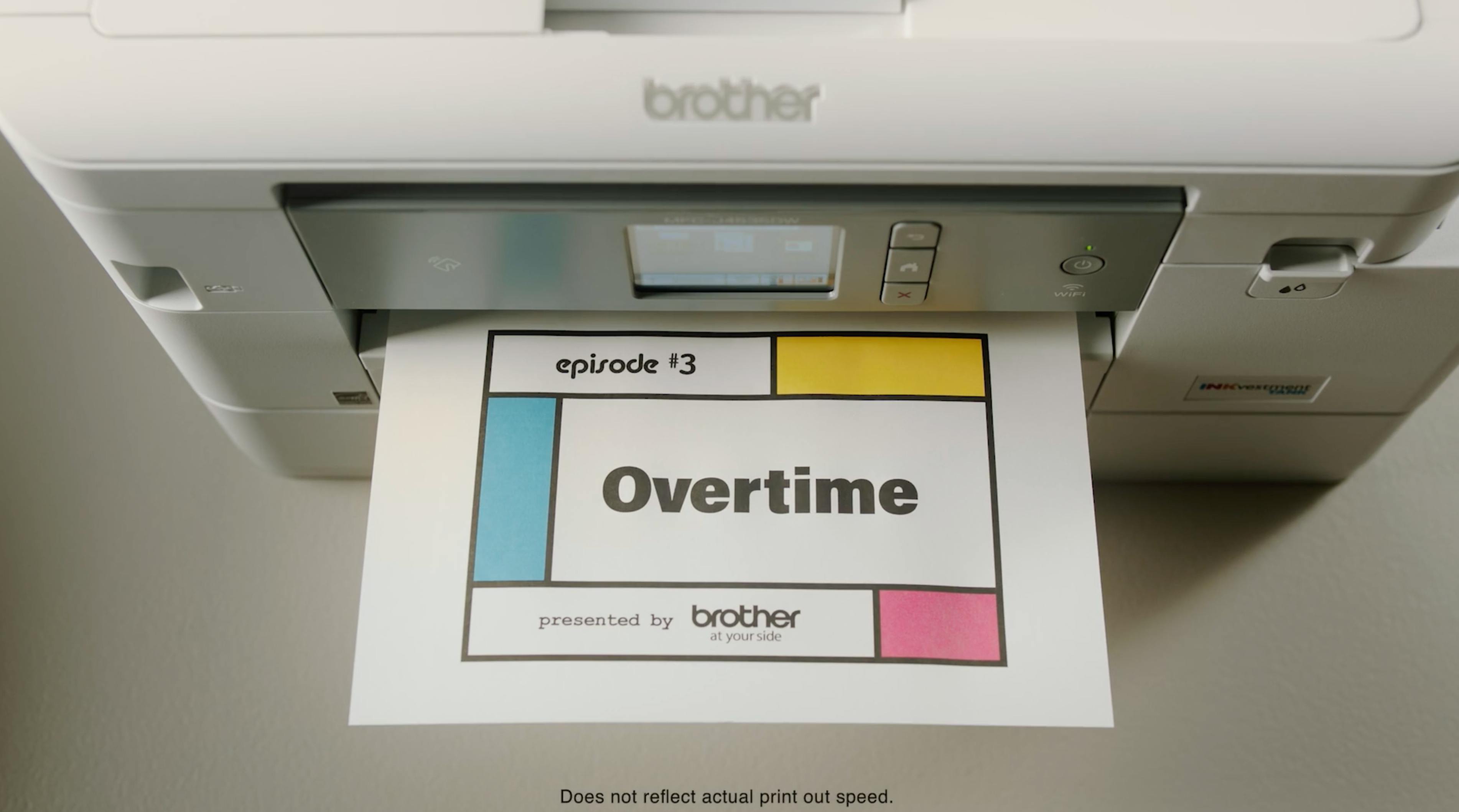
The Cartridge Family took its cue from classic American sitcoms, including a playful nod to The Partridge Family, but translated that nostalgia into a modern branded content language. Each episode leans into broad commercial comedy, giving the series a light, breezy feel that plays well on social, on web, and in branded video environments.
That tonal decision is strategic. In digital content, especially for B2B or home-office products, audiences are far more likely to engage with a comic premise than with a product demo. A branded series that feels like entertainment can earn attention that a traditional ad rarely does.
Why Cross-Platform Design Matters
Legacy brands cannot afford to think about episodic content as a single broadcast-style asset anymore. The same series may need to perform on Instagram, TikTok, YouTube, connected TV, paid social, brand websites, and email campaigns. That means each episode has to be designed with content reuse, cutdown strategy, and platform optimization in mind from the start.
A director who understands this will make choices that support the broader campaign architecture. That could mean framing for vertical and horizontal crops, building in stronger visual hooks for social thumbnails, or designing scenes that can be repackaged into shorter story units. In a competitive digital environment, episodic content for legacy brands has to do more than entertain; it has to function as a multi-channel content engine.
Audience Expectations Are Higher Than Ever
Today’s viewers are highly selective. They know when a branded series feels forced, and they know when a legacy brand is trying to use episodic content as a shortcut to relevance. That is why authenticity matters so much. Even in stylized or comedic campaigns, the brand world has to feel believable.
For legacy brands, this means the episodic content must respect the audience’s intelligence. The brand cannot simply rely on recognition. It has to earn attention through smart writing, strong production value, and a clear emotional or comedic payoff. That is especially important in categories where the brand is already known but not necessarily loved. Episodic content gives those brands a chance to shift perception, but only if the creative is genuinely engaging.
Michael Lukk Litwak’s Directing Advantage
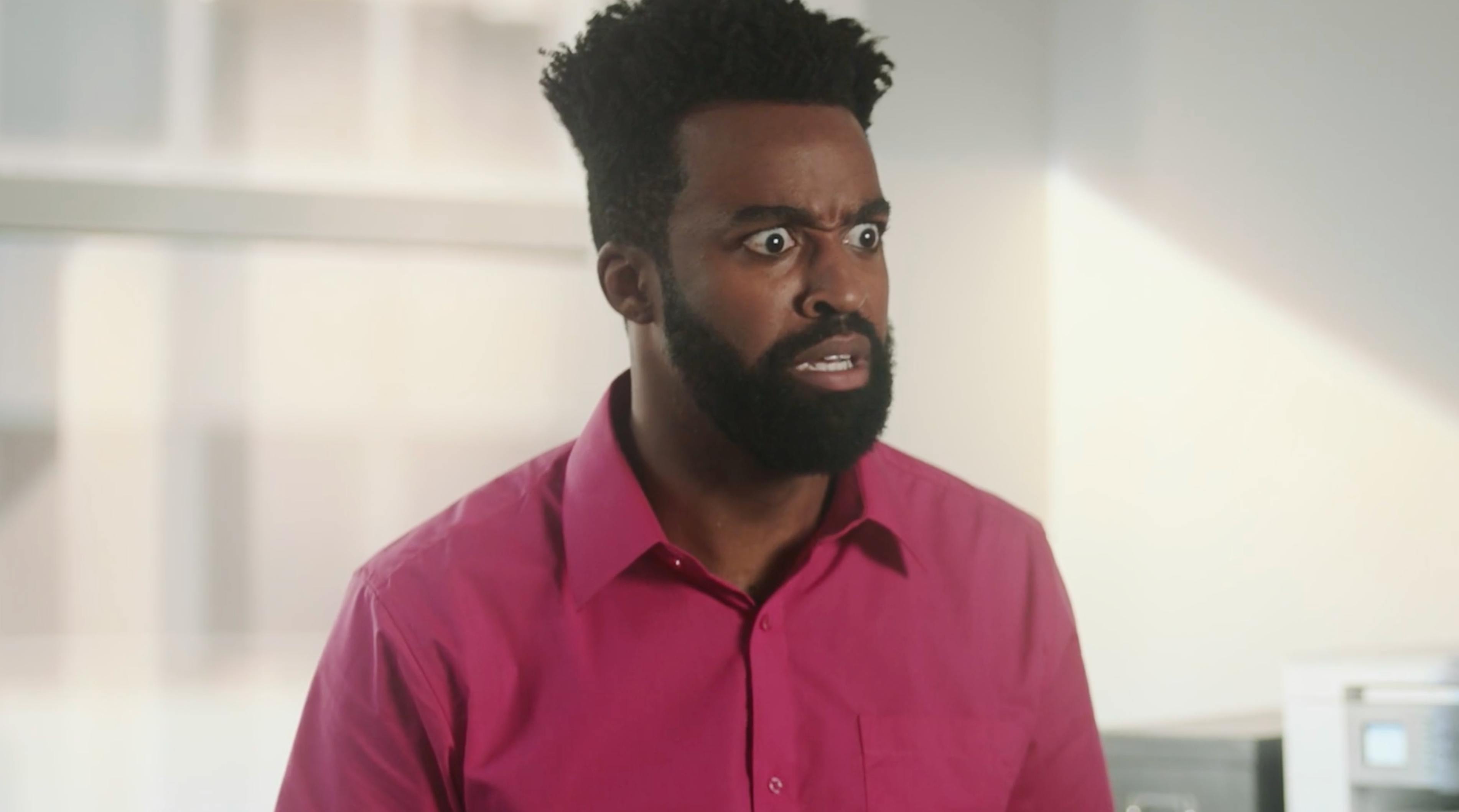
Director Michael Lukk Litwak was crucial to making the comedy feel character-first instead of concept-first. His work is known for embracing the absurd while still keeping characters grounded, which is exactly the balance a campaign like The Cartridge Family needs.
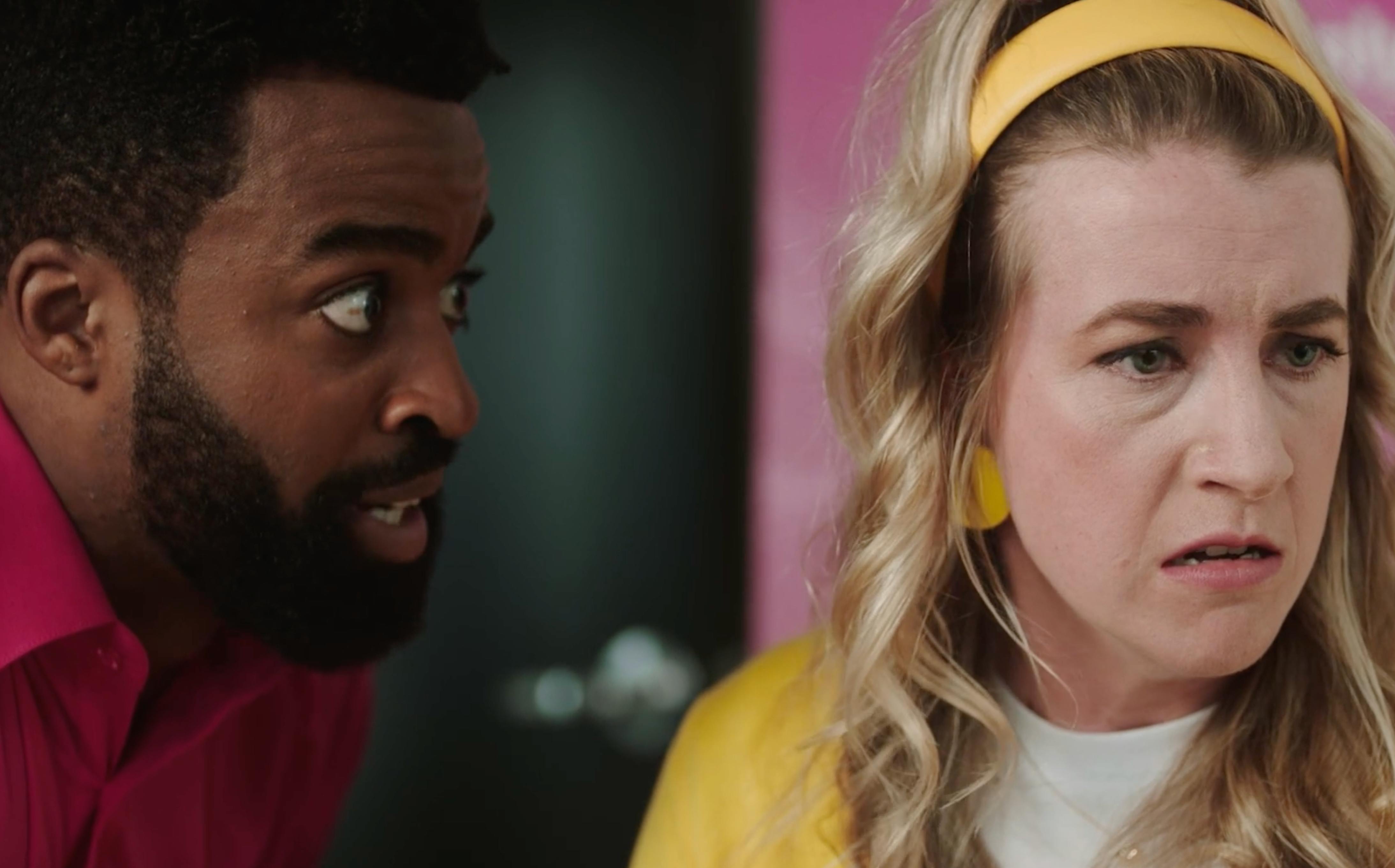
That matters because branded comedy lives or dies on timing, reaction, and ensemble chemistry. Litwak’s direction gave the series a sitcom rhythm that made the workplace family feel believable enough to land the joke while still stylized enough to be memorable.
What Strong Directors Do Differently
The best directors for episodic content aimed at legacy brands do more than stage scenes. They build worlds. They understand how to create visual continuity, character rhythm, and repeatable storytelling that can evolve over time. They also know how to protect the brand from becoming too generic or too experimental.
Strong directors in this space usually bring several key strengths:
They understand brand storytelling and can translate legacy into contemporary content.
They know how to make every episode feel connected without feeling repetitive.
They can direct performance for both emotional truth and repeatable comedic or dramatic structure.
They can work within the practical realities of production schedules, media formats, and post-production deliverables.
They understand how episodic branded content supports larger content marketing and SEO strategies.
Wild / Factory’s Role as a New York Production Partner
Wild / Factory’s role went far beyond simple execution. As a white-label production partner and digital content agency, the company helped Brother and We. Communications develop, plan, and deliver the five-episode series from start to finish.
For brands and agencies looking for a New York video production partner, this campaign shows why local production capability matters. Wild / Factory combines creative development, production planning, set design, performance direction, and post-production within one workflow, while its New York operation provides an experienced base for commercial and branded content production in NYC.
That end-to-end capability is the reason hybrid production partners are so valuable. They can align creative development, production planning, set design, performance direction, and post-production into one efficient pipeline, which is especially important when a campaign has to deliver multiple episodes on a compressed schedule.
The Operational Challenge Behind the Camera
Episodic content is not only a creative challenge. It is also an operations challenge. Legacy brands often need multiple deliverables from a single production: hero cuts, cutdowns, social assets, stills, teaser clips, platform-specific versions, and maybe even future-proof material for sequels or seasonal extensions. That creates pressure on the director, the production company, and the post-production workflow.
The production approach has to be efficient, flexible, and tightly organized. Pre-production planning, shot mapping, casting, set design, and edit strategy all need to support the idea that the content may continue beyond one episode. That is why brands often benefit from a full-service video production partner or hybrid creative agency and production company that can handle strategy, creative execution, and post-production in one integrated system.
The Production Challenge
The biggest production challenge was time. With only one day to shoot all five episodes, every piece of the process had to be locked before cameras rolled. That meant detailed pre-production, meticulous shot mapping, and a highly organized crew and cast on the day.
Wild / Factory solved this with 3D storyboards using Previs Pro, which allowed the team to build near-exact digital versions of the actual New York office location and approve every setup in advance. That reduced decision fatigue on set and made the one-day shoot far more manageable.
The New York production setting also gives the case study genuine local relevance. Rather than adding NYC as a generic service-area claim, the project itself was planned around a real New York office location and executed through Wild / Factory’s New York production operation.
Production Design That Tells the Story
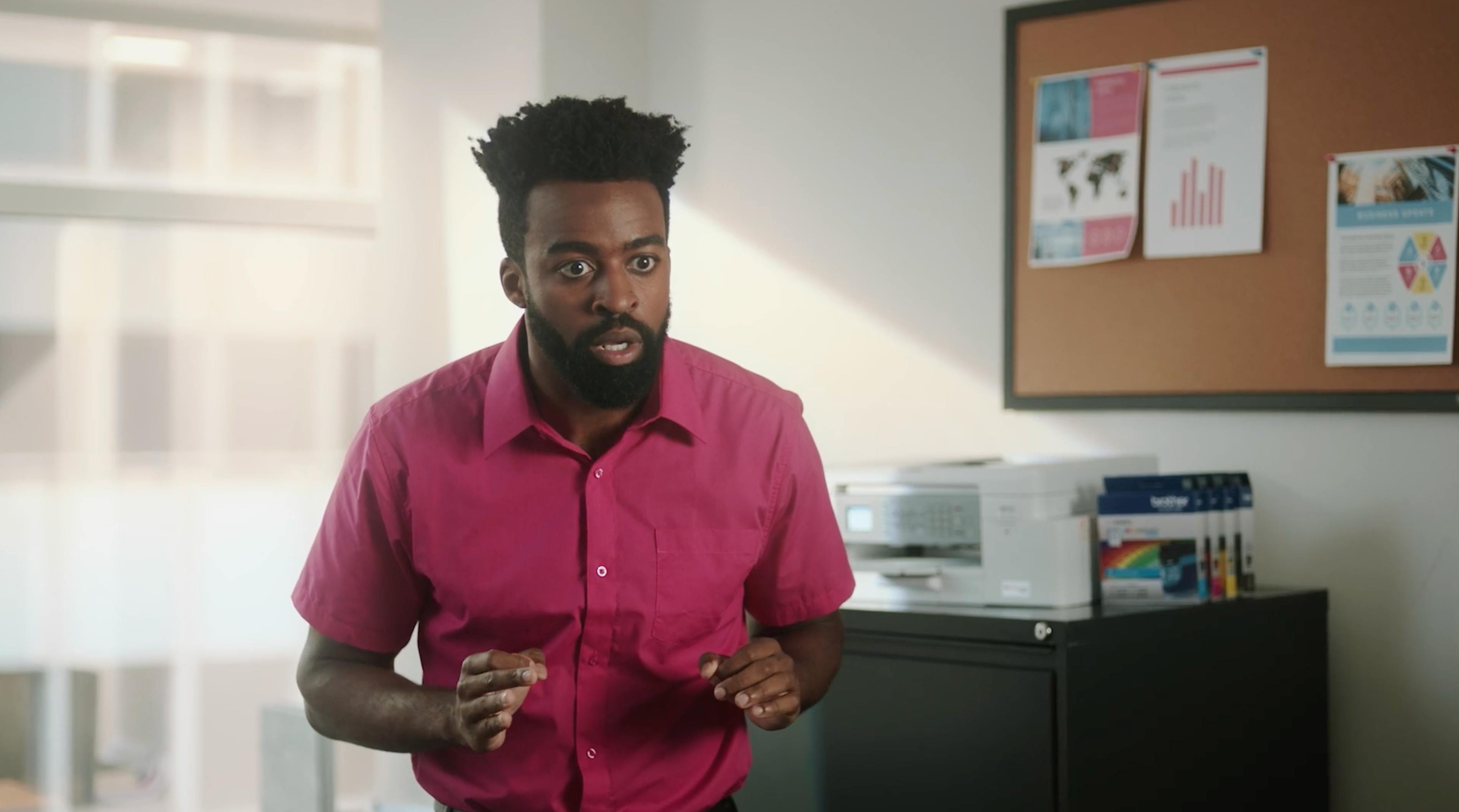
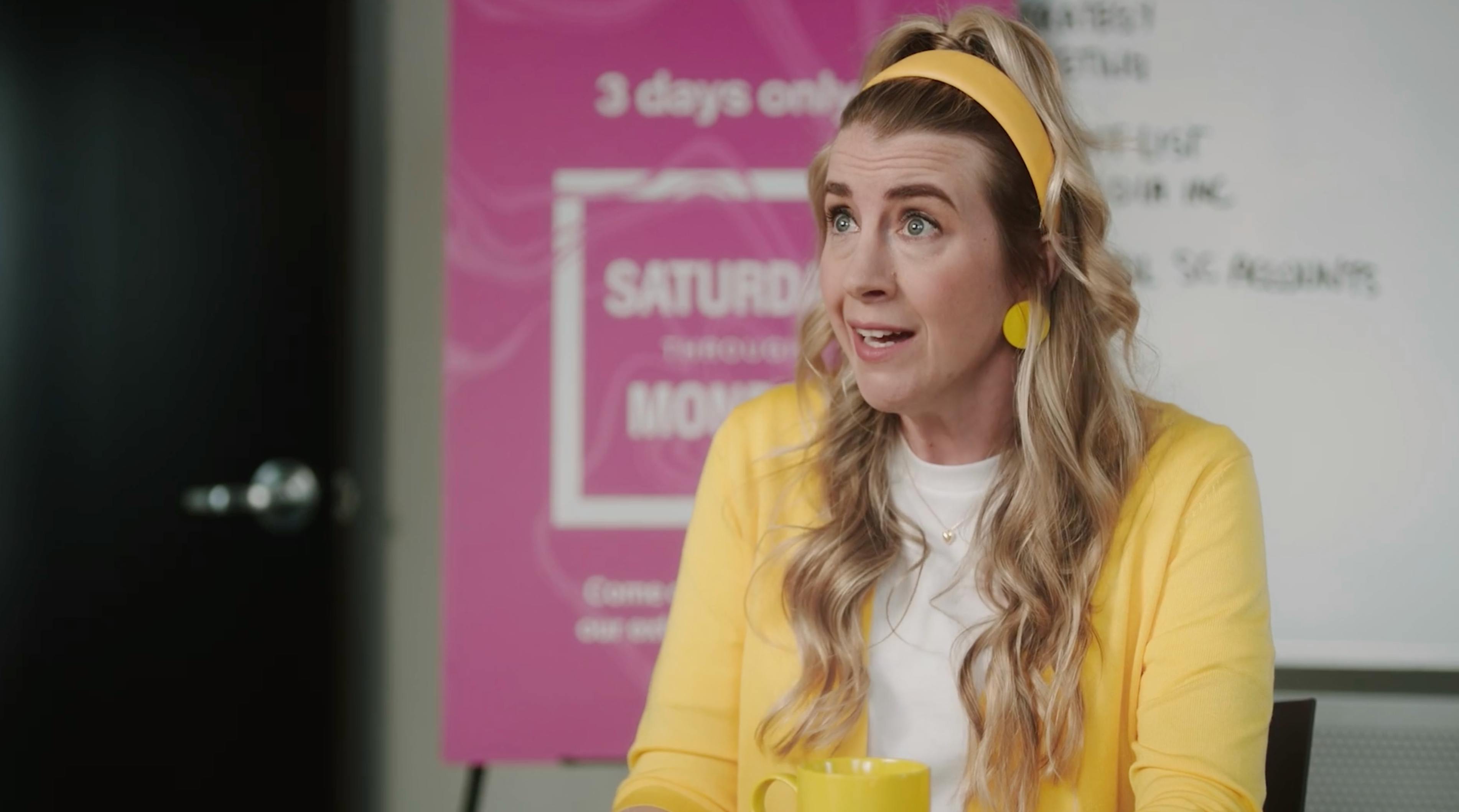
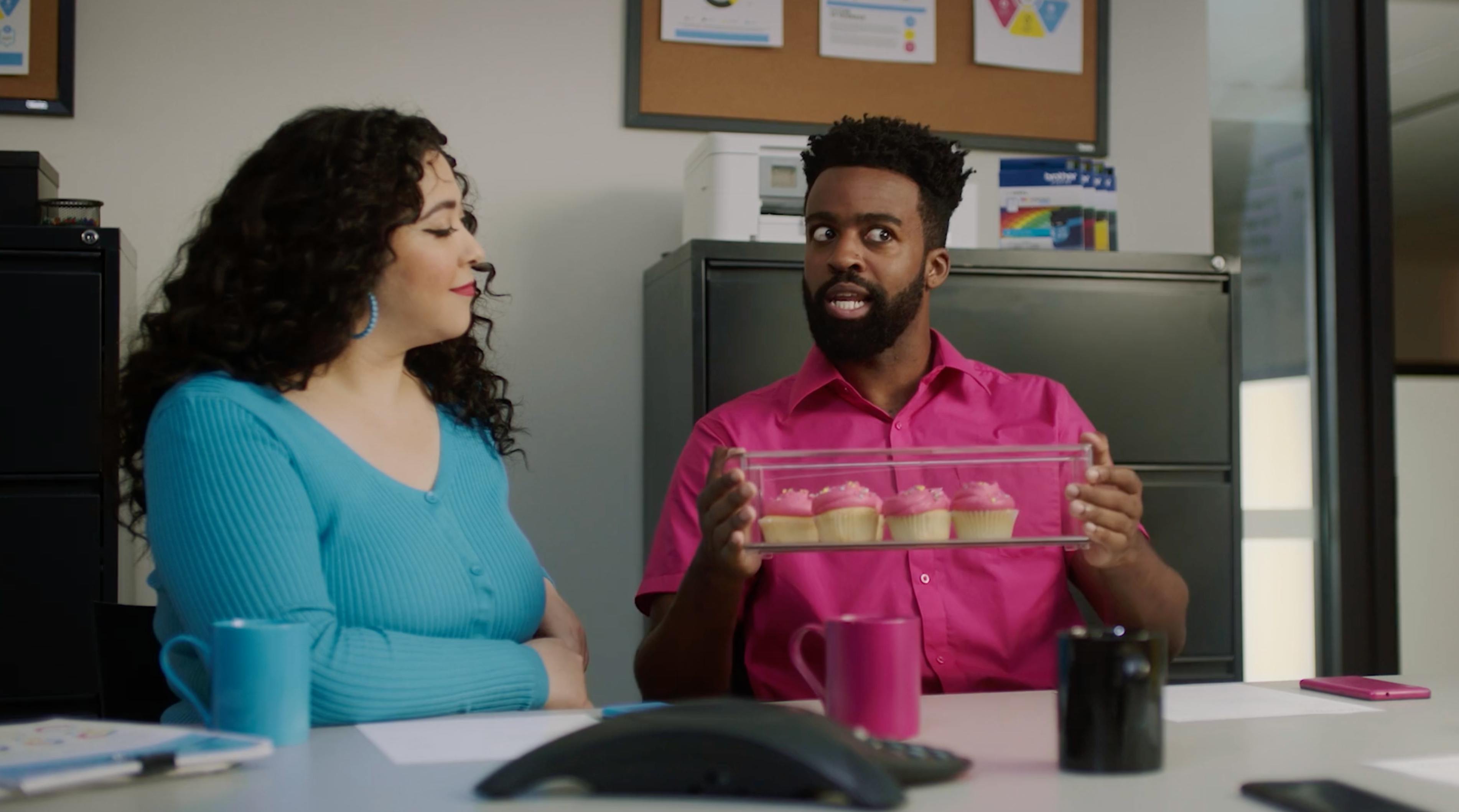
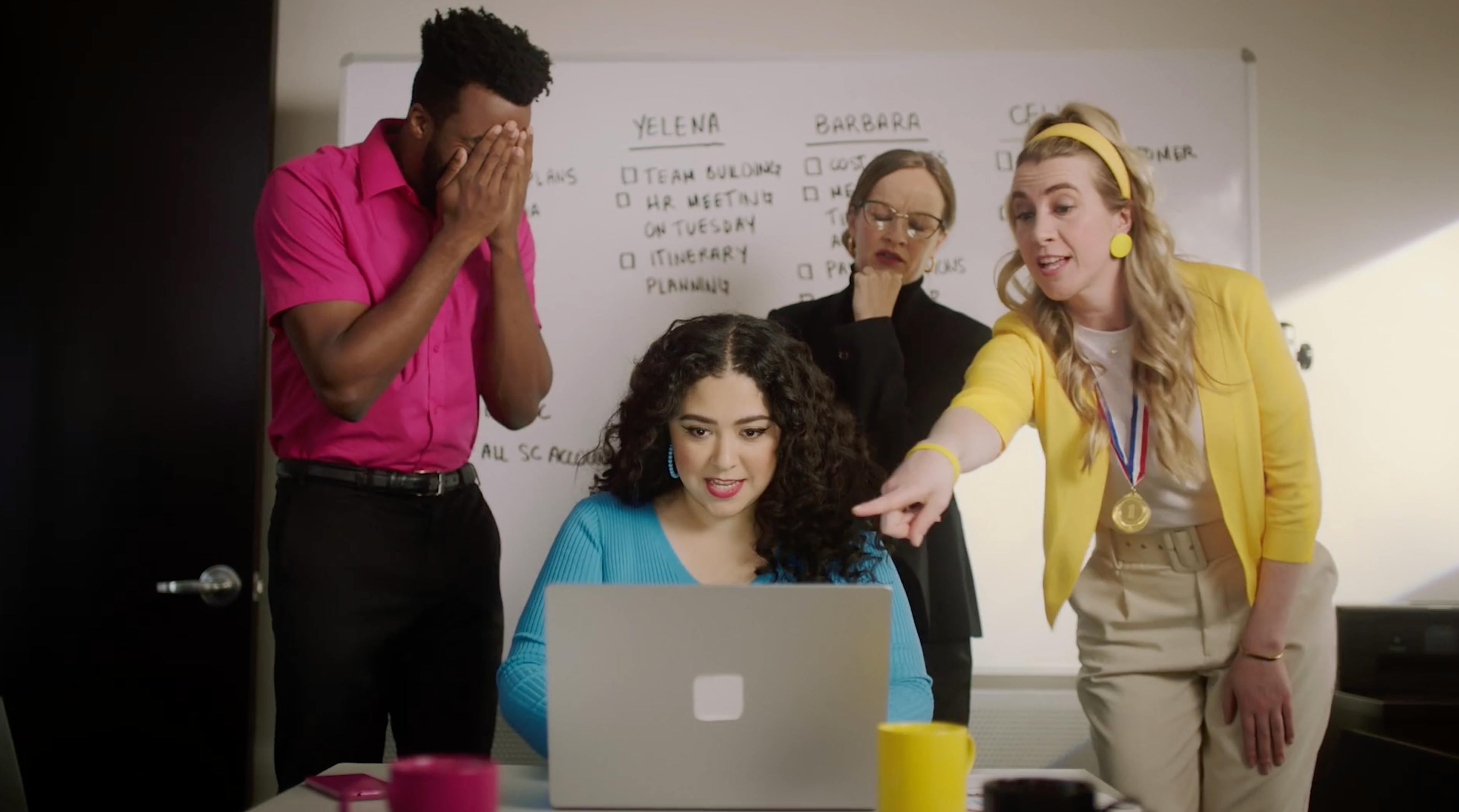
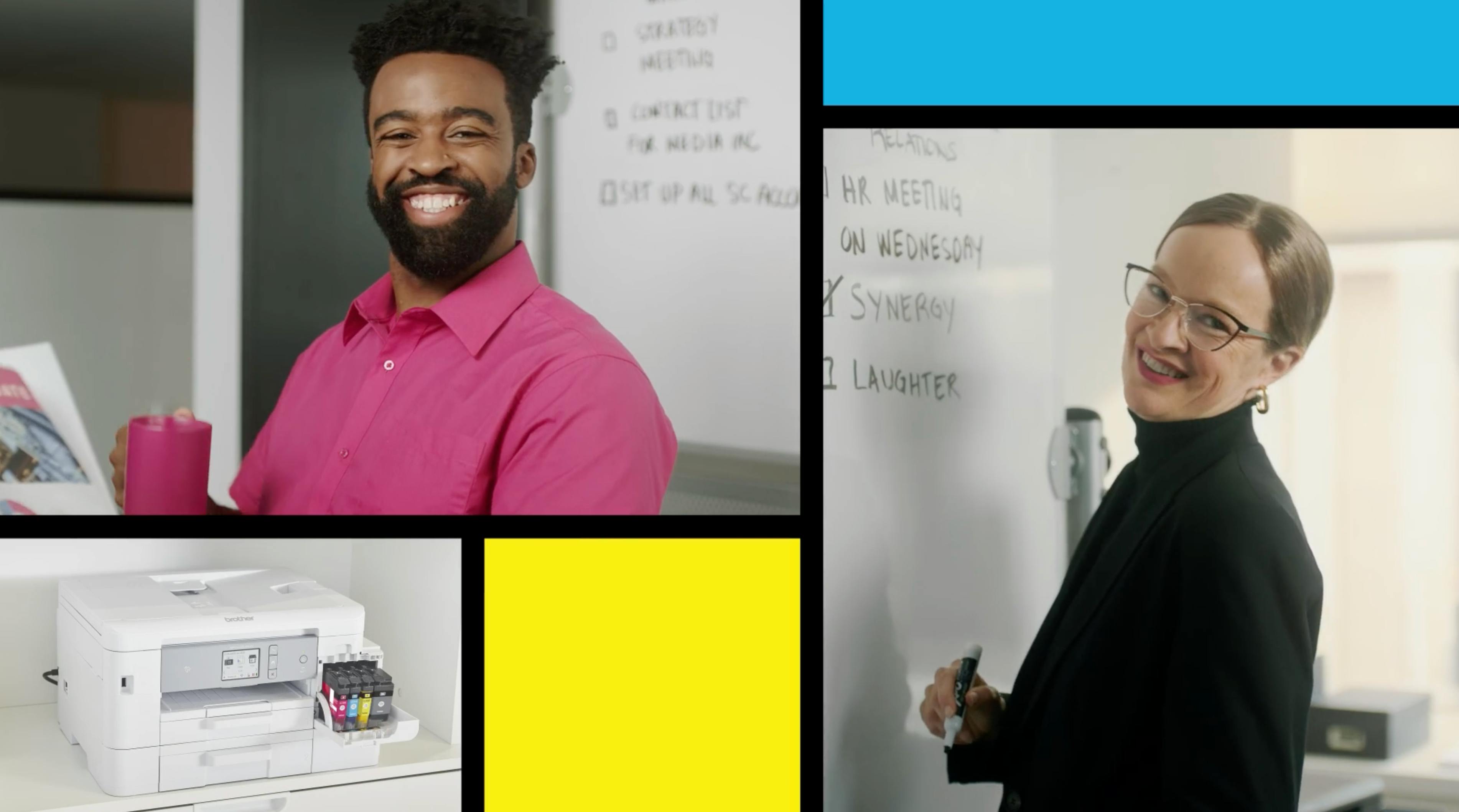
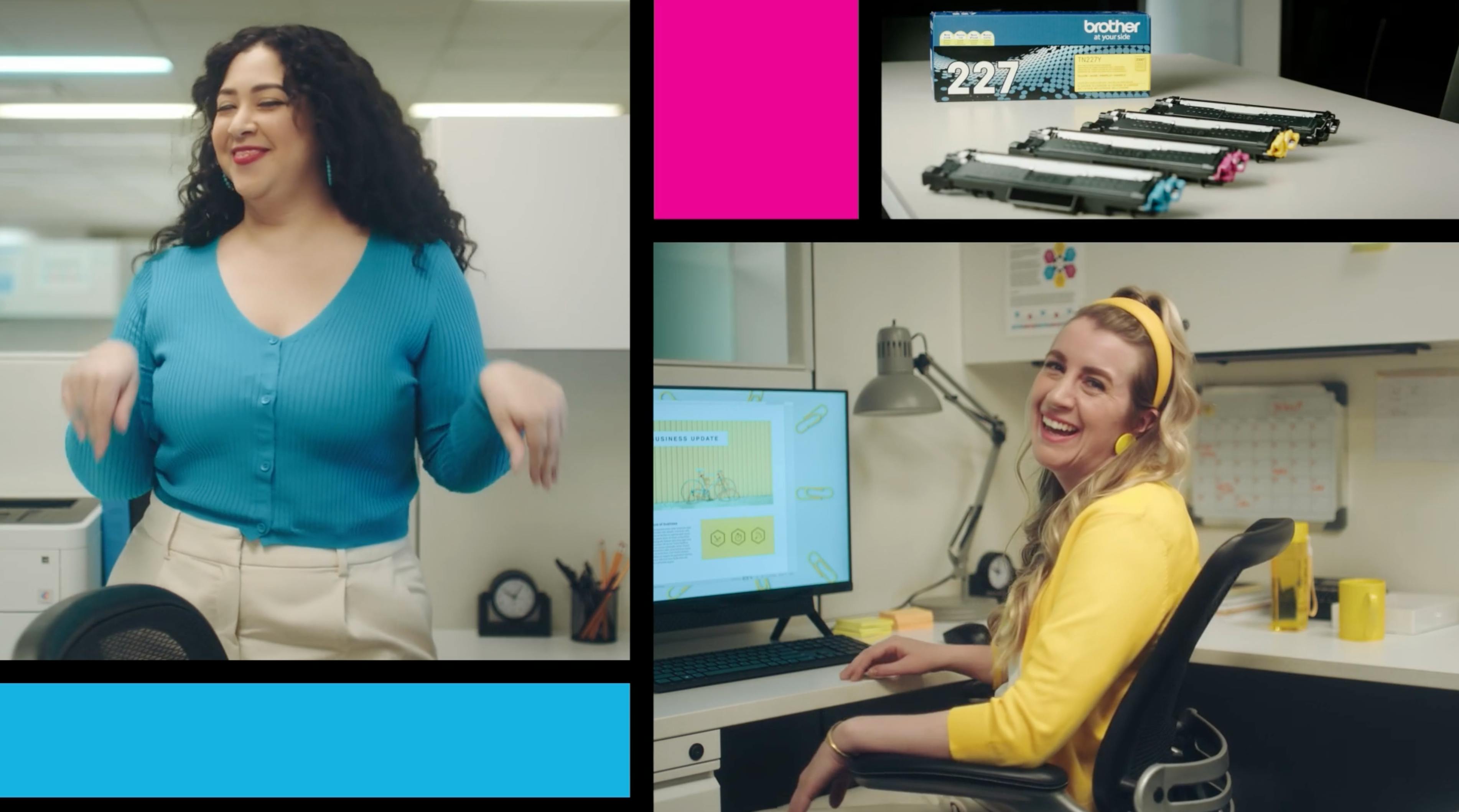
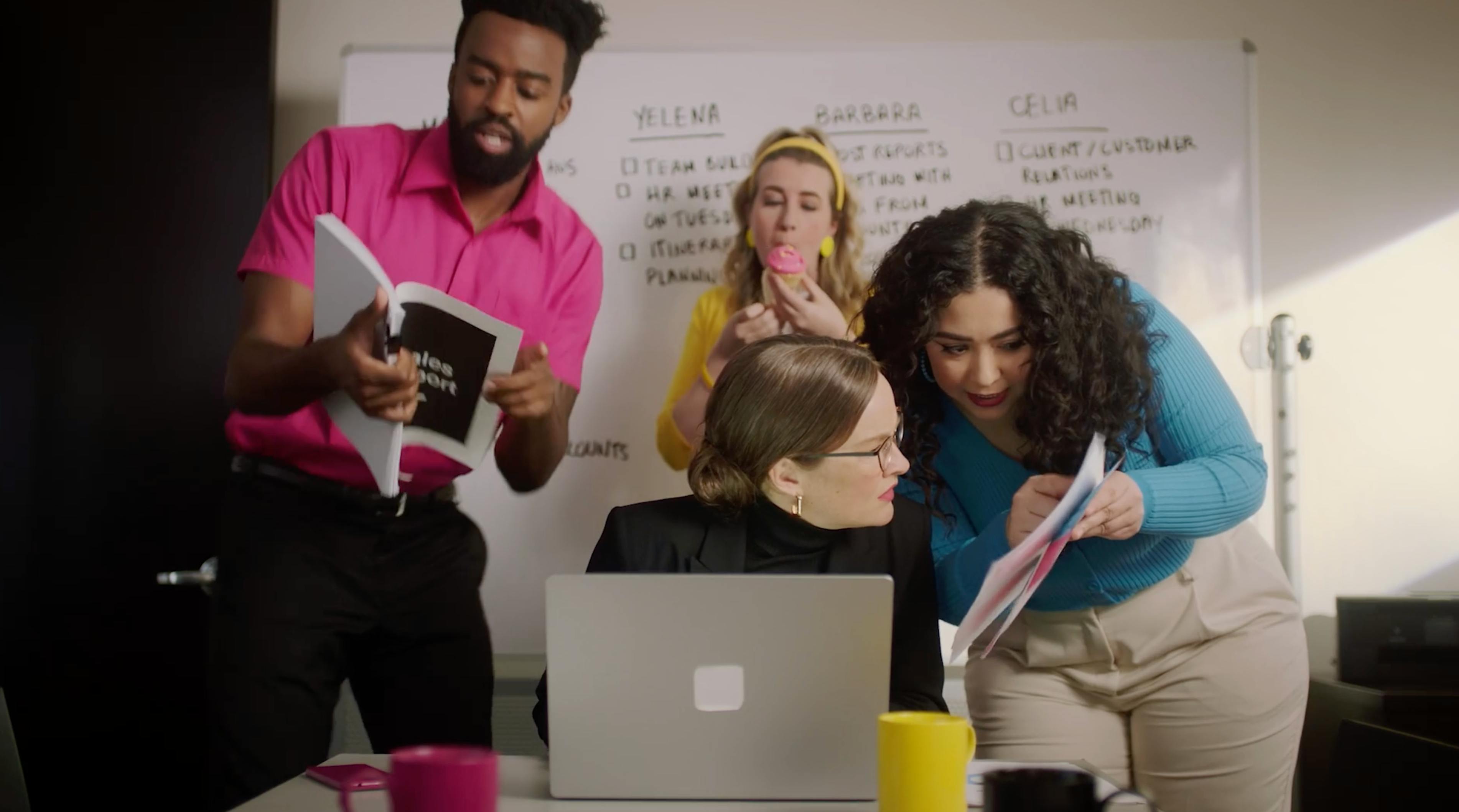
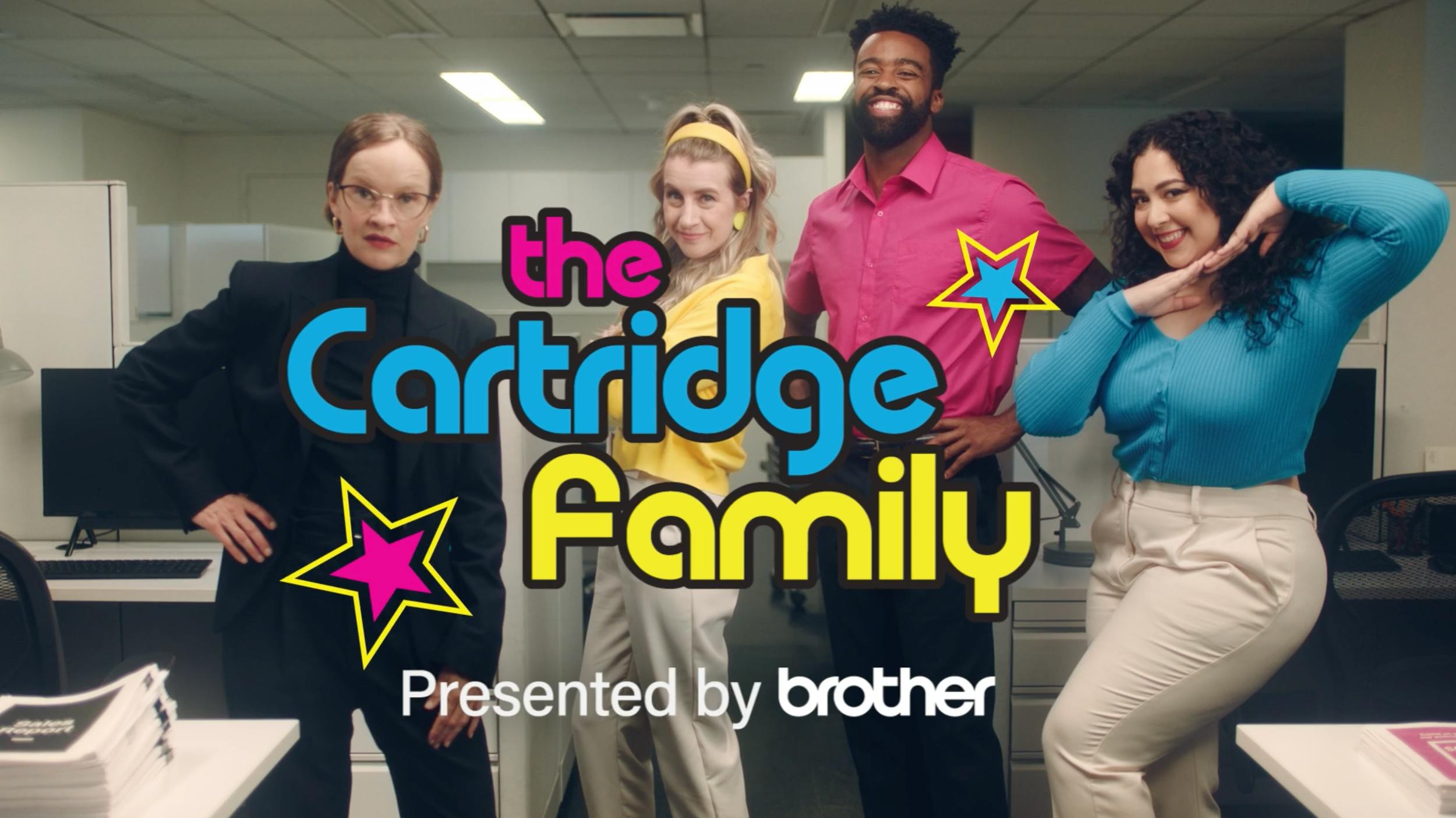
Production design was one of the campaign’s strongest assets. Each character was given their own color palette, which echoed the Brother cartridge system while also making each person feel distinct. That visual coding helped the series feel cohesive across episodes while still giving each installment its own personality.
The sets were designed to feel real, lived-in, and slightly exaggerated in a sitcom-friendly way. Little details, props, accessories, books, and office objects, helped communicate personality quickly, which is essential in short-form branded content where the story has to land immediately.
Casting for Comedy
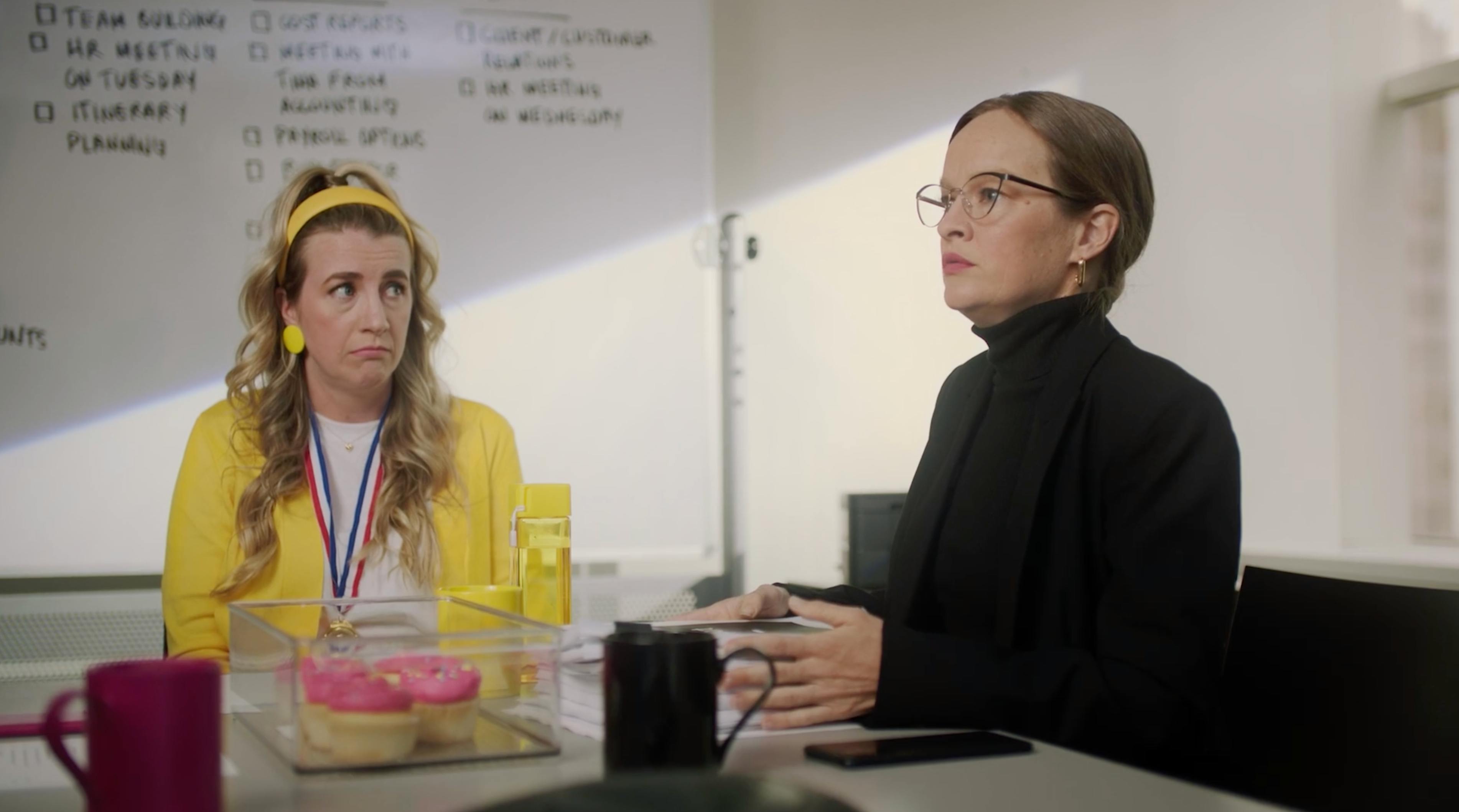
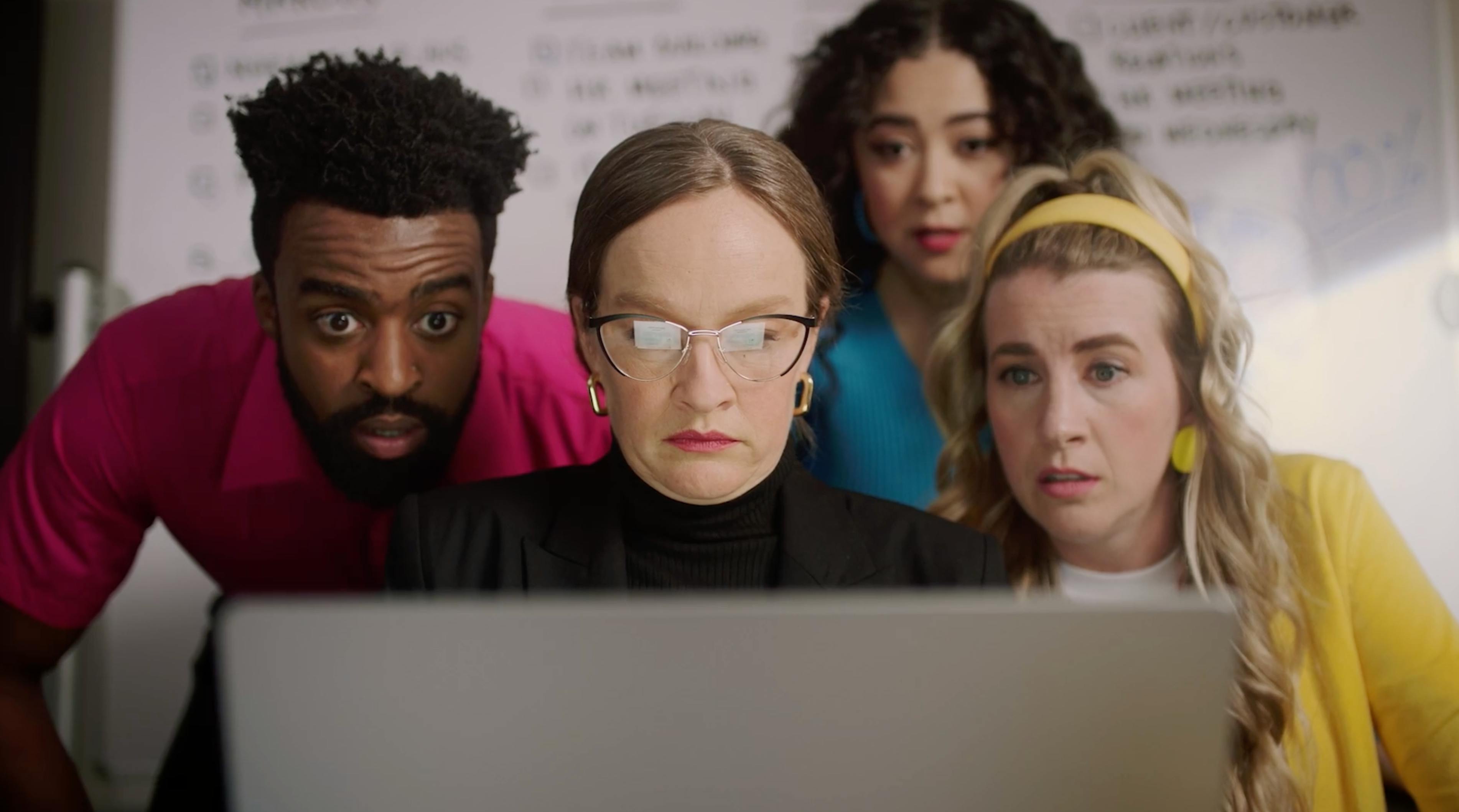
The casting strategy depended on finding actors with expressive faces and strong comedic instincts. Since each actor represented one of Brother’s cartridge colors, the ensemble had to feel odd but compatible, like a workplace family that should not work on paper but absolutely does on screen.
That casting approach is one of the reasons the campaign feels memorable. In branded series, the characters are often the retention device; if the audience likes the people on screen, they come back for the next episode. Brother used that principle effectively.
The series featured Maya Murillo as Celia (Cyan Ink), Landon Moss as Marcus (Magenta Ink), Ceara Jane O'Sullivan as Yelena (Yellow Ink), and Kara Morgan as Barbara (Black Ink). That cast choice was important because each performer had to embody a distinct cartridge personality while still working as part of a believable ensemble, which is exactly what makes the workplace-family dynamic feel memorable and the branded series easy to follow.
Those four roles also gave the campaign a clean character system: each ink color became a recurring comic identity, helping Brother turn a technical product story into something sitcom-like, character-driven, and easy to remember.
Why Series-Based Branded Content Works
The Cartridge Family proves that series-based branded content is more powerful than a single stand-alone ad because it gives the brand a recurring universe. That universe can live across social, web, PR, and award conversations, multiplying the campaign’s value over time.
It also gives the brand more than just awareness. A good branded series can shift perception, create cultural stickiness, and make a practical product category feel entertaining and ownable. That is a major advantage for businesses trying to build both demand and differentiation.
For brands researching the broader role of video in this strategy, Wild / Factory’s guide to branded video content explains how storytelling-led video can build attention, trust, and longer-term audience relationships.
Why Episodic Content Is Worth the Investment
Despite the challenges, episodic content can be one of the most powerful tools in a legacy brand’s marketing mix. A successful series creates repeat engagement, stronger brand recall, and a more durable content footprint than a single campaign film. It also gives the brand a reusable storytelling platform that can be extended, refreshed, and repurposed over time.
For legacy brands trying to stay relevant in a crowded media landscape, that is a major advantage. Episodic branded content can help transform a familiar company into a cultural participant, not just a category incumbent. It can also support broader marketing goals by feeding social engagement, branded search, website traffic, and long-tail discoverability.
2
Webby Nominations for Best Content Series
4x
Great comedians in CMYK roles
$3.64Bn
Brother printing & solutions business revenue 2022
What the Campaign Delivered
Brother’s campaign did what memorable branded content should do: it made a product story feel fun, repeatable, and distinct. It also earned industry recognition, including two Webby Award nominations, which is a strong signal that the work resonated beyond its immediate marketing purpose.
The combination of smart concepting, strong performance, efficient production, and consistent world-building turned a basic office category into an entertainment property. That is the kind of work that not only drives brand value, but also creates a durable SEO footprint through case study coverage, award mentions, and digital search interest.
Why Wild / Factory Is a Strong New York Video Production Company for Branded Series
Wild / Factory is particularly well suited to projects like this because the company combines creative agency thinking, local New York production expertise, white-label flexibility, and post-production capability under one roof. That makes it easier to build branded content series that are strategically aligned, visually polished, and operationally efficient.
Based in New York with an office at 85 Delancey Street, Wild / Factory can support brands and agencies that need an NYC video production company with local production knowledge and an integrated creative-to-post workflow. The company also represents an award-winning roster of commercial directors, allowing the directing approach to be matched to the specific tone, performance style, and production demands of each brief.
For brands and agencies, that is the real value: one partner that can help turn a simple product brief into a memorable content franchise. In a media environment where attention is expensive and audiences have endless choices, that kind of branded content can be one of the smartest investments a business makes.
Frequently Asked Questions
What Is a Branded Series?
A branded series is a sequence of connected episodes created for or by a brand around a repeatable story, character system, or creative premise. Unlike a one-off advertisement, it is designed to build recurring audience engagement over multiple pieces of content.
Why Do Brands Use Episodic Content?
Episodic content gives brands a reusable storytelling platform that can support repeat viewing, stronger brand recall, social distribution, paid media, CTV, and longer-term audience relationships.
Can a New York Video Production Company Produce a Multi-Episode Branded Series?
Yes. A New York video production company with integrated creative, production, and post-production capabilities can plan multiple episodes, platform-specific cutdowns, social assets, and future extensions within one coordinated production workflow. The Cartridge Family is an example of that model, with five episodes produced in a single shoot day using detailed pre-production and a real New York office location.
Closing Perspective
The Cartridge Family demonstrates why memorable branded content matters so much for businesses: it transforms a utility product into a character-driven story, gives the audience something entertaining to return to, and builds brand affinity in a way static advertising cannot.
For Brother, the series elevated ink and printers into a playful sitcom world. For Wild / Factory, it was a showcase of how a New York hybrid creative-production agency can deliver a fully realized branded series from concept to final cut.