How to Choose the Right Video Production Company for Your Brand
How to Choose the Right Video Production Company for Your Brand
A Definitive Guide for Marketers, CMOs, and Founders
Director
Wild / Factory
Year
2026
Director
Wild / Factory
Year
2026
Type
How-to Guide
Industry
Advertising
Every brand that has ever gone to market with a bad video knows the sinking feeling: the footage is flat, the concept evaporated somewhere between the brief and the edit bay, and the final spot looks like it was made by a different company than the one you hired. Choosing the wrong video production partner isn't just a creative miss — it's a budget loss, a time loss, and sometimes a brand-trust loss you can't fully recover.
This guide exists to fix that. Whether you're a CMO at a scaling startup, a growth officer planning a performance campaign, or a founder preparing to make your first real brand film, the framework below will help you ask better questions, evaluate the right signals, and avoid the traps that derail even well-intentioned productions.
1. Know What You're Actually Buying
The first mistake brands make is treating a video production company like a vendor. A production company is not a vendor. At its best, it is a strategic partner with an opinion about how your idea becomes a film — and how that film becomes a result.
What you are actually buying when you hire a production company:
Creative translation: Can they take a brief and turn it into a concept that is both faithful to the brand and watchable?
Executional precision: Can they build a shoot that runs on time, on budget, and captures what the storyboard promised?
Post-production integrity: Can they deliver a final cut — color graded, mixed, versioned for every platform — that looks and sounds like it was made with intent?
Campaign thinking: Can they build an asset ecosystem, not just one hero spot?
The brands that get the most from their production partners are the ones who treat them as co-authors. The brands that get the least are the ones who hand over a PowerPoint and expect magic.
2. Identify Your Production Model — Before You Start Shopping
There are several distinct types of production companies, and they are not interchangeable. Understanding which model fits your needs is the first qualification filter.
The Full-Service Hybrid Agency
This model combines creative strategy, concepting, production, and post under one roof. The benefit is continuity — the people who develop the idea also execute it, which reduces the translation loss that plagues siloed workflows.
This is the model Wild / Factory operates on. As they describe it, brands benefit from a setup where "strategy and production are tightly connected," giving marketers "a cleaner path from brief to storyboard to shoot to final asset delivery." For brands that need speed, creative accountability, and volume output — especially for multi-platform campaigns — this is often the smartest choice.
Best for: Startups, growth-stage brands, CMOs under pressure to produce content quickly without sacrificing craft.
The Traditional Production House
A production house executes work but doesn't originate creative. You bring the fully formed concept; they bring the crew, gear, and logistics. This model works when your in-house creative team or agency already has the idea locked and simply needs a high-quality production team to realize it.
Best for: Brands with mature in-house agencies or creative partners who have already done the strategic work.
The White-Label Production Partner
Some production companies specialize in operating behind the scenes — executing work under another agency's or studio's banner. Wild / Factory, for example, serves this function for agencies that need "extra firepower" without adding headcount: access to live-action, VFX, CGI, motion graphics, and 3D animation on demand.
Best for: Agencies managing overflow, independent shops scaling up for a large client pitch, or in-house teams that need specialized production capability.
The Boutique Director-Focused Company
These shops are built around one or two signature directors with a distinctive visual style. The upside is an instantly recognizable aesthetic. The risk is narrow range — if the brief doesn't fit the director's lane, the work suffers.
Best for: Fashion, luxury, and high-concept brand campaigns where visual authorship is a strategic asset.
3. Audit the Reel — But Go Deeper Than the Highlights
Every production company puts its best work forward. That's table stakes. What separates good research from shallow research is your ability to read behind the reel.
Ask these questions when reviewing a portfolio:
Does the work span categories, or is it one-note? A strong production company can adapt. Look for evidence that they have told very different kinds of stories — comedy and drama, celebrity-driven and character-driven, technically complex and emotionally intimate — and done each one with conviction.
Is the craft consistent, or are there quality cliffs? Watch for the gap between the showcase reel and the secondary work. A company that can make one great-looking spot but buries its B-tier work has a capacity or consistency problem.
Can you see the brief in the execution? Great production work always reflects a clear point of view on the client's problem. If you watch a spot and can articulate the insight it's built on, the production company understands strategy. If it just looks nice, that's a warning sign.
Does the work perform, or just win awards? Ask directly for results. Production companies working with brands like Wild / Factory can point to concrete outcomes: AirAlo's "Bill Shock" campaign generated roughly 20 million organic YouTube views in its first month. Bonobos' Justin Rose work delivered 7.5 million impressions and 700% more engagements than the average CBS Sports TikTok post. Numbers like these tell you the work connected with real audiences, not just award juries.
4. Test for Strategic Alignment, Not Just Creative Taste
Many brands choose production partners based on aesthetic compatibility — they like the "look." That's necessary but insufficient. What you really need is a partner who understands your business problem.
Wild / Factory's masterclass on pitching makes this point with precision: "The best pitches make the client feel seen, confident, and excited." The strongest production partners "begin with the client's business challenge, not their favorite idea."
In practice, this means running a structured brief evaluation. Give your shortlisted production companies the same brief and watch what comes back. The companies that lead with your problem — not their portfolio — are the ones who will serve you best.
Green flags in a strategic pitch:
They articulate your audience's specific tension or pain point
They propose a single, sharp creative insight — not a menu of concepts
They show how the work will live across platforms and formats
They flag production risks proactively and offer solutions
They ask questions about your business, not just your aesthetic preferences
Red flags:
They show you work from other categories as inspiration without connecting it to your specific challenge
They present style-over-substance treatments that look beautiful but don't solve anything
They can't explain, in plain English, what the audience will feel or do after watching the work

5. Evaluate Their Celebrity and Talent Management Capability (If Relevant)
Celebrity-driven campaigns introduce a whole additional layer of complexity — and the production company's experience navigating it matters enormously. Securing talent, managing approvals, protecting creative integrity across usage rights and geographic markets, and keeping improvisation alive while respecting contractual constraints are all specialized skills.
Wild / Factory's experience on the AirAlo "Bill Shock" campaign with Ken Jeong illustrates this well. Negotiations for high-profile campaigns can stretch for months, with legal teams scrutinizing usage, markets, and cutdowns across TV, social, and digital. Their track record with celebrity deals helped AirAlo navigate those complexities while protecting both budget and creative integrity.
The production team's approach on that campaign — locking non-negotiables early (key lines, brand claims, safety rules) and leaving room for improvisation inside each setup — helped maintain trust across all stakeholders: client, talent, and agency alike.
When evaluating a production company for celebrity work, ask:
How many celebrity-fronted campaigns have you produced in the last two years?
How do you handle last-minute creative changes from talent management?
Who on your team manages talent relations on set?
How do you balance scripted moments with improvisation?
6. Scrutinize Their Pre-Production Process
The difference between a production company that delivers and one that doesn't is usually visible long before the shoot day. How a company approaches pre-production is the single most reliable predictor of what happens on set.
As Wild / Factory's work on Bonobos' "A Course In Style" campaign demonstrates, the least glamorous part of video production is often where campaigns live or die. Translating a loose brief into a locked script, casting plan, and shot list takes discipline. A strong production partner takes the lead here: interrogating the brief, clarifying the audience, and mapping out where each asset will live before a single frame is shot.
Pre-production questions to ask any shortlisted company:
Walk me through your script-to-storyboard process. Who is in the room?
How do you stress-test budget against creative ambition before committing to a shoot?
What is your contingency planning process for weather, location, or talent challenges?
How early do you involve post-production in the shoot planning?
What does your casting process look like, and who approves talent before the shoot?
The Blockchain.com "Don't Get Held Up" campaign with William Shatner — executed with just seven days of prep from green light to principal photography — shows what a disciplined pre-production sprint looks like at its best: location scouted and locked, SAG-AFTRA contracts fast-tracked, camera positions pre-visualized, and post pipeline established before the shoot even began. That level of preparation doesn't happen by accident.
7. Demand Proof of Platform-Native Thinking
This is where many traditional production companies fail modern brands. The old model was: make the TV spot first, then cut it down for digital. The new model is: design the campaign ecosystem from the brief, then scale in both directions — up to hero broadcast and down to six-second social hooks.
Your production partner should be able to articulate, before the shoot, exactly how the work will be versioned for every platform in your media plan.
The Bonobos Justin Rose campaign is a textbook example of how this works in practice. The team designed a dynamic opening shot that communicated the concept in seconds for social, created short-form vertical 30-second cuts for TikTok and Instagram Reels, and produced a longer hero edit for YouTube and Facebook — all from the same single concept. That multi-cut approach let the creative idea stretch across awareness, engagement, and consideration environments without fragmenting the story.
Ask any production company: How do you design a shoot to produce a content library rather than a single asset? If they can't give you a concrete answer about alt lines, social-first cutdowns, and platform-specific formats, they're still thinking in the old paradigm.
8. Evaluate Their Sensitivity to Category and Audience
Not all categories are created equal. Healthcare, fintech, pharma, and mental health advertising all carry constraints — regulatory, ethical, tonal — that demand production partners with real experience in the category.
Wild / Factory's work on BetterHelp's "Fragment" and "Better Angle" campaign is a masterclass in how to handle a sensitive mental health brief. When creating an ad campaign for a mental health client, the most important rule is simple: be useful, be human, and be careful. Mental health audiences respond best to authentic storytelling, evidence-based messaging, clear calls to action, and campaigns that avoid overpromising or sensationalizing.
In that campaign, the production company didn't just execute a script — they made an invisible emotional experience visible through production craft, using motion-control photography, multiple-pass compositing, and spatial distortion to dramatize anxiety without trivializing it. The result was work that felt cinematic without losing the intimacy required for a mental health brand.
For regulated categories (pharma, healthcare, fintech), ask:
How do you handle compliance review rounds without losing the creative?
Can you show me work where you successfully navigated legal/regulatory notes?
How do you brief actors playing patients or real people in sensitive categories?
What is your experience with fair balance, ISI integration, and claim substantiation?
For startups and challenger brands, ask:
How do you build modular scripts that can pivot if the product messaging changes?
How do you design graphics and supers that can be updated without a reshoot?
What does your fast-turnaround pipeline look like for social cutdowns?
9. Ask About Set Culture — Seriously
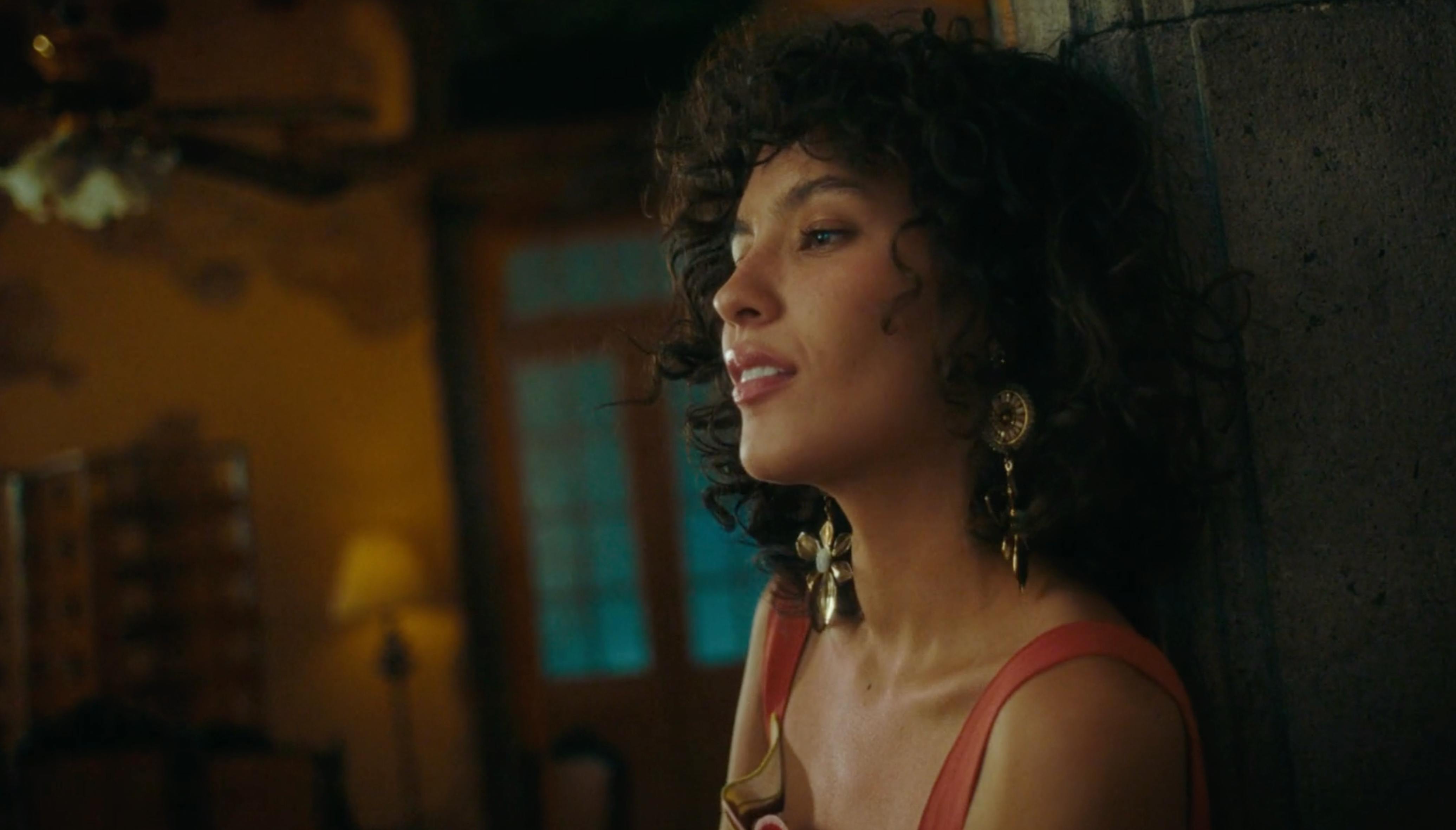
This is not a soft question. Set culture directly affects output quality, talent performance, and brand risk. Productions that run on stress, poor communication, and unclear roles produce work that reflects those conditions. The best production companies know that safety, inclusion, and clarity are not HR requirements — they are production imperatives.
As Wild / Factory documented in the Bill Shock case study, managing 100+ crew and cast members requires more than logistics. It requires psychological safety, especially for emerging crew and talent trying risky comedic beats, clear roles and pre-read call sheets to reduce on-set friction, and inclusive practices that make every department feel accountable to the work.
Ask:
How do you handle safety briefings on physically demanding or comedic shoots?
What is your policy on turnarounds between shoot days?
How do you onboard emerging crew members into complex productions?
Can you share your approach to equitable pay across departments?
A production company that can't answer these questions fluently is operating on instinct rather than intentional culture — and that gap will eventually show up in the work.
10. Clarify the Post-Production Pipeline
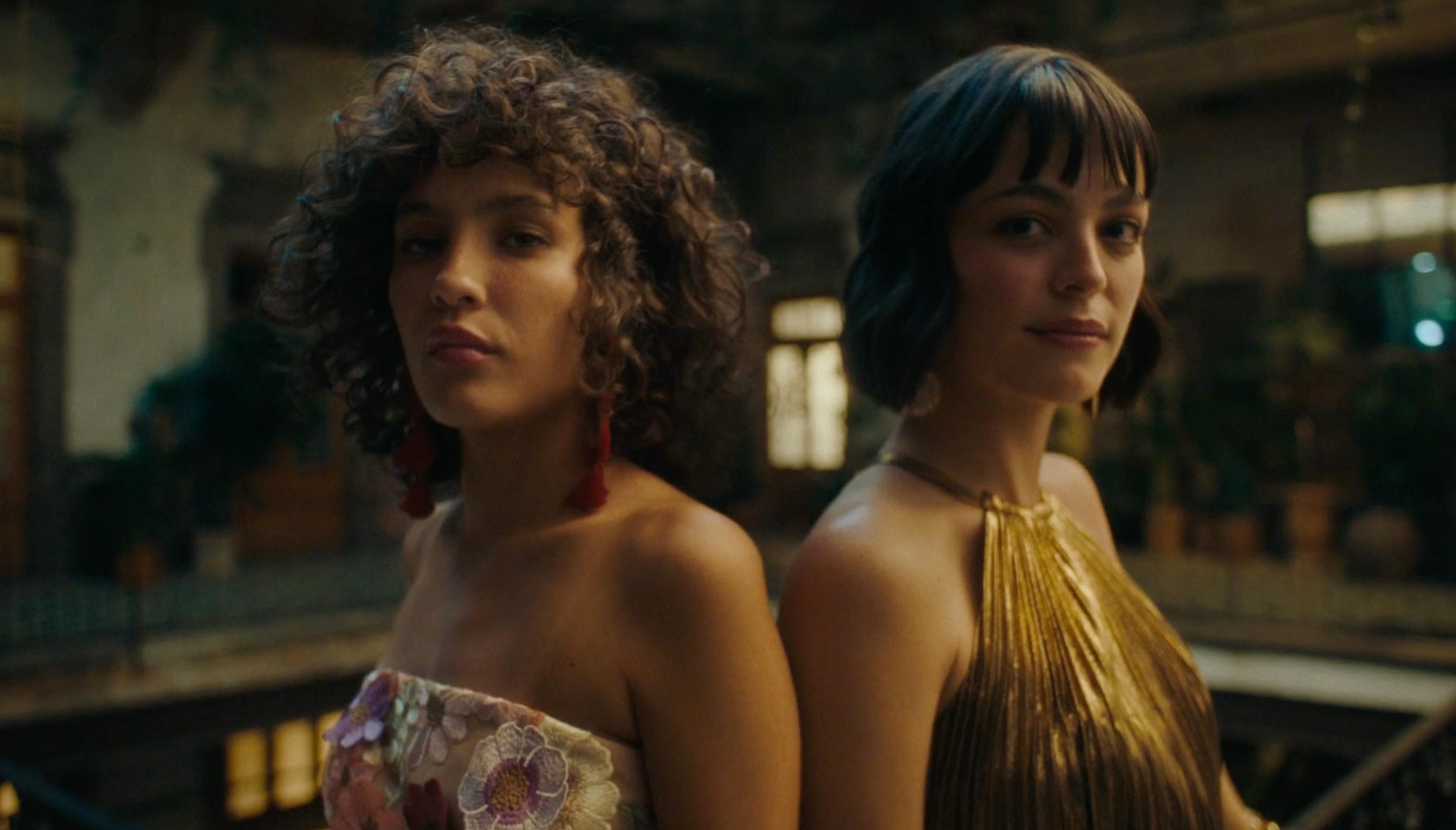
The shoot is only the beginning. A brand film that has beautiful footage but mediocre editing, color, sound, and delivery is a failed campaign. Post-production is where creative ambitions either get realized or diluted, and the production company's post capability is a critical evaluation criterion.
Key post-production questions:
Is post-production in-house or outsourced? (If outsourced, who are your partners?)
How do you manage the feedback loop between the client and the editor?
What is your versioning process — how do you produce 20 assets from one shoot without losing quality control?
What platforms do you master for (broadcast, social, OTT, CTV, digital)?
Who signs off on color and mix, and what is your QC process?
The BetterHelp campaign's visual ambition — multiple-pass single-shot compositing, motion-control photography, spatial distortion effects — only worked because the post pipeline was designed in tandem with the shoot strategy. That kind of integration between production and post is a competitive differentiator you should probe directly in every evaluation.
11. Understand the White-Label Question
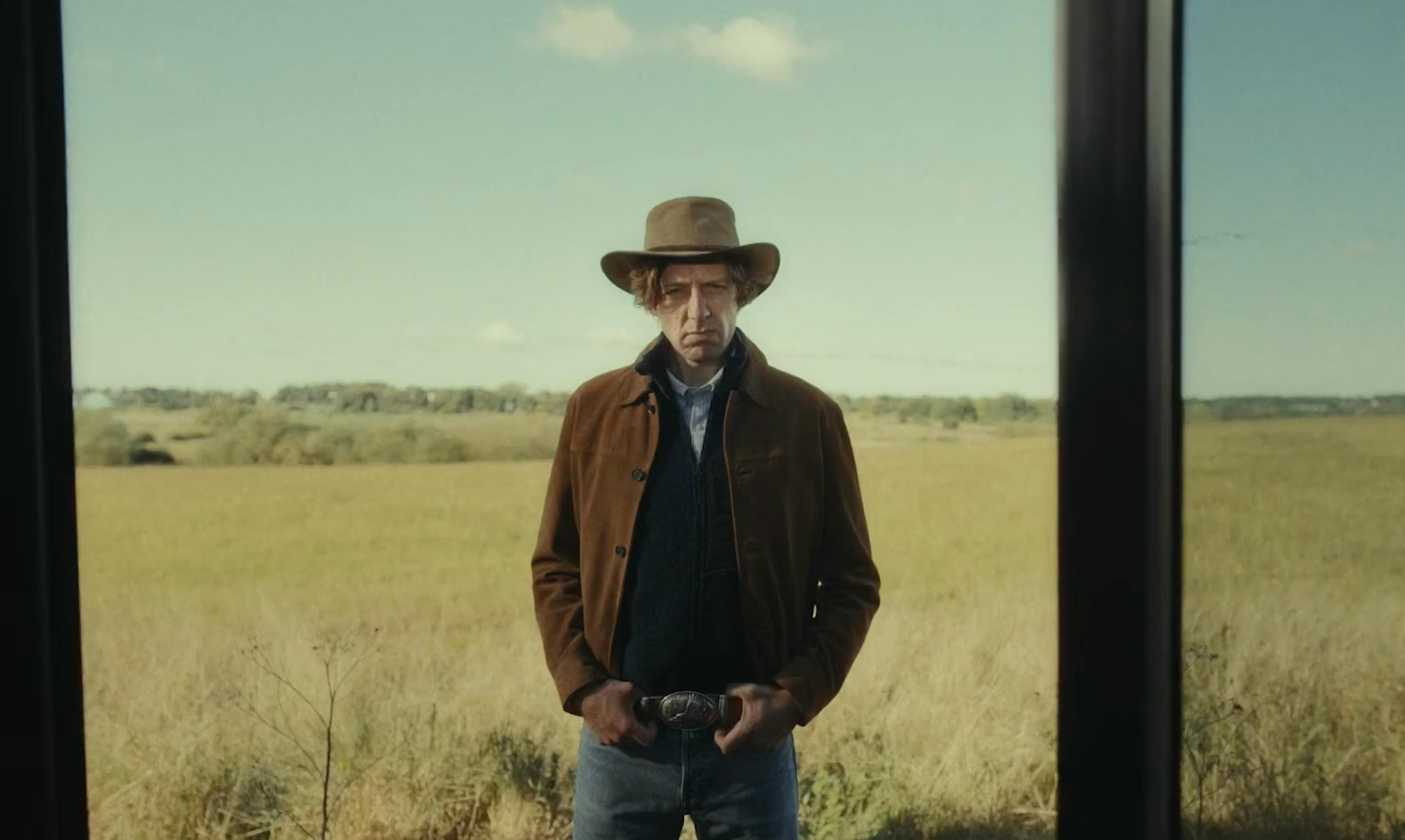
Here is something the industry rarely says out loud: a significant portion of the branded content you have watched was not made by the agency that presented it. It was made by a white-label production partner operating invisibly behind the agency's brand.
This is not inherently problematic — it can be a feature, not a bug. As Wild / Factory describes it, the white-label model allows agencies to access live-action, VFX, CGI, motion graphics, and 3D animation without adding headcount or re-architecting internal teams. For end clients, it often means better craft and smoother timelines.
What matters for brands is understanding when you are working with the actual creative production team versus when there is an intermediary. The risk of excessive intermediation is diluted creative feedback, slower revision cycles, and inflated costs. When evaluating an agency relationship, it is entirely reasonable to ask: Who will physically produce this campaign? Can I meet the production team?
Direct relationships with hybrid production companies — especially for brands that produce a significant volume of content — often deliver faster turnaround, tighter creative alignment, and stronger cost efficiency than traditional agency-to-production-house pipelines.
12. Budget Intelligence: What Does the Number Actually Buy?
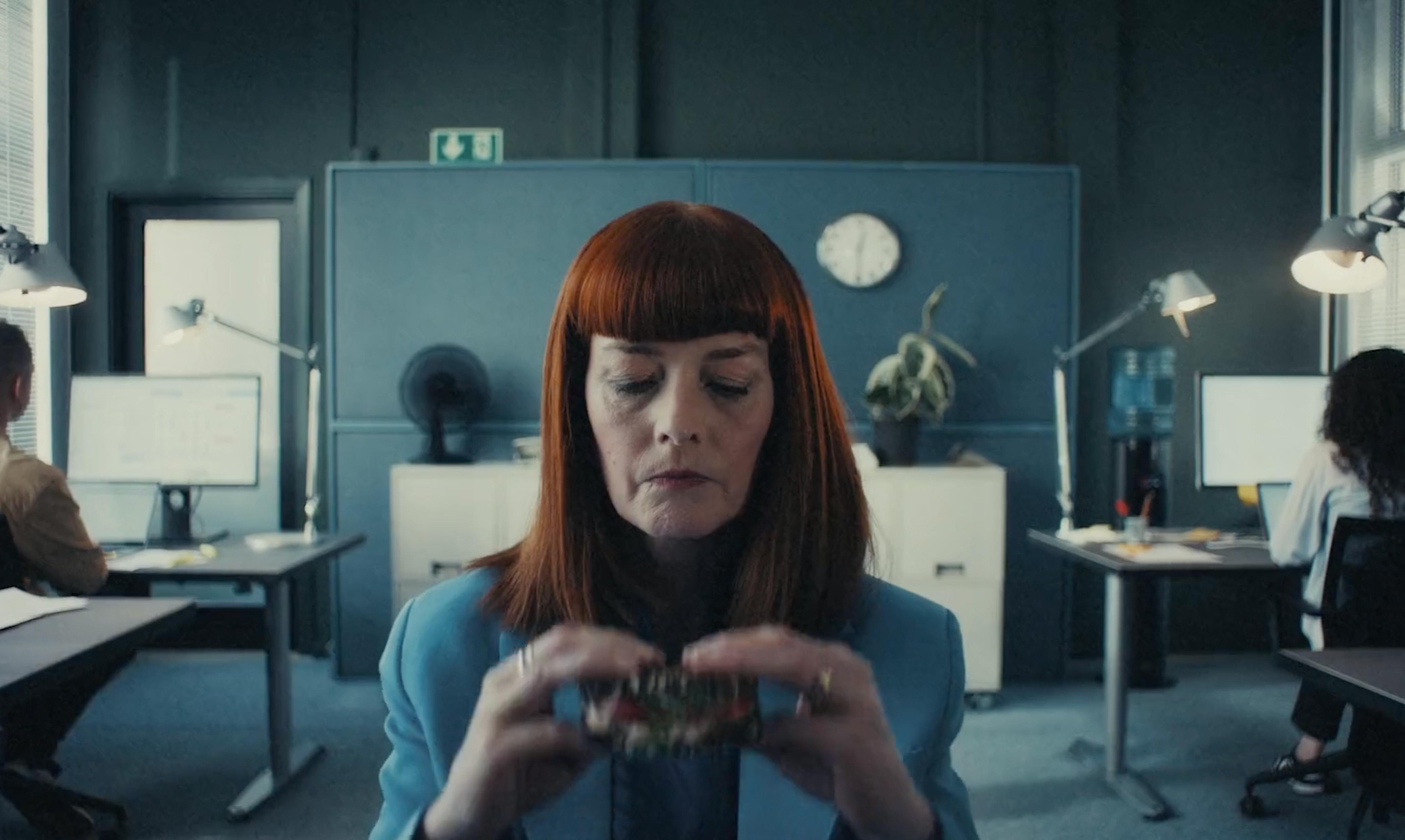
Budget conversations with production companies are often theatrical on both sides. Brands understate constraints to avoid anchoring; production companies overstate complexity to protect margin. The most productive engagements start with radical transparency about what money is actually on the table and what the non-negotiable deliverables are.
A few principles for budget conversations:
Separate the idea cost from the production cost. A great idea that is photographed badly wastes the creative investment. An expensive shoot that lacks a sharp insight wastes the production investment. They need to scale together.
Ask for tiered options. Experienced production companies can show you what the concept looks like at 70% of the proposed budget, at 100%, and at 130%. That range tells you a lot about their thinking and their flexibility.
Build in content library thinking. Producing 30 assets from one shoot is nearly always more cost-efficient than 30 separate shoots. Ask how the production company plans to maximize the value of every setup.
Understand the celebrity cost architecture. For campaigns involving celebrity or high-profile athlete talent — like the Bonobos x Justin Rose collaboration or AirAlo x Ken Jeong — usage rights, cutdowns, and geographic distribution windows can dramatically affect total cost. Make sure the production company has experience negotiating these terms, not just managing them after the fact.
Don't trade craft for volume. The temptation to squeeze more assets out of a budget by reducing per-asset quality is real and usually wrong. Audiences have exceptional radar for low-craft content, and the cost to your brand's perception is often higher than the money saved.
13. The Startup Playbook: Special Considerations
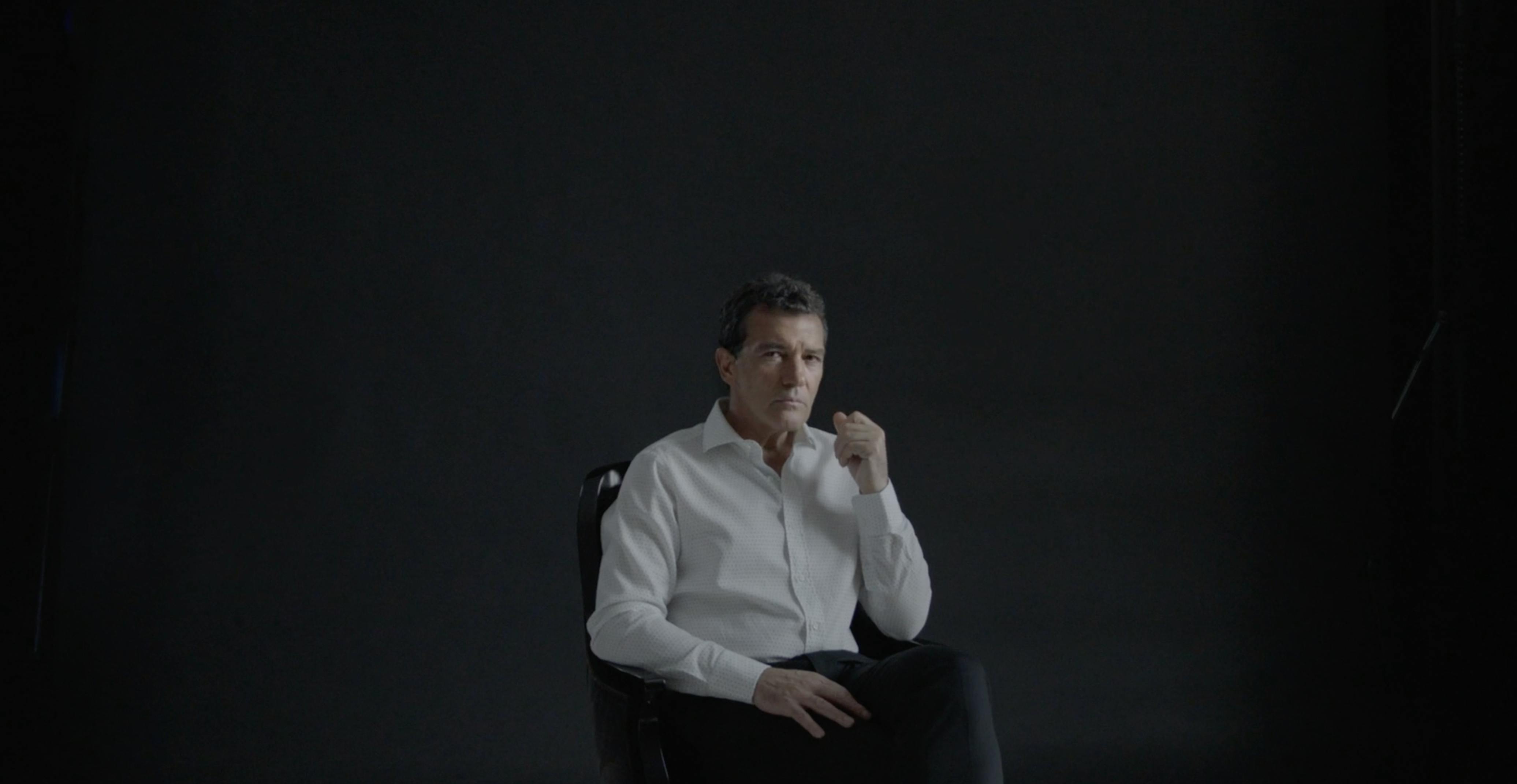
If you are marketing a startup or growth-stage company, your production criteria are weighted differently than an established brand. Speed, flexibility, and measurable ROI are paramount. Here is what the Wild / Factory case studies reveal about what works for challenger brands:
Pick one human problem and exaggerate it into a character or moment. AirAlo's Bill Shock campaign didn't explain eSIM technology through a product demo — it personified the pain of roaming fees as a loud, intrusive character that crashes vacations. The concept was immediately understandable, immediately shareable, and built around a single insight every traveler has felt.
Build modular creative from day one. Startups operate in a world where product features, pricing, and messaging can shift even while a campaign is in production. Build scripts that allow quick line swaps, design graphics that can be updated without reshooting, and schedule regular alignment between the production team and the product or marketing leads.
Treat celebrity as a force multiplier, not a substitute for an insight. Casting Ken Jeong or William Shatner only works when the concept is strong enough to carry the talent, not dependent on it. Shatner's self-aware persona and genuine crypto interest gave Blockchain.com's Don't Get Held Up campaign authentic amplification — not borrowed credibility.
Design for the content ecosystem, not the hero spot. AirAlo's campaign didn't end in the edit bay. The team built behind-the-scenes content, social shorts, branded micro-moments, and a PSA featuring the real-life Florida man whose $143,000 roaming bill inspired the campaign. The hero spots created awareness; the ecosystem drove sustained relevance.
14. The CMO's Evaluation Checklist
Before signing a production agreement with any company, work through this checklist:
Creative:
Does their reel demonstrate category fluency relevant to your brief?
Can they articulate your audience's core tension without being prompted?
Have they shown you a concept built around one sharp insight, not a menu of options?
Does their pitch make the client the hero, not the production company?
Production:
Do they have a documented pre-production process, or do they improvise?
Can they show you evidence of on-time, on-budget delivery on comparable projects?
Do they have in-house post-production capability, or do they outsource?
Have they designed a platform-native asset strategy, not just a TV spot cut-down plan?
Results:
Can they provide performance data on past campaigns (views, engagement, sales lift)?
Do they understand the difference between work that wins awards and work that drives results?
Have they worked in your category before? If not, have they worked in analogous categories?
Culture:
Can they describe their on-set safety protocols in specific terms?
Do they have documented policies for crew wellbeing, turnarounds, and inclusion?
Are they transparent about who will physically be on set and in the edit bay?
Business:
Are they clear about what is in-scope and out-of-scope before the contract is signed?
Do they offer tiered budget options or a single take-it-or-leave-it number?
Can they meet your delivery timeline, or are they telling you what you want to hear?
15. The One Question That Tells You Everything
After every pitch, evaluation deck, and reel review, ask the production company this:
"What is the single most important thing this campaign needs to do for the audience — and what would you change about our current brief to make sure it does that?"
The answer tells you more than any reel or credential document. A production company that pushes back intelligently — that challenges your brief in service of your objective, rather than validating it in service of the booking — is the partner worth hiring.
As Wild / Factory's guidance on pitching notes: the best creative directors understand that "pitching ideas is not really about showing a client how creative you are — it's about showing them that you understand their problem better than anyone else and have a clear, compelling way to solve it."
That principle cuts both ways. The right production company isn't the one that tells you your idea is brilliant. It's the one that makes your idea better.
Final Thought: The Work Is the Relationship
The best brand films made in the last decade were not products of a perfect brief, a generous budget, or flawless talent. They were products of trust — between the brand and the production company, between the producer and the director, between the creative and the client.
The evaluation framework above will help you narrow the field. But the relationship you build from the first phone call through the final delivery is what actually determines whether the camera turns your vision into something memorable — or into something you'd rather not show at the next all-hands.
Choose accordingly.